new

Get trending papers in your email inbox!

Subscribe

Daily Papers

byAK and the research community

Dec 11

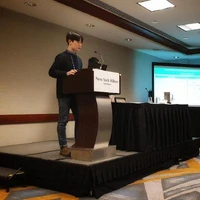
Large Language Models Meet Extreme Multi-label Classification: Scaling and Multi-modal Framework

Foundation models have revolutionized artificial intelligence across numerous domains, yet their transformative potential remains largely untapped in Extreme Multi-label Classification (XMC). Queries in XMC are associated with relevant labels from extremely large label spaces, where it is critical to strike a balance between efficiency and performance. Therefore, many recent approaches efficiently pose XMC as a maximum inner product search between embeddings learned from small encoder-only transformer architectures. In this paper, we address two important aspects in XMC: how to effectively harness larger decoder-only models, and how to exploit visual information while maintaining computational efficiency. We demonstrate that both play a critical role in XMC separately and can be combined for improved performance. We show that a few billion-size decoder can deliver substantial improvements while keeping computational overhead manageable. Furthermore, our Vision-enhanced eXtreme Multi-label Learning framework (ViXML) efficiently integrates foundation vision models by pooling a single embedding per image. This limits computational growth while unlocking multi-modal capabilities. Remarkably, ViXML with small encoders outperforms text-only decoder in most cases, showing that an image is worth billions of parameters. Finally, we present an extension of existing text-only datasets to exploit visual metadata and make them available for future benchmarking. Comprehensive experiments across four public text-only datasets and their corresponding image enhanced versions validate our proposals' effectiveness, surpassing previous state-of-the-art by up to +8.21\% in P@1 on the largest dataset. ViXML's code is available at https://github.com/DiegoOrtego/vixml.

nielseniq NielsenIQ
·
Nov 17 3

Multi-Modal Motion Retrieval by Learning a Fine-Grained Joint Embedding Space

Motion retrieval is crucial for motion acquisition, offering superior precision, realism, controllability, and editability compared to motion generation. Existing approaches leverage contrastive learning to construct a unified embedding space for motion retrieval from text or visual modality. However, these methods lack a more intuitive and user-friendly interaction mode and often overlook the sequential representation of most modalities for improved retrieval performance. To address these limitations, we propose a framework that aligns four modalities -- text, audio, video, and motion -- within a fine-grained joint embedding space, incorporating audio for the first time in motion retrieval to enhance user immersion and convenience. This fine-grained space is achieved through a sequence-level contrastive learning approach, which captures critical details across modalities for better alignment. To evaluate our framework, we augment existing text-motion datasets with synthetic but diverse audio recordings, creating two multi-modal motion retrieval datasets. Experimental results demonstrate superior performance over state-of-the-art methods across multiple sub-tasks, including an 10.16% improvement in R@10 for text-to-motion retrieval and a 25.43% improvement in R@1 for video-to-motion retrieval on the HumanML3D dataset. Furthermore, our results show that our 4-modal framework significantly outperforms its 3-modal counterpart, underscoring the potential of multi-modal motion retrieval for advancing motion acquisition.

  • 7 authors
·
Jul 30

Quantifying and Enhancing Multi-modal Robustness with Modality Preference

Multi-modal models have shown a promising capability to effectively integrate information from various sources, yet meanwhile, they are found vulnerable to pervasive perturbations, such as uni-modal attacks and missing conditions. To counter these perturbations, robust multi-modal representations are highly expected, which are positioned well away from the discriminative multi-modal decision boundary. In this paper, different from conventional empirical studies, we focus on a commonly used joint multi-modal framework and theoretically discover that larger uni-modal representation margins and more reliable integration for modalities are essential components for achieving higher robustness. This discovery can further explain the limitation of multi-modal robustness and the phenomenon that multi-modal models are often vulnerable to attacks on the specific modality. Moreover, our analysis reveals how the widespread issue, that the model has different preferences for modalities, limits the multi-modal robustness by influencing the essential components and could lead to attacks on the specific modality highly effective. Inspired by our theoretical finding, we introduce a training procedure called Certifiable Robust Multi-modal Training (CRMT), which can alleviate this influence from modality preference and explicitly regulate essential components to significantly improve robustness in a certifiable manner. Our method demonstrates substantial improvements in performance and robustness compared with existing methods. Furthermore, our training procedure can be easily extended to enhance other robust training strategies, highlighting its credibility and flexibility.

  • 4 authors
·
Feb 9, 2024

FakeShield: Explainable Image Forgery Detection and Localization via Multi-modal Large Language Models

The rapid development of generative AI is a double-edged sword, which not only facilitates content creation but also makes image manipulation easier and more difficult to detect. Although current image forgery detection and localization (IFDL) methods are generally effective, they tend to face two challenges: 1) black-box nature with unknown detection principle, 2) limited generalization across diverse tampering methods (e.g., Photoshop, DeepFake, AIGC-Editing). To address these issues, we propose the explainable IFDL task and design FakeShield, a multi-modal framework capable of evaluating image authenticity, generating tampered region masks, and providing a judgment basis based on pixel-level and image-level tampering clues. Additionally, we leverage GPT-4o to enhance existing IFDL datasets, creating the Multi-Modal Tamper Description dataSet (MMTD-Set) for training FakeShield's tampering analysis capabilities. Meanwhile, we incorporate a Domain Tag-guided Explainable Forgery Detection Module (DTE-FDM) and a Multi-modal Forgery Localization Module (MFLM) to address various types of tamper detection interpretation and achieve forgery localization guided by detailed textual descriptions. Extensive experiments demonstrate that FakeShield effectively detects and localizes various tampering techniques, offering an explainable and superior solution compared to previous IFDL methods.

  • 6 authors
·
Oct 3, 2024

Large Motion Model for Unified Multi-Modal Motion Generation

Human motion generation, a cornerstone technique in animation and video production, has widespread applications in various tasks like text-to-motion and music-to-dance. Previous works focus on developing specialist models tailored for each task without scalability. In this work, we present Large Motion Model (LMM), a motion-centric, multi-modal framework that unifies mainstream motion generation tasks into a generalist model. A unified motion model is appealing since it can leverage a wide range of motion data to achieve broad generalization beyond a single task. However, it is also challenging due to the heterogeneous nature of substantially different motion data and tasks. LMM tackles these challenges from three principled aspects: 1) Data: We consolidate datasets with different modalities, formats and tasks into a comprehensive yet unified motion generation dataset, MotionVerse, comprising 10 tasks, 16 datasets, a total of 320k sequences, and 100 million frames. 2) Architecture: We design an articulated attention mechanism ArtAttention that incorporates body part-aware modeling into Diffusion Transformer backbone. 3) Pre-Training: We propose a novel pre-training strategy for LMM, which employs variable frame rates and masking forms, to better exploit knowledge from diverse training data. Extensive experiments demonstrate that our generalist LMM achieves competitive performance across various standard motion generation tasks over state-of-the-art specialist models. Notably, LMM exhibits strong generalization capabilities and emerging properties across many unseen tasks. Additionally, our ablation studies reveal valuable insights about training and scaling up large motion models for future research.

  • 11 authors
·
Apr 1, 2024

CromSS: Cross-modal pre-training with noisy labels for remote sensing image segmentation

We explore the potential of large-scale noisily labeled data to enhance feature learning by pretraining semantic segmentation models within a multi-modal framework for geospatial applications. We propose a novel Cross-modal Sample Selection (CromSS) method, a weakly supervised pretraining strategy designed to improve feature representations through cross-modal consistency and noise mitigation techniques. Unlike conventional pretraining approaches, CromSS exploits massive amounts of noisy and easy-to-come-by labels for improved feature learning beneficial to semantic segmentation tasks. We investigate middle and late fusion strategies to optimize the multi-modal pretraining architecture design. We also introduce a cross-modal sample selection module to mitigate the adverse effects of label noise, which employs a cross-modal entangling strategy to refine the estimated confidence masks within each modality to guide the sampling process. Additionally, we introduce a spatial-temporal label smoothing technique to counteract overconfidence for enhanced robustness against noisy labels. To validate our approach, we assembled the multi-modal dataset, NoLDO-S12, which consists of a large-scale noisy label subset from Google's Dynamic World (DW) dataset for pretraining and two downstream subsets with high-quality labels from Google DW and OpenStreetMap (OSM) for transfer learning. Experimental results on two downstream tasks and the publicly available DFC2020 dataset demonstrate that when effectively utilized, the low-cost noisy labels can significantly enhance feature learning for segmentation tasks. All data, code, and pretrained weights will be made publicly available.

  • 4 authors
·
May 2, 2024

Video-LLaMA: An Instruction-tuned Audio-Visual Language Model for Video Understanding

We present Video-LLaMA, a multi-modal framework that empowers Large Language Models (LLMs) with the capability of understanding both visual and auditory content in the video. Video-LLaMA bootstraps cross-modal training from the frozen pre-trained visual \& audio encoders and the frozen LLMs. Unlike previous vision- LLMs that focus on static image comprehensions such as MiniGPT-4~zhu2023minigpt and LLaVA~liu2023visualit, Video-LLaMA tackles two challenges in video understanding: (1) capturing the temporal changes in visual scenes, (2) integrating audio-visual signals. For the first challenge, we propose Video Q-former to extend the pre-trained image encoder to a video encoder and introduce a video-to-text generation task to learn video-language correspondence. For the second challenge, we leverage ImageBind~girdhar2023imagebind as the pre-trained audio encoder which performs exceptionally well in aligning different modalities to a common embedding space. And then introduce an Audio Q-former to learn auditory query tokens. To align the output of both visual \& audio encoder with LLM's embedding space, we train Video-LLaMA on a large-scale vision caption dataset and a hign-quantity vision-instruction-tuning dataset. We found Video-LLaMA showcases the ability to perceive and comprehend video content, generating meaningful responses that are grounded in the visual and auditory information present in the videos. This highlights the potential of Video-LLaMA as a promising prototype for audio-visual AI assistants. Our code, pre-trained model, and demo are available at https://github.com/DAMO-NLP-SG/Video-LLaMA.

  • 3 authors
·
Jun 5, 2023 9

Quantized GAN for Complex Music Generation from Dance Videos

We present Dance2Music-GAN (D2M-GAN), a novel adversarial multi-modal framework that generates complex musical samples conditioned on dance videos. Our proposed framework takes dance video frames and human body motions as input, and learns to generate music samples that plausibly accompany the corresponding input. Unlike most existing conditional music generation works that generate specific types of mono-instrumental sounds using symbolic audio representations (e.g., MIDI), and that usually rely on pre-defined musical synthesizers, in this work we generate dance music in complex styles (e.g., pop, breaking, etc.) by employing a Vector Quantized (VQ) audio representation, and leverage both its generality and high abstraction capacity of its symbolic and continuous counterparts. By performing an extensive set of experiments on multiple datasets, and following a comprehensive evaluation protocol, we assess the generative qualities of our proposal against alternatives. The attained quantitative results, which measure the music consistency, beats correspondence, and music diversity, demonstrate the effectiveness of our proposed method. Last but not least, we curate a challenging dance-music dataset of in-the-wild TikTok videos, which we use to further demonstrate the efficacy of our approach in real-world applications -- and which we hope to serve as a starting point for relevant future research.

  • 7 authors
·
Apr 1, 2022

Locate Then Generate: Bridging Vision and Language with Bounding Box for Scene-Text VQA

In this paper, we propose a novel multi-modal framework for Scene Text Visual Question Answering (STVQA), which requires models to read scene text in images for question answering. Apart from text or visual objects, which could exist independently, scene text naturally links text and visual modalities together by conveying linguistic semantics while being a visual object in an image simultaneously. Different to conventional STVQA models which take the linguistic semantics and visual semantics in scene text as two separate features, in this paper, we propose a paradigm of "Locate Then Generate" (LTG), which explicitly unifies this two semantics with the spatial bounding box as a bridge connecting them. Specifically, at first, LTG locates the region in an image that may contain the answer words with an answer location module (ALM) consisting of a region proposal network and a language refinement network, both of which can transform to each other with one-to-one mapping via the scene text bounding box. Next, given the answer words selected by ALM, LTG generates a readable answer sequence with an answer generation module (AGM) based on a pre-trained language model. As a benefit of the explicit alignment of the visual and linguistic semantics, even without any scene text based pre-training tasks, LTG can boost the absolute accuracy by +6.06% and +6.92% on the TextVQA dataset and the ST-VQA dataset respectively, compared with a non-pre-training baseline. We further demonstrate that LTG effectively unifies visual and text modalities through the spatial bounding box connection, which is underappreciated in previous methods.

  • 7 authors
·
Apr 4, 2023

Meta Prompting for AGI Systems

This paper presents an in-depth exploration of Meta Prompting, a novel technique that revolutionizes the way large language models (LLMs), multi-modal foundation models, and AI systems approach problem-solving and data interpretation. Meta Prompting, rooted in type theory and category theory, prioritizes the structure and syntax of information, providing a unique framework that transcends traditional content-focused methods. We delve into the formal definitions of Meta Prompting, contrasting it with Few-Shot Prompting, and highlight its applicability and superiority in various AI applications. Key to this exploration is the expansion of Meta Prompting into the realm of complex reasoning. Here, we demonstrate how this technique adeptly breaks down intricate problems into manageable sub-problems, facilitating a step-by-step, detailed approach to problem-solving. This method proves especially advantageous in terms of token efficiency and offering a fair comparison in problem-solving scenarios, standing out against few-shot example approaches. Furthermore, the paper breaks new ground by extending Meta Prompting into multi-modal foundation model settings. This extension addresses the integration of diverse data types, such as images, audio, and video, within the structured framework of Meta Prompting, highlighting both the challenges and the vast potential of this approach in handling complex, multi-faceted data (The code is available at https://github.com/meta-prompting/meta-prompting).

  • 1 authors
·
Nov 19, 2023 1

MMKB-RAG: A Multi-Modal Knowledge-Based Retrieval-Augmented Generation Framework

Recent advancements in large language models (LLMs) and multi-modal LLMs have been remarkable. However, these models still rely solely on their parametric knowledge, which limits their ability to generate up-to-date information and increases the risk of producing erroneous content. Retrieval-Augmented Generation (RAG) partially mitigates these challenges by incorporating external data sources, yet the reliance on databases and retrieval systems can introduce irrelevant or inaccurate documents, ultimately undermining both performance and reasoning quality. In this paper, we propose Multi-Modal Knowledge-Based Retrieval-Augmented Generation (MMKB-RAG), a novel multi-modal RAG framework that leverages the inherent knowledge boundaries of models to dynamically generate semantic tags for the retrieval process. This strategy enables the joint filtering of retrieved documents, retaining only the most relevant and accurate references. Extensive experiments on knowledge-based visual question-answering tasks demonstrate the efficacy of our approach: on the E-VQA dataset, our method improves performance by +4.2% on the Single-Hop subset and +0.4% on the full dataset, while on the InfoSeek dataset, it achieves gains of +7.8% on the Unseen-Q subset, +8.2% on the Unseen-E subset, and +8.1% on the full dataset. These results highlight significant enhancements in both accuracy and robustness over the current state-of-the-art MLLM and RAG frameworks.

  • 8 authors
·
Apr 14

MM-TTS: Multi-modal Prompt based Style Transfer for Expressive Text-to-Speech Synthesis

The style transfer task in Text-to-Speech refers to the process of transferring style information into text content to generate corresponding speech with a specific style. However, most existing style transfer approaches are either based on fixed emotional labels or reference speech clips, which cannot achieve flexible style transfer. Recently, some methods have adopted text descriptions to guide style transfer. In this paper, we propose a more flexible multi-modal and style controllable TTS framework named MM-TTS. It can utilize any modality as the prompt in unified multi-modal prompt space, including reference speech, emotional facial images, and text descriptions, to control the style of the generated speech in a system. The challenges of modeling such a multi-modal style controllable TTS mainly lie in two aspects:1)aligning the multi-modal information into a unified style space to enable the input of arbitrary modality as the style prompt in a single system, and 2)efficiently transferring the unified style representation into the given text content, thereby empowering the ability to generate prompt style-related voice. To address these problems, we propose an aligned multi-modal prompt encoder that embeds different modalities into a unified style space, supporting style transfer for different modalities. Additionally, we present a new adaptive style transfer method named Style Adaptive Convolutions to achieve a better style representation. Furthermore, we design a Rectified Flow based Refiner to solve the problem of over-smoothing Mel-spectrogram and generate audio of higher fidelity. Since there is no public dataset for multi-modal TTS, we construct a dataset named MEAD-TTS, which is related to the field of expressive talking head. Our experiments on the MEAD-TTS dataset and out-of-domain datasets demonstrate that MM-TTS can achieve satisfactory results based on multi-modal prompts.

  • 9 authors
·
Dec 17, 2023

M3DocRAG: Multi-modal Retrieval is What You Need for Multi-page Multi-document Understanding

Document visual question answering (DocVQA) pipelines that answer questions from documents have broad applications. Existing methods focus on handling single-page documents with multi-modal language models (MLMs), or rely on text-based retrieval-augmented generation (RAG) that uses text extraction tools such as optical character recognition (OCR). However, there are difficulties in applying these methods in real-world scenarios: (a) questions often require information across different pages or documents, where MLMs cannot handle many long documents; (b) documents often have important information in visual elements such as figures, but text extraction tools ignore them. We introduce M3DocRAG, a novel multi-modal RAG framework that flexibly accommodates various document contexts (closed-domain and open-domain), question hops (single-hop and multi-hop), and evidence modalities (text, chart, figure, etc.). M3DocRAG finds relevant documents and answers questions using a multi-modal retriever and an MLM, so that it can efficiently handle single or many documents while preserving visual information. Since previous DocVQA datasets ask questions in the context of a specific document, we also present M3DocVQA, a new benchmark for evaluating open-domain DocVQA over 3,000+ PDF documents with 40,000+ pages. In three benchmarks (M3DocVQA/MMLongBench-Doc/MP-DocVQA), empirical results show that M3DocRAG with ColPali and Qwen2-VL 7B achieves superior performance than many strong baselines, including state-of-the-art performance in MP-DocVQA. We provide comprehensive analyses of different indexing, MLMs, and retrieval models. Lastly, we qualitatively show that M3DocRAG can successfully handle various scenarios, such as when relevant information exists across multiple pages and when answer evidence only exists in images.

  • 5 authors
·
Nov 7, 2024 4

DeepAudio-V1:Towards Multi-Modal Multi-Stage End-to-End Video to Speech and Audio Generation

Currently, high-quality, synchronized audio is synthesized using various multi-modal joint learning frameworks, leveraging video and optional text inputs. In the video-to-audio benchmarks, video-to-audio quality, semantic alignment, and audio-visual synchronization are effectively achieved. However, in real-world scenarios, speech and audio often coexist in videos simultaneously, and the end-to-end generation of synchronous speech and audio given video and text conditions are not well studied. Therefore, we propose an end-to-end multi-modal generation framework that simultaneously produces speech and audio based on video and text conditions. Furthermore, the advantages of video-to-audio (V2A) models for generating speech from videos remain unclear. The proposed framework, DeepAudio, consists of a video-to-audio (V2A) module, a text-to-speech (TTS) module, and a dynamic mixture of modality fusion (MoF) module. In the evaluation, the proposed end-to-end framework achieves state-of-the-art performance on the video-audio benchmark, video-speech benchmark, and text-speech benchmark. In detail, our framework achieves comparable results in the comparison with state-of-the-art models for the video-audio and text-speech benchmarks, and surpassing state-of-the-art models in the video-speech benchmark, with WER 16.57% to 3.15% (+80.99%), SPK-SIM 78.30% to 89.38% (+14.15%), EMO-SIM 66.24% to 75.56% (+14.07%), MCD 8.59 to 7.98 (+7.10%), MCD SL 11.05 to 9.40 (+14.93%) across a variety of dubbing settings.

  • 6 authors
·
Mar 28

Unlock the Power: Competitive Distillation for Multi-Modal Large Language Models

Recently, multi-modal content generation has attracted lots of attention from researchers by investigating the utilization of visual instruction tuning based on large language models (LLMs). To enhance the performance and generalization ability of such LLMs, the practice of distilling knowledge from pretrained multi-modal models (a.k.a. teachers) to more compact multi-modal LLMs (students) has gained considerable interest. However, the prevailing paradigm of instructiontuning in multi-modal LLMs knowledge distillation is resource-intensive and unidirectional, neglecting the potential for mutual feedback between the student and teacher models. Thus, we propose an innovative Competitive Multi-modal Distillation framework (CoMD), which captures bidirectional feedback between teacher and student models and continually updates the multi-modal capabilities that the student model has learned. It comprises two stages: multi-modal pre-training and multi-modal competitive distillation. The first stage pre-trains the student model on a large number of filtered multi-modal datasets. The second stage facilitates a bidirectional knowledge transfer between the student and teacher models. Our experimental analysis of diverse datasets shows that our knowledge transfer method consistently improves the capabilities of the student model. Finally, the 7B-sized student model after four distillations surpassed the current state-of-the-art model LLaVA-13B on the ScienceQA and LLaVA Test dataset, also outperforms other strong baselines in the zero-shot setting.

  • 4 authors
·
Nov 14, 2023

Multi-view Video-Pose Pretraining for Operating Room Surgical Activity Recognition

Understanding the workflow of surgical procedures in complex operating rooms requires a deep understanding of the interactions between clinicians and their environment. Surgical activity recognition (SAR) is a key computer vision task that detects activities or phases from multi-view camera recordings. Existing SAR models often fail to account for fine-grained clinician movements and multi-view knowledge, or they require calibrated multi-view camera setups and advanced point-cloud processing to obtain better results. In this work, we propose a novel calibration-free multi-view multi-modal pretraining framework called Multiview Pretraining for Video-Pose Surgical Activity Recognition PreViPS, which aligns 2D pose and vision embeddings across camera views. Our model follows CLIP-style dual-encoder architecture: one encoder processes visual features, while the other encodes human pose embeddings. To handle the continuous 2D human pose coordinates, we introduce a tokenized discrete representation to convert the continuous 2D pose coordinates into discrete pose embeddings, thereby enabling efficient integration within the dual-encoder framework. To bridge the gap between these two modalities, we propose several pretraining objectives using cross- and in-modality geometric constraints within the embedding space and incorporating masked pose token prediction strategy to enhance representation learning. Extensive experiments and ablation studies demonstrate improvements over the strong baselines, while data-efficiency experiments on two distinct operating room datasets further highlight the effectiveness of our approach. We highlight the benefits of our approach for surgical activity recognition in both multi-view and single-view settings, showcasing its practical applicability in complex surgical environments. Code will be made available at: https://github.com/CAMMA-public/PreViPS.

  • 6 authors
·
Feb 19

Enhance Generation Quality of Flow Matching V2A Model via Multi-Step CoT-Like Guidance and Combined Preference Optimization

Creating high-quality sound effects from videos and text prompts requires precise alignment between visual and audio domains, both semantically and temporally, along with step-by-step guidance for professional audio generation. However, current state-of-the-art video-guided audio generation models often fall short of producing high-quality audio for both general and specialized use cases. To address this challenge, we introduce a multi-stage, multi-modal, end-to-end generative framework with Chain-of-Thought-like (CoT-like) guidance learning, termed Chain-of-Perform (CoP). First, we employ a transformer-based network architecture designed to achieve CoP guidance, enabling the generation of both general and professional audio. Second, we implement a multi-stage training framework that follows step-by-step guidance to ensure the generation of high-quality sound effects. Third, we develop a CoP multi-modal dataset, guided by video, to support step-by-step sound effects generation. Evaluation results highlight the advantages of the proposed multi-stage CoP generative framework compared to the state-of-the-art models on a variety of datasets, with FAD 0.79 to 0.74 (+6.33%), CLIP 16.12 to 17.70 (+9.80%) on VGGSound, SI-SDR 1.98dB to 3.35dB (+69.19%), MOS 2.94 to 3.49(+18.71%) on PianoYT-2h, and SI-SDR 2.22dB to 3.21dB (+44.59%), MOS 3.07 to 3.42 (+11.40%) on Piano-10h.

  • 7 authors
·
Mar 28

DeepInteraction++: Multi-Modality Interaction for Autonomous Driving

Existing top-performance autonomous driving systems typically rely on the multi-modal fusion strategy for reliable scene understanding. This design is however fundamentally restricted due to overlooking the modality-specific strengths and finally hampering the model performance. To address this limitation, in this work, we introduce a novel modality interaction strategy that allows individual per-modality representations to be learned and maintained throughout, enabling their unique characteristics to be exploited during the whole perception pipeline. To demonstrate the effectiveness of the proposed strategy, we design DeepInteraction++, a multi-modal interaction framework characterized by a multi-modal representational interaction encoder and a multi-modal predictive interaction decoder. Specifically, the encoder is implemented as a dual-stream Transformer with specialized attention operation for information exchange and integration between separate modality-specific representations. Our multi-modal representational learning incorporates both object-centric, precise sampling-based feature alignment and global dense information spreading, essential for the more challenging planning task. The decoder is designed to iteratively refine the predictions by alternately aggregating information from separate representations in a unified modality-agnostic manner, realizing multi-modal predictive interaction. Extensive experiments demonstrate the superior performance of the proposed framework on both 3D object detection and end-to-end autonomous driving tasks. Our code is available at https://github.com/fudan-zvg/DeepInteraction.

  • 6 authors
·
Aug 9, 2024 1

Towards Holistic Visual Quality Assessment of AI-Generated Videos: A LLM-Based Multi-Dimensional Evaluation Model

The development of AI-Generated Video (AIGV) technology has been remarkable in recent years, significantly transforming the paradigm of video content production. However, AIGVs still suffer from noticeable visual quality defects, such as noise, blurriness, frame jitter and low dynamic degree, which severely impact the user's viewing experience. Therefore, an effective automatic visual quality assessment is of great importance for AIGV content regulation and generative model improvement. In this work, we decompose the visual quality of AIGVs into three dimensions: technical quality, motion quality, and video semantics. For each dimension, we design corresponding encoder to achieve effective feature representation. Moreover, considering the outstanding performance of large language models (LLMs) in various vision and language tasks, we introduce a LLM as the quality regression module. To better enable the LLM to establish reasoning associations between multi-dimensional features and visual quality, we propose a specially designed multi-modal prompt engineering framework. Additionally, we incorporate LoRA fine-tuning technology during the training phase, allowing the LLM to better adapt to specific tasks. Our proposed method achieved second place in the NTIRE 2025 Quality Assessment of AI-Generated Content Challenge: Track 2 AI Generated video, demonstrating its effectiveness. Codes can be obtained at https://github.com/QiZelu/AIGVEval.

  • 7 authors
·
Jun 5

MMEdge: Accelerating On-device Multimodal Inference via Pipelined Sensing and Encoding

Real-time multimodal inference on resource-constrained edge devices is essential for applications such as autonomous driving, human-computer interaction, and mobile health. However, prior work often overlooks the tight coupling between sensing dynamics and model execution, as well as the complex inter-modality dependencies. In this paper, we propose MMEdge, an new on-device multi-modal inference framework based on pipelined sensing and encoding. Instead of waiting for complete sensor inputs, MMEdge decomposes the entire inference process into a sequence of fine-grained sensing and encoding units, allowing computation to proceed incrementally as data arrive. MMEdge also introduces a lightweight but effective temporal aggregation module that captures rich temporal dynamics across different pipelined units to maintain accuracy performance. Such pipelined design also opens up opportunities for fine-grained cross-modal optimization and early decision-making during inference. To further enhance system performance under resource variability and input data complexity, MMEdge incorporates an adaptive multimodal configuration optimizer that dynamically selects optimal sensing and model configurations for each modality under latency constraints, and a cross-modal speculative skipping mechanism that bypasses future units of slower modalities when early predictions reach sufficient confidence. We evaluate MMEdge using two public multimodal datasets and deploy it on a real-world unmanned aerial vehicle (UAV)-based multimodal testbed. The results show that MMEdge significantly reduces end-to-end latency while maintaining high task accuracy across various system and data dynamics.

  • 4 authors
·
Oct 29 1

Tell What You Hear From What You See -- Video to Audio Generation Through Text

The content of visual and audio scenes is multi-faceted such that a video can be paired with various audio and vice-versa. Thereby, in video-to-audio generation task, it is imperative to introduce steering approaches for controlling the generated audio. While Video-to-Audio generation is a well-established generative task, existing methods lack such controllability. In this work, we propose VATT, a multi-modal generative framework that takes a video and an optional text prompt as input, and generates audio and optional textual description of the audio. Such a framework has two advantages: i) Video-to-Audio generation process can be refined and controlled via text which complements the context of visual information, and ii) The model can suggest what audio to generate for the video by generating audio captions. VATT consists of two key modules: VATT Converter, a LLM that is fine-tuned for instructions and includes a projection layer that maps video features to the LLM vector space; and VATT Audio, a transformer that generates audio tokens from visual frames and from optional text prompt using iterative parallel decoding. The audio tokens are converted to a waveform by pretrained neural codec. Experiments show that when VATT is compared to existing video-to-audio generation methods in objective metrics, it achieves competitive performance when the audio caption is not provided. When the audio caption is provided as a prompt, VATT achieves even more refined performance (lowest KLD score of 1.41). Furthermore, subjective studies show that VATT Audio has been chosen as preferred generated audio than audio generated by existing methods. VATT enables controllable video-to-audio generation through text as well as suggesting text prompts for videos through audio captions, unlocking novel applications such as text-guided video-to-audio generation and video-to-audio captioning.

  • 3 authors
·
Nov 8, 2024

LongVie: Multimodal-Guided Controllable Ultra-Long Video Generation

Controllable ultra-long video generation is a fundamental yet challenging task. Although existing methods are effective for short clips, they struggle to scale due to issues such as temporal inconsistency and visual degradation. In this paper, we initially investigate and identify three key factors: separate noise initialization, independent control signal normalization, and the limitations of single-modality guidance. To address these issues, we propose LongVie, an end-to-end autoregressive framework for controllable long video generation. LongVie introduces two core designs to ensure temporal consistency: 1) a unified noise initialization strategy that maintains consistent generation across clips, and 2) global control signal normalization that enforces alignment in the control space throughout the entire video. To mitigate visual degradation, LongVie employs 3) a multi-modal control framework that integrates both dense (e.g., depth maps) and sparse (e.g., keypoints) control signals, complemented by 4) a degradation-aware training strategy that adaptively balances modality contributions over time to preserve visual quality. We also introduce LongVGenBench, a comprehensive benchmark consisting of 100 high-resolution videos spanning diverse real-world and synthetic environments, each lasting over one minute. Extensive experiments show that LongVie achieves state-of-the-art performance in long-range controllability, consistency, and quality.

  • 8 authors
·
Aug 5 3

Label Dependent Attention Model for Disease Risk Prediction Using Multimodal Electronic Health Records

Disease risk prediction has attracted increasing attention in the field of modern healthcare, especially with the latest advances in artificial intelligence (AI). Electronic health records (EHRs), which contain heterogeneous patient information, are widely used in disease risk prediction tasks. One challenge of applying AI models for risk prediction lies in generating interpretable evidence to support the prediction results while retaining the prediction ability. In order to address this problem, we propose the method of jointly embedding words and labels whereby attention modules learn the weights of words from medical notes according to their relevance to the names of risk prediction labels. This approach boosts interpretability by employing an attention mechanism and including the names of prediction tasks in the model. However, its application is only limited to the handling of textual inputs such as medical notes. In this paper, we propose a label dependent attention model LDAM to 1) improve the interpretability by exploiting Clinical-BERT (a biomedical language model pre-trained on a large clinical corpus) to encode biomedically meaningful features and labels jointly; 2) extend the idea of joint embedding to the processing of time-series data, and develop a multi-modal learning framework for integrating heterogeneous information from medical notes and time-series health status indicators. To demonstrate our method, we apply LDAM to the MIMIC-III dataset to predict different disease risks. We evaluate our method both quantitatively and qualitatively. Specifically, the predictive power of LDAM will be shown, and case studies will be carried out to illustrate its interpretability.

  • 5 authors
·
Jan 18, 2022

RegionBLIP: A Unified Multi-modal Pre-training Framework for Holistic and Regional Comprehension

In this work, we investigate extending the comprehension of Multi-modal Large Language Models (MLLMs) to regional objects. To this end, we propose to extract features corresponding to regional objects as soft prompts for LLM, which provides a straightforward and scalable approach and eliminates the need for LLM fine-tuning. To effectively extract regional features from regular image features and irregular point cloud features, we present a novel and unified position-assisted feature extraction module. Furthermore, training an MLLM from scratch is highly time-consuming. Thus, we propose incrementally extending existing pre-trained MLLMs to comprehend more modalities and the regional objects of those modalities. Specifically, we freeze the Q-Former from BLIP-2, an impressive MLLM, and optimize the modality-specific Lora parameters in Q-Former and LLM for each newly introduced modality. The freezing of the Q-Former eliminates the need for extensive pre-training on massive image-text data. The freezed Q-Former pre-trained from massive image-text data is also beneficial for the pre-training on image-region-text data. We name our framework RegionBLIP. We pre-train RegionBLIP on image-region-text, point-cloud-text, and point-cloud-region-text data. Experimental results verify that can preserve the image comprehension capability of BILP-2 and further gain a comprehension of the newly introduced point cloud modality and regional objects. The Data, Code, and Pre-trained models will be available at https://github.com/mightyzau/RegionBLIP.

  • 6 authors
·
Aug 3, 2023

MDocAgent: A Multi-Modal Multi-Agent Framework for Document Understanding

Document Question Answering (DocQA) is a very common task. Existing methods using Large Language Models (LLMs) or Large Vision Language Models (LVLMs) and Retrieval Augmented Generation (RAG) often prioritize information from a single modal, failing to effectively integrate textual and visual cues. These approaches struggle with complex multi-modal reasoning, limiting their performance on real-world documents. We present MDocAgent (A Multi-Modal Multi-Agent Framework for Document Understanding), a novel RAG and multi-agent framework that leverages both text and image. Our system employs five specialized agents: a general agent, a critical agent, a text agent, an image agent and a summarizing agent. These agents engage in multi-modal context retrieval, combining their individual insights to achieve a more comprehensive understanding of the document's content. This collaborative approach enables the system to synthesize information from both textual and visual components, leading to improved accuracy in question answering. Preliminary experiments on five benchmarks like MMLongBench, LongDocURL demonstrate the effectiveness of our MDocAgent, achieve an average improvement of 12.1% compared to current state-of-the-art method. This work contributes to the development of more robust and comprehensive DocQA systems capable of handling the complexities of real-world documents containing rich textual and visual information. Our data and code are available at https://github.com/aiming-lab/MDocAgent.

  • 7 authors
·
Mar 18 2

Multi-modal Co-learning for Earth Observation: Enhancing single-modality models via modality collaboration

Multi-modal co-learning is emerging as an effective paradigm in machine learning, enabling models to collaboratively learn from different modalities to enhance single-modality predictions. Earth Observation (EO) represents a quintessential domain for multi-modal data analysis, wherein diverse remote sensors collect data to sense our planet. This unprecedented volume of data introduces novel challenges. Specifically, the access to the same sensor modalities at both training and inference stages becomes increasingly complex based on real-world constraints affecting remote sensing platforms. In this context, multi-modal co-learning presents a promising strategy to leverage the vast amount of sensor-derived data available at the training stage to improve single-modality models for inference-time deployment. Most current research efforts focus on designing customized solutions for either particular downstream tasks or specific modalities available at the inference stage. To address this, we propose a novel multi-modal co-learning framework capable of generalizing across various tasks without targeting a specific modality for inference. Our approach combines contrastive and modality discriminative learning together to guide single-modality models to structure the internal model manifold into modality-shared and modality-specific information. We evaluate our framework on four EO benchmarks spanning classification and regression tasks across different sensor modalities, where only one of the modalities available during training is accessible at inference time. Our results demonstrate consistent predictive improvements over state-of-the-art approaches from the recent machine learning and computer vision literature, as well as EO-specific methods. The obtained findings validate our framework in the single-modality inference scenarios across a diverse range of EO applications.


  • 5 authors
·
Oct 22 1

MetaOcc: Surround-View 4D Radar and Camera Fusion Framework for 3D Occupancy Prediction with Dual Training Strategies

3D occupancy prediction is crucial for autonomous driving perception. Fusion of 4D radar and camera provides a potential solution of robust occupancy prediction on serve weather with least cost. How to achieve effective multi-modal feature fusion and reduce annotation costs remains significant challenges. In this work, we propose MetaOcc, a novel multi-modal occupancy prediction framework that fuses surround-view cameras and 4D radar for comprehensive environmental perception. We first design a height self-attention module for effective 3D feature extraction from sparse radar points. Then, a local-global fusion mechanism is proposed to adaptively capture modality contributions while handling spatio-temporal misalignments. Temporal alignment and fusion module is employed to further aggregate historical feature. Furthermore, we develop a semi-supervised training procedure leveraging open-set segmentor and geometric constraints for pseudo-label generation, enabling robust perception with limited annotations. Extensive experiments on OmniHD-Scenes dataset demonstrate that MetaOcc achieves state-of-the-art performance, surpassing previous methods by significant margins. Notably, as the first semi-supervised 4D radar and camera fusion-based occupancy prediction approach, MetaOcc maintains 92.5% of the fully-supervised performance while using only 50% of ground truth annotations, establishing a new benchmark for multi-modal 3D occupancy prediction. Code and data are available at https://github.com/LucasYang567/MetaOcc.

  • 10 authors
·
Jan 25

PlantTraitNet: An Uncertainty-Aware Multimodal Framework for Global-Scale Plant Trait Inference from Citizen Science Data

Global plant maps of plant traits, such as leaf nitrogen or plant height, are essential for understanding ecosystem processes, including the carbon and energy cycles of the Earth system. However, existing trait maps remain limited by the high cost and sparse geographic coverage of field-based measurements. Citizen science initiatives offer a largely untapped resource to overcome these limitations, with over 50 million geotagged plant photographs worldwide capturing valuable visual information on plant morphology and physiology. In this study, we introduce PlantTraitNet, a multi-modal, multi-task uncertainty-aware deep learning framework that predictsfour key plant traits (plant height, leaf area, specific leaf area, and nitrogen content) from citizen science photos using weak supervision. By aggregating individual trait predictions across space, we generate global maps of trait distributions. We validate these maps against independent vegetation survey data (sPlotOpen) and benchmark them against leading global trait products. Our results show that PlantTraitNet consistently outperforms existing trait maps across all evaluated traits, demonstrating that citizen science imagery, when integrated with computer vision and geospatial AI, enables not only scalable but also more accurate global trait mapping. This approach offers a powerful new pathway for ecological research and Earth system modeling.

  • 17 authors
·
Nov 10

Continual Vision-Language Representation Learning with Off-Diagonal Information

Large-scale multi-modal contrastive learning frameworks like CLIP typically require a large amount of image-text samples for training. However, these samples are always collected continuously in real scenarios. This paper discusses the feasibility of continual CLIP training using streaming data. Unlike continual learning based on self-supervised learning methods for pure images, which is empirically robust against catastrophic forgetting, CLIP's performance degeneration in the continual setting is significant and non-neglectable. By analyzing the changes in the model's representation space during continual CLIP training from a spatial geometry perspective, we explore and summarize these spatial variations as Spatial Disorder (SD), which can be divided into Intra-modal Rotation and Inter-modal Deviation. Moreover, we empirically and theoretically demonstrate how SD leads to a performance decline for CLIP on cross-modal retrieval tasks. To alleviate SD, we propose a new continual vision-language representation learning framework Mod-X: Maintain off-diagonal information-matriX. By selectively aligning the off-diagonal information distribution of contrastive matrices, the Mod-X improves the capability of the multi-modal model by maintaining the multi-modal representation space alignment on the old data domain during continuously fitting the new training data domain. Experiments on commonly used datasets with different scales and scopes have demonstrated the effectiveness of our method.

  • 5 authors
·
May 11, 2023

HunyuanCustom: A Multimodal-Driven Architecture for Customized Video Generation

Customized video generation aims to produce videos featuring specific subjects under flexible user-defined conditions, yet existing methods often struggle with identity consistency and limited input modalities. In this paper, we propose HunyuanCustom, a multi-modal customized video generation framework that emphasizes subject consistency while supporting image, audio, video, and text conditions. Built upon HunyuanVideo, our model first addresses the image-text conditioned generation task by introducing a text-image fusion module based on LLaVA for enhanced multi-modal understanding, along with an image ID enhancement module that leverages temporal concatenation to reinforce identity features across frames. To enable audio- and video-conditioned generation, we further propose modality-specific condition injection mechanisms: an AudioNet module that achieves hierarchical alignment via spatial cross-attention, and a video-driven injection module that integrates latent-compressed conditional video through a patchify-based feature-alignment network. Extensive experiments on single- and multi-subject scenarios demonstrate that HunyuanCustom significantly outperforms state-of-the-art open- and closed-source methods in terms of ID consistency, realism, and text-video alignment. Moreover, we validate its robustness across downstream tasks, including audio and video-driven customized video generation. Our results highlight the effectiveness of multi-modal conditioning and identity-preserving strategies in advancing controllable video generation. All the code and models are available at https://hunyuancustom.github.io.

OpenShape: Scaling Up 3D Shape Representation Towards Open-World Understanding

We introduce OpenShape, a method for learning multi-modal joint representations of text, image, and point clouds. We adopt the commonly used multi-modal contrastive learning framework for representation alignment, but with a specific focus on scaling up 3D representations to enable open-world 3D shape understanding. To achieve this, we scale up training data by ensembling multiple 3D datasets and propose several strategies to automatically filter and enrich noisy text descriptions. We also explore and compare strategies for scaling 3D backbone networks and introduce a novel hard negative mining module for more efficient training. We evaluate OpenShape on zero-shot 3D classification benchmarks and demonstrate its superior capabilities for open-world recognition. Specifically, OpenShape achieves a zero-shot accuracy of 46.8% on the 1,156-category Objaverse-LVIS benchmark, compared to less than 10% for existing methods. OpenShape also achieves an accuracy of 85.3% on ModelNet40, outperforming previous zero-shot baseline methods by 20% and performing on par with some fully-supervised methods. Furthermore, we show that our learned embeddings encode a wide range of visual and semantic concepts (e.g., subcategories, color, shape, style) and facilitate fine-grained text-3D and image-3D interactions. Due to their alignment with CLIP embeddings, our learned shape representations can also be integrated with off-the-shelf CLIP-based models for various applications, such as point cloud captioning and point cloud-conditioned image generation.

  • 9 authors
·
May 18, 2023 4

OCTCube-M: A 3D multimodal optical coherence tomography foundation model for retinal and systemic diseases with cross-cohort and cross-device validation

We present OCTCube-M, a 3D OCT-based multi-modal foundation model for jointly analyzing OCT and en face images. OCTCube-M first developed OCTCube, a 3D foundation model pre-trained on 26,685 3D OCT volumes encompassing 1.62 million 2D OCT images. It then exploits a novel multi-modal contrastive learning framework COEP to integrate other retinal imaging modalities, such as fundus autofluorescence and infrared retinal imaging, into OCTCube, efficiently extending it into multi-modal foundation models. OCTCube achieves best performance on predicting 8 retinal diseases, demonstrating strong generalizability on cross-cohort, cross-device and cross-modality prediction. OCTCube can also predict cross-organ nodule malignancy (CT) and low cardiac ejection fraction as well as systemic diseases, such as diabetes and hypertension, revealing its wide applicability beyond retinal diseases. We further develop OCTCube-IR using COEP with 26,685 OCT and IR image pairs. OCTCube-IR can accurately retrieve between OCT and IR images, allowing joint analysis between 3D and 2D retinal imaging modalities. Finally, we trained a tri-modal foundation model OCTCube-EF from 4 million 2D OCT images and 400K en face retinal images. OCTCube-EF attains the best performance on predicting the growth rate of geographic atrophy (GA) across datasets collected from 6 multi-center global trials conducted in 23 countries. This improvement is statistically equivalent to running a clinical trial with more than double the size of the original study. Our analysis based on another retrospective case study reveals OCTCube-EF's ability to avoid false positive Phase-III results according to its accurate treatment effect estimation on the Phase-II results. In sum, OCTCube-M is a 3D multi-modal foundation model framework that integrates OCT and other retinal imaging modalities revealing substantial diagnostic and prognostic benefits.

  • 12 authors
·
Aug 20, 2024

Adapting Vehicle Detectors for Aerial Imagery to Unseen Domains with Weak Supervision

Detecting vehicles in aerial imagery is a critical task with applications in traffic monitoring, urban planning, and defense intelligence. Deep learning methods have provided state-of-the-art (SOTA) results for this application. However, a significant challenge arises when models trained on data from one geographic region fail to generalize effectively to other areas. Variability in factors such as environmental conditions, urban layouts, road networks, vehicle types, and image acquisition parameters (e.g., resolution, lighting, and angle) leads to domain shifts that degrade model performance. This paper proposes a novel method that uses generative AI to synthesize high-quality aerial images and their labels, improving detector training through data augmentation. Our key contribution is the development of a multi-stage, multi-modal knowledge transfer framework utilizing fine-tuned latent diffusion models (LDMs) to mitigate the distribution gap between the source and target environments. Extensive experiments across diverse aerial imagery domains show consistent performance improvements in AP50 over supervised learning on source domain data, weakly supervised adaptation methods, unsupervised domain adaptation methods, and open-set object detectors by 4-23%, 6-10%, 7-40%, and more than 50%, respectively. Furthermore, we introduce two newly annotated aerial datasets from New Zealand and Utah to support further research in this field. Project page is available at: https://humansensinglab.github.io/AGenDA

  • 8 authors
·
Jul 28 3

Taming Modality Entanglement in Continual Audio-Visual Segmentation

Recently, significant progress has been made in multi-modal continual learning, aiming to learn new tasks sequentially in multi-modal settings while preserving performance on previously learned ones. However, existing methods mainly focus on coarse-grained tasks, with limitations in addressing modality entanglement in fine-grained continual learning settings. To bridge this gap, we introduce a novel Continual Audio-Visual Segmentation (CAVS) task, aiming to continuously segment new classes guided by audio. Through comprehensive analysis, two critical challenges are identified: 1) multi-modal semantic drift, where a sounding objects is labeled as background in sequential tasks; 2) co-occurrence confusion, where frequent co-occurring classes tend to be confused. In this work, a Collision-based Multi-modal Rehearsal (CMR) framework is designed to address these challenges. Specifically, for multi-modal semantic drift, a Multi-modal Sample Selection (MSS) strategy is proposed to select samples with high modal consistency for rehearsal. Meanwhile, for co-occurence confusion, a Collision-based Sample Rehearsal (CSR) mechanism is designed, allowing for the increase of rehearsal sample frequency of those confusable classes during training process. Moreover, we construct three audio-visual incremental scenarios to verify effectiveness of our method. Comprehensive experiments demonstrate that our method significantly outperforms single-modal continual learning methods.

  • 8 authors
·
Oct 20 1

MSM-Seg: A Modality-and-Slice Memory Framework with Category-Agnostic Prompting for Multi-Modal Brain Tumor Segmentation

Multi-modal brain tumor segmentation is critical for clinical diagnosis, and it requires accurate identification of distinct internal anatomical subregions. While the recent prompt-based segmentation paradigms enable interactive experiences for clinicians, existing methods ignore cross-modal correlations and rely on labor-intensive category-specific prompts, limiting their applicability in real-world scenarios. To address these issues, we propose a MSM-Seg framework for multi-modal brain tumor segmentation. The MSM-Seg introduces a novel dual-memory segmentation paradigm that synergistically integrates multi-modal and inter-slice information with the efficient category-agnostic prompt for brain tumor understanding. To this end, we first devise a modality-and-slice memory attention (MSMA) to exploit the cross-modal and inter-slice relationships among the input scans. Then, we propose a multi-scale category-agnostic prompt encoder (MCP-Encoder) to provide tumor region guidance for decoding. Moreover, we devise a modality-adaptive fusion decoder (MF-Decoder) that leverages the complementary decoding information across different modalities to improve segmentation accuracy. Extensive experiments on different MRI datasets demonstrate that our MSM-Seg framework outperforms state-of-the-art methods in multi-modal metastases and glioma tumor segmentation. The code is available at https://github.com/xq141839/MSM-Seg.

  • 6 authors
·
Oct 12

SimVG: A Simple Framework for Visual Grounding with Decoupled Multi-modal Fusion

Visual grounding is a common vision task that involves grounding descriptive sentences to the corresponding regions of an image. Most existing methods use independent image-text encoding and apply complex hand-crafted modules or encoder-decoder architectures for modal interaction and query reasoning. However, their performance significantly drops when dealing with complex textual expressions. This is because the former paradigm only utilizes limited downstream data to fit the multi-modal feature fusion. Therefore, it is only effective when the textual expressions are relatively simple. In contrast, given the wide diversity of textual expressions and the uniqueness of downstream training data, the existing fusion module, which extracts multimodal content from a visual-linguistic context, has not been fully investigated. In this paper, we present a simple yet robust transformer-based framework, SimVG, for visual grounding. Specifically, we decouple visual-linguistic feature fusion from downstream tasks by leveraging existing multimodal pre-trained models and incorporating additional object tokens to facilitate deep integration of downstream and pre-training tasks. Furthermore, we design a dynamic weight-balance distillation method in the multi-branch synchronous learning process to enhance the representation capability of the simpler branch. This branch only consists of a lightweight MLP, which simplifies the structure and improves reasoning speed. Experiments on six widely used VG datasets, i.e., RefCOCO/+/g, ReferIt, Flickr30K, and GRefCOCO, demonstrate the superiority of SimVG. Finally, the proposed method not only achieves improvements in efficiency and convergence speed but also attains new state-of-the-art performance on these benchmarks. Codes and models will be available at https://github.com/Dmmm1997/SimVG.

  • 5 authors
·
Sep 26, 2024

VeritasFi: An Adaptable, Multi-tiered RAG Framework for Multi-modal Financial Question Answering

Retrieval-Augmented Generation (RAG) is becoming increasingly essential for Question Answering (QA) in the financial sector, where accurate and contextually grounded insights from complex public disclosures are crucial. However, existing financial RAG systems face two significant challenges: (1) they struggle to process heterogeneous data formats, such as text, tables, and figures; and (2) they encounter difficulties in balancing general-domain applicability with company-specific adaptation. To overcome these challenges, we present VeritasFi, an innovative hybrid RAG framework that incorporates a multi-modal preprocessing pipeline alongside a cutting-edge two-stage training strategy for its re-ranking component. VeritasFi enhances financial QA through three key innovations: (1) A multi-modal preprocessing pipeline that seamlessly transforms heterogeneous data into a coherent, machine-readable format. (2) A tripartite hybrid retrieval engine that operates in parallel, combining deep multi-path retrieval over a semantically indexed document corpus, real-time data acquisition through tool utilization, and an expert-curated memory bank for high-frequency questions, ensuring comprehensive scope, accuracy, and efficiency. (3) A two-stage training strategy for the document re-ranker, which initially constructs a general, domain-specific model using anonymized data, followed by rapid fine-tuning on company-specific data for targeted applications. By integrating our proposed designs, VeritasFi presents a groundbreaking framework that greatly enhances the adaptability and robustness of financial RAG systems, providing a scalable solution for both general-domain and company-specific QA tasks. Code accompanying this work is available at https://github.com/simplew4y/VeritasFi.git.

  • 27 authors
·
Oct 12

Multi-Modal Interpretability for Enhanced Localization in Vision-Language Models

Recent advances in vision-language models have significantly expanded the frontiers of automated image analysis. However, applying these models in safety-critical contexts remains challenging due to the complex relationships between objects, subtle visual cues, and the heightened demand for transparency and reliability. This paper presents the Multi-Modal Explainable Learning (MMEL) framework, designed to enhance the interpretability of vision-language models while maintaining high performance. Building upon prior work in gradient-based explanations for transformer architectures (Grad-eclip), MMEL introduces a novel Hierarchical Semantic Relationship Module that enhances model interpretability through multi-scale feature processing, adaptive attention weighting, and cross-modal alignment. Our approach processes features at multiple semantic levels to capture relationships between image regions at different granularities, applying learnable layer-specific weights to balance contributions across the model's depth. This results in more comprehensive visual explanations that highlight both primary objects and their contextual relationships with improved precision. Through extensive experiments on standard datasets, we demonstrate that by incorporating semantic relationship information into gradient-based attribution maps, MMEL produces more focused and contextually aware visualizations that better reflect how vision-language models process complex scenes. The MMEL framework generalizes across various domains, offering valuable insights into model decisions for applications requiring high interpretability and reliability.

  • 2 authors
·
Sep 17

Multi-Modal Data-Efficient 3D Scene Understanding for Autonomous Driving

Efficient data utilization is crucial for advancing 3D scene understanding in autonomous driving, where reliance on heavily human-annotated LiDAR point clouds challenges fully supervised methods. Addressing this, our study extends into semi-supervised learning for LiDAR semantic segmentation, leveraging the intrinsic spatial priors of driving scenes and multi-sensor complements to augment the efficacy of unlabeled datasets. We introduce LaserMix++, an evolved framework that integrates laser beam manipulations from disparate LiDAR scans and incorporates LiDAR-camera correspondences to further assist data-efficient learning. Our framework is tailored to enhance 3D scene consistency regularization by incorporating multi-modality, including 1) multi-modal LaserMix operation for fine-grained cross-sensor interactions; 2) camera-to-LiDAR feature distillation that enhances LiDAR feature learning; and 3) language-driven knowledge guidance generating auxiliary supervisions using open-vocabulary models. The versatility of LaserMix++ enables applications across LiDAR representations, establishing it as a universally applicable solution. Our framework is rigorously validated through theoretical analysis and extensive experiments on popular driving perception datasets. Results demonstrate that LaserMix++ markedly outperforms fully supervised alternatives, achieving comparable accuracy with five times fewer annotations and significantly improving the supervised-only baselines. This substantial advancement underscores the potential of semi-supervised approaches in reducing the reliance on extensive labeled data in LiDAR-based 3D scene understanding systems.

  • 8 authors
·
May 8, 2024

Multi-Modal Prototypes for Open-World Semantic Segmentation

In semantic segmentation, generalizing a visual system to both seen categories and novel categories at inference time has always been practically valuable yet challenging. To enable such functionality, existing methods mainly rely on either providing several support demonstrations from the visual aspect or characterizing the informative clues from the textual aspect (e.g., the class names). Nevertheless, both two lines neglect the complementary intrinsic of low-level visual and high-level language information, while the explorations that consider visual and textual modalities as a whole to promote predictions are still limited. To close this gap, we propose to encompass textual and visual clues as multi-modal prototypes to allow more comprehensive support for open-world semantic segmentation, and build a novel prototype-based segmentation framework to realize this promise. To be specific, unlike the straightforward combination of bi-modal clues, we decompose the high-level language information as multi-aspect prototypes and aggregate the low-level visual information as more semantic prototypes, on basis of which, a fine-grained complementary fusion makes the multi-modal prototypes more powerful and accurate to promote the prediction. Based on an elastic mask prediction module that permits any number and form of prototype inputs, we are able to solve the zero-shot, few-shot and generalized counterpart tasks in one architecture. Extensive experiments on both PASCAL-5^i and COCO-20^i datasets show the consistent superiority of the proposed method compared with the previous state-of-the-art approaches, and a range of ablation studies thoroughly dissects each component in our framework both quantitatively and qualitatively that verify their effectiveness.

  • 7 authors
·
Jul 4, 2023

MoRE: Multi-Modal Contrastive Pre-training with Transformers on X-Rays, ECGs, and Diagnostic Report

In this paper, we introduce a novel Multi-Modal Contrastive Pre-training Framework that synergistically combines X-rays, electrocardiograms (ECGs), and radiology/cardiology reports. Our approach leverages transformers to encode these diverse modalities into a unified representation space, aiming to enhance diagnostic accuracy and facilitate comprehensive patient assessments. We utilize LoRA-Peft to significantly reduce trainable parameters in the LLM and incorporate recent linear attention dropping strategy in the Vision Transformer(ViT) for smoother attention. Furthermore, we provide novel multimodal attention explanations and retrieval for our model. To the best of our knowledge, we are the first to propose an integrated model that combines X-ray, ECG, and Radiology/Cardiology Report with this approach. By utilizing contrastive loss, MoRE effectively aligns modality-specific features into a coherent embedding, which supports various downstream tasks such as zero-shot classification and multimodal retrieval. Employing our proposed methodology, we achieve state-of-the-art (SOTA) on the Mimic-IV, CheXpert, Edema Severity, and PtbXl downstream datasets, surpassing existing multimodal approaches. Our proposed framework shows significant improvements in capturing intricate inter-modal relationships and its robustness in medical diagnosis that establishes a framework for future research in multimodal learning in the healthcare sector.

  • 4 authors
·
Oct 21, 2024

FineCLIPER: Multi-modal Fine-grained CLIP for Dynamic Facial Expression Recognition with AdaptERs

Dynamic Facial Expression Recognition (DFER) is crucial for understanding human behavior. However, current methods exhibit limited performance mainly due to the scarcity of high-quality data, the insufficient utilization of facial dynamics, and the ambiguity of expression semantics, etc. To this end, we propose a novel framework, named Multi-modal Fine-grained CLIP for Dynamic Facial Expression Recognition with AdaptERs (FineCLIPER), incorporating the following novel designs: 1) To better distinguish between similar facial expressions, we extend the class labels to textual descriptions from both positive and negative aspects, and obtain supervision by calculating the cross-modal similarity based on the CLIP model; 2) Our FineCLIPER adopts a hierarchical manner to effectively mine useful cues from DFE videos. Specifically, besides directly embedding video frames as input (low semantic level), we propose to extract the face segmentation masks and landmarks based on each frame (middle semantic level) and utilize the Multi-modal Large Language Model (MLLM) to further generate detailed descriptions of facial changes across frames with designed prompts (high semantic level). Additionally, we also adopt Parameter-Efficient Fine-Tuning (PEFT) to enable efficient adaptation of large pre-trained models (i.e., CLIP) for this task. Our FineCLIPER achieves SOTA performance on the DFEW, FERV39k, and MAFW datasets in both supervised and zero-shot settings with few tunable parameters. Project Page: https://haroldchen19.github.io/FineCLIPER-Page/

  • 5 authors
·
Jul 2, 2024

Adapting Multi-modal Large Language Model to Concept Drift in the Long-tailed Open World

Real-world data often exhibit extreme imbalances and out-of-distribution (OOD) instances, which significantly biases the model training. While it has been extensively studied in vision and language domains separately, the impact of long-tailed open worlds on multi-modal large language models (MLLMs) has been largely overlooked. In this paper, we first demonstrate the susceptibility and vulnerability of vision-language models to significant biases caused by tail drift and out-of-distribution (OOD) drift during both the pre-training and fine-tuning stages. To eliminate the bias from different sources, we integrate the tailed drift adaptation and OOD drift detection into a unified framework by extending the concept drift theory to multi-modal. Specifically, a T-distribution-based drift adapter is proposed to effectively mitigate the bias induced by the long-tailed problem, which also facilitates the model in distinguishing OOD data through explicit distribution modelling. Extensive experiments show significant improvements in our model's ability to adapt to tailed drift and OOD drift. Moreover, it enhances the efficiency and accuracy of image-text alignment in vision language model pre-training, particularly in the long-tail open world scenario. Furthermore, we create a set of multi-modal datasets called OpenMMlo, specifically tailored for the long-tailed open world scenario, to validate our findings. To foster the development of the multi-modal community, we have made both OpenMMlo datasets and our code publicly available at: https://github.com/Anonymous0Knight/ConceptDriftMLLMs.

  • 3 authors
·
May 22, 2024

Multi-modal Gated Mixture of Local-to-Global Experts for Dynamic Image Fusion

Infrared and visible image fusion aims to integrate comprehensive information from multiple sources to achieve superior performances on various practical tasks, such as detection, over that of a single modality. However, most existing methods directly combined the texture details and object contrast of different modalities, ignoring the dynamic changes in reality, which diminishes the visible texture in good lighting conditions and the infrared contrast in low lighting conditions. To fill this gap, we propose a dynamic image fusion framework with a multi-modal gated mixture of local-to-global experts, termed MoE-Fusion, to dynamically extract effective and comprehensive information from the respective modalities. Our model consists of a Mixture of Local Experts (MoLE) and a Mixture of Global Experts (MoGE) guided by a multi-modal gate. The MoLE performs specialized learning of multi-modal local features, prompting the fused images to retain the local information in a sample-adaptive manner, while the MoGE focuses on the global information that complements the fused image with overall texture detail and contrast. Extensive experiments show that our MoE-Fusion outperforms state-of-the-art methods in preserving multi-modal image texture and contrast through the local-to-global dynamic learning paradigm, and also achieves superior performance on detection tasks. Our code will be available: https://github.com/SunYM2020/MoE-Fusion.

  • 4 authors
·
Feb 2, 2023

ProReason: Multi-Modal Proactive Reasoning with Decoupled Eyesight and Wisdom

Large vision-language models (LVLMs) have witnessed significant progress on visual understanding tasks. However, they often prioritize language knowledge over image information on visual reasoning tasks, incurring performance degradation. To tackle this issue, we first identify the drawbacks of existing solutions (i.e., insufficient and irrelevant visual descriptions, and limited multi-modal capacities). We then decompose visual reasoning process into two stages: visual perception (i.e., eyesight) and textual reasoning (i.e., wisdom), and introduce a novel visual reasoning framework named ProReason. This framework features multi-run proactive perception and decoupled vision-reasoning capabilities. Briefly, given a multi-modal question, ProReason iterates proactive information collection and reasoning until the answer can be concluded with necessary and sufficient visual descriptions. Notably, the disassociation of capabilities allows seamless integration of existing large language models (LLMs) to compensate for the reasoning deficits of LVLMs. Our extensive experiments demonstrate that ProReason outperforms both existing multi-step reasoning frameworks and passive peer methods on a wide range of benchmarks for both open-source and closed-source models. In addition, with the assistance of LLMs, ProReason achieves a performance improvement of up to 15% on MMMU benchmark. Our insights into existing solutions and the decoupled perspective for feasible integration of LLMs illuminate future research on visual reasoning techniques, especially LLM-assisted ones.

  • 7 authors
·
Oct 17, 2024

PosterLLaVa: Constructing a Unified Multi-modal Layout Generator with LLM

Layout generation is the keystone in achieving automated graphic design, requiring arranging the position and size of various multi-modal design elements in a visually pleasing and constraint-following manner. Previous approaches are either inefficient for large-scale applications or lack flexibility for varying design requirements. Our research introduces a unified framework for automated graphic layout generation, leveraging the multi-modal large language model (MLLM) to accommodate diverse design tasks. In contrast, our data-driven method employs structured text (JSON format) and visual instruction tuning to generate layouts under specific visual and textual constraints, including user-defined natural language specifications. We conducted extensive experiments and achieved state-of-the-art (SOTA) performance on public multi-modal layout generation benchmarks, demonstrating the effectiveness of our method. Moreover, recognizing existing datasets' limitations in capturing the complexity of real-world graphic designs, we propose two new datasets for much more challenging tasks (user-constrained generation and complicated poster), further validating our model's utility in real-life settings. Marking by its superior accessibility and adaptability, this approach further automates large-scale graphic design tasks. The code and datasets will be publicly available on https://github.com/posterllava/PosterLLaVA.

  • 6 authors
·
Jun 4, 2024 2

MMRL: Multi-Modal Representation Learning for Vision-Language Models

Large-scale pre-trained Vision-Language Models (VLMs) have become essential for transfer learning across diverse tasks. However, adapting these models with limited few-shot data often leads to overfitting, diminishing their performance on new tasks. To tackle this issue, we propose a novel Multi-Modal Representation Learning (MMRL) framework that introduces a shared, learnable, and modality-agnostic representation space. MMRL projects the space tokens to text and image representation tokens, facilitating more effective multi-modal interactions. Unlike previous approaches that solely optimize class token features, MMRL integrates representation tokens at higher layers of the encoders--where dataset-specific features are more prominent--while preserving generalized knowledge in the lower layers. During training, both representation and class features are optimized, with trainable projection layer applied to the representation tokens, whereas the class token projection layer remains frozen to retain pre-trained knowledge. Furthermore, a regularization term is introduced to align the class features and text features with the zero-shot features from the frozen VLM, thereby safeguarding the model's generalization capacity. For inference, a decoupling strategy is employed, wherein both representation and class features are utilized for base classes, while only the class features, which retain more generalized knowledge, are used for new tasks. Extensive experiments across 15 datasets demonstrate that MMRL outperforms state-of-the-art methods, achieving a balanced trade-off between task-specific adaptation and generalization. Code is available at https://github.com/yunncheng/MMRL.

  • 2 authors
·
Mar 11

Leveraging Vision-Centric Multi-Modal Expertise for 3D Object Detection

Current research is primarily dedicated to advancing the accuracy of camera-only 3D object detectors (apprentice) through the knowledge transferred from LiDAR- or multi-modal-based counterparts (expert). However, the presence of the domain gap between LiDAR and camera features, coupled with the inherent incompatibility in temporal fusion, significantly hinders the effectiveness of distillation-based enhancements for apprentices. Motivated by the success of uni-modal distillation, an apprentice-friendly expert model would predominantly rely on camera features, while still achieving comparable performance to multi-modal models. To this end, we introduce VCD, a framework to improve the camera-only apprentice model, including an apprentice-friendly multi-modal expert and temporal-fusion-friendly distillation supervision. The multi-modal expert VCD-E adopts an identical structure as that of the camera-only apprentice in order to alleviate the feature disparity, and leverages LiDAR input as a depth prior to reconstruct the 3D scene, achieving the performance on par with other heterogeneous multi-modal experts. Additionally, a fine-grained trajectory-based distillation module is introduced with the purpose of individually rectifying the motion misalignment for each object in the scene. With those improvements, our camera-only apprentice VCD-A sets new state-of-the-art on nuScenes with a score of 63.1% NDS.

  • 7 authors
·
Oct 24, 2023

MiMIC: Multi-Modal Indian Earnings Calls Dataset to Predict Stock Prices

Predicting stock market prices following corporate earnings calls remains a significant challenge for investors and researchers alike, requiring innovative approaches that can process diverse information sources. This study investigates the impact of corporate earnings calls on stock prices by introducing a multi-modal predictive model. We leverage textual data from earnings call transcripts, along with images and tables from accompanying presentations, to forecast stock price movements on the trading day immediately following these calls. To facilitate this research, we developed the MiMIC (Multi-Modal Indian Earnings Calls) dataset, encompassing companies representing the Nifty 50, Nifty MidCap 50, and Nifty Small 50 indices. The dataset includes earnings call transcripts, presentations, fundamentals, technical indicators, and subsequent stock prices. We present a multimodal analytical framework that integrates quantitative variables with predictive signals derived from textual and visual modalities, thereby enabling a holistic approach to feature representation and analysis. This multi-modal approach demonstrates the potential for integrating diverse information sources to enhance financial forecasting accuracy. To promote further research in computational economics, we have made the MiMIC dataset publicly available under the CC-NC-SA-4.0 licence. Our work contributes to the growing body of literature on market reactions to corporate communications and highlights the efficacy of multi-modal machine learning techniques in financial analysis.

  • 3 authors
·
Apr 12

MAPS: Advancing Multi-Modal Reasoning in Expert-Level Physical Science

Pre-trained on extensive text and image corpora, current Multi-Modal Large Language Models (MLLM) have shown strong capabilities in general visual reasoning tasks. However, their performance is still lacking in physical domains that require understanding diagrams with complex physical structures and quantitative analysis based on multi-modal information. To address this, we develop a new framework, named Multi-Modal Scientific Reasoning with Physics Perception and Simulation (MAPS) based on an MLLM. MAPS decomposes expert-level multi-modal reasoning task into physical diagram understanding via a Physical Perception Model (PPM) and reasoning with physical knowledge via a simulator. The PPM module is obtained by fine-tuning a visual language model using carefully designed synthetic data with paired physical diagrams and corresponding simulation language descriptions. At the inference stage, MAPS integrates the simulation language description of the input diagram provided by PPM and results obtained through a Chain-of-Simulation process with MLLM to derive the underlying rationale and the final answer. Validated using our collected college-level circuit analysis problems, MAPS significantly improves reasoning accuracy of MLLM and outperforms all existing models. The results confirm MAPS offers a promising direction for enhancing multi-modal scientific reasoning ability of MLLMs. We will release our code, model and dataset used for our experiments upon publishing of this paper.

  • 8 authors
·
Jan 18

Exploring Conditional Multi-Modal Prompts for Zero-shot HOI Detection

Zero-shot Human-Object Interaction (HOI) detection has emerged as a frontier topic due to its capability to detect HOIs beyond a predefined set of categories. This task entails not only identifying the interactiveness of human-object pairs and localizing them but also recognizing both seen and unseen interaction categories. In this paper, we introduce a novel framework for zero-shot HOI detection using Conditional Multi-Modal Prompts, namely CMMP. This approach enhances the generalization of large foundation models, such as CLIP, when fine-tuned for HOI detection. Unlike traditional prompt-learning methods, we propose learning decoupled vision and language prompts for interactiveness-aware visual feature extraction and generalizable interaction classification, respectively. Specifically, we integrate prior knowledge of different granularity into conditional vision prompts, including an input-conditioned instance prior and a global spatial pattern prior. The former encourages the image encoder to treat instances belonging to seen or potentially unseen HOI concepts equally while the latter provides representative plausible spatial configuration of the human and object under interaction. Besides, we employ language-aware prompt learning with a consistency constraint to preserve the knowledge of the large foundation model to enable better generalization in the text branch. Extensive experiments demonstrate the efficacy of our detector with conditional multi-modal prompts, outperforming previous state-of-the-art on unseen classes of various zero-shot settings. The code and models are available at https://github.com/ltttpku/CMMP.

  • 4 authors
·
Aug 5, 2024

Towards Robust Multi-Modal Reasoning via Model Selection

The reasoning capabilities of LLM (Large Language Model) are widely acknowledged in recent research, inspiring studies on tool learning and autonomous agents. LLM serves as the "brain" of the agent, orchestrating multiple tools for collaborative multi-step task solving. Unlike methods invoking tools like calculators or weather APIs for straightforward tasks, multi-modal agents excel by integrating diverse AI models for complex challenges. However, current multi-modal agents neglect the significance of model selection: they primarily focus on the planning and execution phases, and will only invoke predefined task-specific models for each subtask, making the execution fragile. Meanwhile, other traditional model selection methods are either incompatible with or suboptimal for the multi-modal agent scenarios, due to ignorance of dependencies among subtasks arising by multi-step reasoning. To this end, we identify the key challenges therein and propose the M^3 framework as a plug-in with negligible runtime overhead at test-time. This framework improves model selection and bolsters the robustness of multi-modal agents in multi-step reasoning. In the absence of suitable benchmarks, we create MS-GQA, a new dataset specifically designed to investigate the model selection challenge in multi-modal agents. Our experiments reveal that our framework enables dynamic model selection, considering both user inputs and subtask dependencies, thereby robustifying the overall reasoning process. Our code and benchmark: https://github.com/LINs-lab/M3.

  • 4 authors
·
Oct 12, 2023

Multi-modal Gaussian Process Variational Autoencoders for Neural and Behavioral Data

Characterizing the relationship between neural population activity and behavioral data is a central goal of neuroscience. While latent variable models (LVMs) are successful in describing high-dimensional time-series data, they are typically only designed for a single type of data, making it difficult to identify structure shared across different experimental data modalities. Here, we address this shortcoming by proposing an unsupervised LVM which extracts temporally evolving shared and independent latents for distinct, simultaneously recorded experimental modalities. We do this by combining Gaussian Process Factor Analysis (GPFA), an interpretable LVM for neural spiking data with temporally smooth latent space, with Gaussian Process Variational Autoencoders (GP-VAEs), which similarly use a GP prior to characterize correlations in a latent space, but admit rich expressivity due to a deep neural network mapping to observations. We achieve interpretability in our model by partitioning latent variability into components that are either shared between or independent to each modality. We parameterize the latents of our model in the Fourier domain, and show improved latent identification using this approach over standard GP-VAE methods. We validate our model on simulated multi-modal data consisting of Poisson spike counts and MNIST images that scale and rotate smoothly over time. We show that the multi-modal GP-VAE (MM-GPVAE) is able to not only identify the shared and independent latent structure across modalities accurately, but provides good reconstructions of both images and neural rates on held-out trials. Finally, we demonstrate our framework on two real world multi-modal experimental settings: Drosophila whole-brain calcium imaging alongside tracked limb positions, and Manduca sexta spike train measurements from ten wing muscles as the animal tracks a visual stimulus.

  • 5 authors
·
Oct 4, 2023

M$^{2}$UGen: Multi-modal Music Understanding and Generation with the Power of Large Language Models

The current landscape of research leveraging large language models (LLMs) is experiencing a surge. Many works harness the powerful reasoning capabilities of these models to comprehend various modalities, such as text, speech, images, videos, etc. They also utilize LLMs to understand human intention and generate desired outputs like images, videos, and music. However, research that combines both understanding and generation using LLMs is still limited and in its nascent stage. To address this gap, we introduce a Multi-modal Music Understanding and Generation (M^{2}UGen) framework that integrates LLM's abilities to comprehend and generate music for different modalities. The M^{2}UGen framework is purpose-built to unlock creative potential from diverse sources of inspiration, encompassing music, image, and video through the use of pretrained MERT, ViT, and ViViT models, respectively. To enable music generation, we explore the use of AudioLDM 2 and MusicGen. Bridging multi-modal understanding and music generation is accomplished through the integration of the LLaMA 2 model. Furthermore, we make use of the MU-LLaMA model to generate extensive datasets that support text/image/video-to-music generation, facilitating the training of our M^{2}UGen framework. We conduct a thorough evaluation of our proposed framework. The experimental results demonstrate that our model achieves or surpasses the performance of the current state-of-the-art models.

  • 4 authors
·
Nov 19, 2023 1

Bidirectional Likelihood Estimation with Multi-Modal Large Language Models for Text-Video Retrieval

Text-Video Retrieval aims to find the most relevant text (or video) candidate given a video (or text) query from large-scale online databases. Recent work leverages multi-modal large language models (MLLMs) to improve retrieval, especially for long or complex query-candidate pairs. However, we observe that the naive application of MLLMs, i.e., retrieval based on candidate likelihood, introduces candidate prior bias, favoring candidates with inherently higher priors over those more relevant to the query. To this end, we propose a novel retrieval framework, Bidirectional Likelihood Estimation with MLLM (BLiM), which leverages both query and candidate likelihoods by training the model to generate text from a given video as well as video features from a given text. Furthermore, we introduce Candidate Prior Normalization (CPN), a simple yet effective training-free score calibration module designed to mitigate candidate prior bias in candidate likelihood. On four Text-Video Retrieval benchmarks, our BLiM equipped with CPN outperforms previous state-of-the-art models by 6.4 R@1 on average, effectively alleviating candidate prior bias and emphasizing query-candidate relevance. Our in-depth analysis across various multi-modal tasks beyond retrieval highlights the broad applicability of CPN which enhances visual understanding by reducing reliance on textual priors. Code is available at https://github.com/mlvlab/BLiM.

  • 5 authors
·
Jul 31 2

Adversarial Robustness for Unified Multi-Modal Encoders via Efficient Calibration

Recent unified multi-modal encoders align a wide range of modalities into a shared representation space, enabling diverse cross-modal tasks. Despite their impressive capabilities, the robustness of these models under adversarial perturbations remains underexplored, which is a critical concern for safety-sensitive applications. In this work, we present the first comprehensive study of adversarial vulnerability in unified multi-modal encoders. We find that even mild adversarial perturbations lead to substantial performance drops across all modalities. Non-visual inputs, such as audio and point clouds, are especially fragile, while visual inputs like images and videos also degrade significantly. To address this, we propose an efficient adversarial calibration framework that improves robustness across modalities without modifying pretrained encoders or semantic centers, ensuring compatibility with existing foundation models. Our method introduces modality-specific projection heads trained solely on adversarial examples, while keeping the backbone and embeddings frozen. We explore three training objectives: fixed-center cross-entropy, clean-to-adversarial L2 alignment, and clean-adversarial InfoNCE, and we introduce a regularization strategy to ensure modality-consistent alignment under attack. Experiments on six modalities and three Bind-style models show that our method improves adversarial robustness by up to 47.3 percent at epsilon = 4/255, while preserving or even improving clean zero-shot and retrieval performance with less than 1 percent trainable parameters.

  • 4 authors
·
May 17

MMHCL: Multi-Modal Hypergraph Contrastive Learning for Recommendation

The burgeoning presence of multimodal content-sharing platforms propels the development of personalized recommender systems. Previous works usually suffer from data sparsity and cold-start problems, and may fail to adequately explore semantic user-product associations from multimodal data. To address these issues, we propose a novel Multi-Modal Hypergraph Contrastive Learning (MMHCL) framework for user recommendation. For a comprehensive information exploration from user-product relations, we construct two hypergraphs, i.e. a user-to-user (u2u) hypergraph and an item-to-item (i2i) hypergraph, to mine shared preferences among users and intricate multimodal semantic resemblance among items, respectively. This process yields denser second-order semantics that are fused with first-order user-item interaction as complementary to alleviate the data sparsity issue. Then, we design a contrastive feature enhancement paradigm by applying synergistic contrastive learning. By maximizing/minimizing the mutual information between second-order (e.g. shared preference pattern for users) and first-order (information of selected items for users) embeddings of the same/different users and items, the feature distinguishability can be effectively enhanced. Compared with using sparse primary user-item interaction only, our MMHCL obtains denser second-order hypergraphs and excavates more abundant shared attributes to explore the user-product associations, which to a certain extent alleviates the problems of data sparsity and cold-start. Extensive experiments have comprehensively demonstrated the effectiveness of our method. Our code is publicly available at: https://github.com/Xu107/MMHCL.

  • 7 authors
·
Apr 23

Bidirectional Hierarchical Protein Multi-Modal Representation Learning

Protein representation learning is critical for numerous biological tasks. Recently, large transformer-based protein language models (pLMs) pretrained on large scale protein sequences have demonstrated significant success in sequence-based tasks. However, pLMs lack structural context. Conversely, graph neural networks (GNNs) designed to leverage 3D structural information have shown promising generalization in protein-related prediction tasks, but their effectiveness is often constrained by the scarcity of labeled structural data. Recognizing that sequence and structural representations are complementary perspectives of the same protein entity, we propose a multimodal bidirectional hierarchical fusion framework to effectively merge these modalities. Our framework employs attention and gating mechanisms to enable effective interaction between pLMs-generated sequential representations and GNN-extracted structural features, improving information exchange and enhancement across layers of the neural network. This bidirectional and hierarchical (Bi-Hierarchical) fusion approach leverages the strengths of both modalities to capture richer and more comprehensive protein representations. Based on the framework, we further introduce local Bi-Hierarchical Fusion with gating and global Bi-Hierarchical Fusion with multihead self-attention approaches. Our method demonstrates consistent improvements over strong baselines and existing fusion techniques in a variety of protein representation learning benchmarks, including enzyme EC classification, model quality assessment, protein-ligand binding affinity prediction, protein-protein binding site prediction, and B cell epitopes prediction. Our method establishes a new state-of-the-art for multimodal protein representation learning, emphasizing the efficacy of Bi-Hierarchical Fusion in bridging sequence and structural modalities.

  • 5 authors
·
Apr 7

GLDesigner: Leveraging Multi-Modal LLMs as Designer for Enhanced Aesthetic Text Glyph Layouts

Text logo design heavily relies on the creativity and expertise of professional designers, in which arranging element layouts is one of the most important procedures. However, few attention has been paid to this specific task which needs to take precise textural details and user constraints into consideration, but only on the broader tasks such as document/poster layout generation. In this paper, we propose a VLM-based framework that generates content-aware text logo layouts by integrating multi-modal inputs with user constraints, supporting a more flexible and stable layout design in real-world applications. We introduce two model techniques to reduce the computation for processing multiple glyph images simultaneously, while does not face performance degradation. To support instruction-tuning of out model, we construct two extensive text logo datasets, which are 5x more larger than the existing public dataset. Except for the geometric annotations (e.g. text masks and character recognition), we also compliment with comprehensive layout descriptions in natural language format, for more effective training to have reasoning ability when dealing with complex layouts and custom user constraints. Experimental studies demonstrate the effectiveness of our proposed model and datasets, when comparing with previous methods in various benchmarks to evaluate geometric aesthetics and human preferences. The code and datasets will be publicly available.

  • 10 authors
·
Nov 18, 2024

AIM: Let Any Multi-modal Large Language Models Embrace Efficient In-Context Learning

In-context learning (ICL) facilitates Large Language Models (LLMs) exhibiting emergent ability on downstream tasks without updating billions of parameters. However, in the area of multi-modal Large Language Models (MLLMs), two problems hinder the application of multi-modal ICL: (1) Most primary MLLMs are only trained on single-image datasets, making them unable to read multi-modal demonstrations. (2) With the demonstrations increasing, thousands of visual tokens highly challenge hardware and degrade ICL performance. During preliminary explorations, we discovered that the inner LLM tends to focus more on the linguistic modality within multi-modal demonstrations to generate responses. Therefore, we propose a general and light-weighted framework AIM to tackle the mentioned problems through Aggregating Image information of Multimodal demonstrations to the dense latent space of the corresponding linguistic part. Specifically, AIM first uses the frozen backbone MLLM to read each image-text demonstration and extracts the vector representations on top of the text. These vectors naturally fuse the information of the image-text pair, and AIM transforms them into fused virtual tokens acceptable for the inner LLM via a trainable projection layer. Ultimately, these fused tokens function as variants of multi-modal demonstrations, fed into the MLLM to direct its response to the current query as usual. Because these fused tokens stem from the textual component of the image-text pair, a multi-modal demonstration is nearly reduced to a pure textual demonstration, thus seamlessly applying to any MLLMs. With its de facto MLLM frozen, AIM is parameter-efficient and we train it on public multi-modal web corpora which have nothing to do with downstream test tasks.

  • 5 authors
·
Jun 11, 2024

Windows Agent Arena: Evaluating Multi-Modal OS Agents at Scale

Large language models (LLMs) show remarkable potential to act as computer agents, enhancing human productivity and software accessibility in multi-modal tasks that require planning and reasoning. However, measuring agent performance in realistic environments remains a challenge since: (i) most benchmarks are limited to specific modalities or domains (e.g. text-only, web navigation, Q&A, coding) and (ii) full benchmark evaluations are slow (on order of magnitude of days) given the multi-step sequential nature of tasks. To address these challenges, we introduce the Windows Agent Arena: a reproducible, general environment focusing exclusively on the Windows operating system (OS) where agents can operate freely within a real Windows OS and use the same wide range of applications, tools, and web browsers available to human users when solving tasks. We adapt the OSWorld framework (Xie et al., 2024) to create 150+ diverse Windows tasks across representative domains that require agent abilities in planning, screen understanding, and tool usage. Our benchmark is scalable and can be seamlessly parallelized in Azure for a full benchmark evaluation in as little as 20 minutes. To demonstrate Windows Agent Arena's capabilities, we also introduce a new multi-modal agent, Navi. Our agent achieves a success rate of 19.5% in the Windows domain, compared to 74.5% performance of an unassisted human. Navi also demonstrates strong performance on another popular web-based benchmark, Mind2Web. We offer extensive quantitative and qualitative analysis of Navi's performance, and provide insights into the opportunities for future research in agent development and data generation using Windows Agent Arena. Webpage: https://microsoft.github.io/WindowsAgentArena Code: https://github.com/microsoft/WindowsAgentArena

  • 11 authors
·
Sep 12, 2024 2

Refining Contrastive Learning and Homography Relations for Multi-Modal Recommendation

Multi-modal recommender system focuses on utilizing rich modal information ( i.e., images and textual descriptions) of items to improve recommendation performance. The current methods have achieved remarkable success with the powerful structure modeling capability of graph neural networks. However, these methods are often hindered by sparse data in real-world scenarios. Although contrastive learning and homography ( i.e., homogeneous graphs) are employed to address the data sparsity challenge, existing methods still suffer two main limitations: 1) Simple multi-modal feature contrasts fail to produce effective representations, causing noisy modal-shared features and loss of valuable information in modal-unique features; 2) The lack of exploration of the homograph relations between user interests and item co-occurrence results in incomplete mining of user-item interplay. To address the above limitations, we propose a novel framework for REfining multi-modAl contRastive learning and hoMography relations (REARM). Specifically, we complement multi-modal contrastive learning by employing meta-network and orthogonal constraint strategies, which filter out noise in modal-shared features and retain recommendation-relevant information in modal-unique features. To mine homogeneous relationships effectively, we integrate a newly constructed user interest graph and an item co-occurrence graph with the existing user co-occurrence and item semantic graphs for graph learning. The extensive experiments on three real-world datasets demonstrate the superiority of REARM to various state-of-the-art baselines. Our visualization further shows an improvement made by REARM in distinguishing between modal-shared and modal-unique features. Code is available https://github.com/MrShouxingMa/REARM{here}.

  • 4 authors
·
Aug 19 2

UNIC-Adapter: Unified Image-instruction Adapter with Multi-modal Transformer for Image Generation

Recently, text-to-image generation models have achieved remarkable advancements, particularly with diffusion models facilitating high-quality image synthesis from textual descriptions. However, these models often struggle with achieving precise control over pixel-level layouts, object appearances, and global styles when using text prompts alone. To mitigate this issue, previous works introduce conditional images as auxiliary inputs for image generation, enhancing control but typically necessitating specialized models tailored to different types of reference inputs. In this paper, we explore a new approach to unify controllable generation within a single framework. Specifically, we propose the unified image-instruction adapter (UNIC-Adapter) built on the Multi-Modal-Diffusion Transformer architecture, to enable flexible and controllable generation across diverse conditions without the need for multiple specialized models. Our UNIC-Adapter effectively extracts multi-modal instruction information by incorporating both conditional images and task instructions, injecting this information into the image generation process through a cross-attention mechanism enhanced by Rotary Position Embedding. Experimental results across a variety of tasks, including pixel-level spatial control, subject-driven image generation, and style-image-based image synthesis, demonstrate the effectiveness of our UNIC-Adapter in unified controllable image generation.

  • 10 authors
·
Dec 25, 2024

EndoBench: A Comprehensive Evaluation of Multi-Modal Large Language Models for Endoscopy Analysis

Endoscopic procedures are essential for diagnosing and treating internal diseases, and multi-modal large language models (MLLMs) are increasingly applied to assist in endoscopy analysis. However, current benchmarks are limited, as they typically cover specific endoscopic scenarios and a small set of clinical tasks, failing to capture the real-world diversity of endoscopic scenarios and the full range of skills needed in clinical workflows. To address these issues, we introduce EndoBench, the first comprehensive benchmark specifically designed to assess MLLMs across the full spectrum of endoscopic practice with multi-dimensional capacities. EndoBench encompasses 4 distinct endoscopic scenarios, 12 specialized clinical tasks with 12 secondary subtasks, and 5 levels of visual prompting granularities, resulting in 6,832 rigorously validated VQA pairs from 21 diverse datasets. Our multi-dimensional evaluation framework mirrors the clinical workflow--spanning anatomical recognition, lesion analysis, spatial localization, and surgical operations--to holistically gauge the perceptual and diagnostic abilities of MLLMs in realistic scenarios. We benchmark 23 state-of-the-art models, including general-purpose, medical-specialized, and proprietary MLLMs, and establish human clinician performance as a reference standard. Our extensive experiments reveal: (1) proprietary MLLMs outperform open-source and medical-specialized models overall, but still trail human experts; (2) medical-domain supervised fine-tuning substantially boosts task-specific accuracy; and (3) model performance remains sensitive to prompt format and clinical task complexity. EndoBench establishes a new standard for evaluating and advancing MLLMs in endoscopy, highlighting both progress and persistent gaps between current models and expert clinical reasoning. We publicly release our benchmark and code.

  • 8 authors
·
May 29

DILLEMA: Diffusion and Large Language Models for Multi-Modal Augmentation

Ensuring the robustness of deep learning models requires comprehensive and diverse testing. Existing approaches, often based on simple data augmentation techniques or generative adversarial networks, are limited in producing realistic and varied test cases. To address these limitations, we present a novel framework for testing vision neural networks that leverages Large Language Models and control-conditioned Diffusion Models to generate synthetic, high-fidelity test cases. Our approach begins by translating images into detailed textual descriptions using a captioning model, allowing the language model to identify modifiable aspects of the image and generate counterfactual descriptions. These descriptions are then used to produce new test images through a text-to-image diffusion process that preserves spatial consistency and maintains the critical elements of the scene. We demonstrate the effectiveness of our method using two datasets: ImageNet1K for image classification and SHIFT for semantic segmentation in autonomous driving. The results show that our approach can generate significant test cases that reveal weaknesses and improve the robustness of the model through targeted retraining. We conducted a human assessment using Mechanical Turk to validate the generated images. The responses from the participants confirmed, with high agreement among the voters, that our approach produces valid and realistic images.

  • 4 authors
·
Feb 5

SUMMIT: Source-Free Adaptation of Uni-Modal Models to Multi-Modal Targets

Scene understanding using multi-modal data is necessary in many applications, e.g., autonomous navigation. To achieve this in a variety of situations, existing models must be able to adapt to shifting data distributions without arduous data annotation. Current approaches assume that the source data is available during adaptation and that the source consists of paired multi-modal data. Both these assumptions may be problematic for many applications. Source data may not be available due to privacy, security, or economic concerns. Assuming the existence of paired multi-modal data for training also entails significant data collection costs and fails to take advantage of widely available freely distributed pre-trained uni-modal models. In this work, we relax both of these assumptions by addressing the problem of adapting a set of models trained independently on uni-modal data to a target domain consisting of unlabeled multi-modal data, without having access to the original source dataset. Our proposed approach solves this problem through a switching framework which automatically chooses between two complementary methods of cross-modal pseudo-label fusion -- agreement filtering and entropy weighting -- based on the estimated domain gap. We demonstrate our work on the semantic segmentation problem. Experiments across seven challenging adaptation scenarios verify the efficacy of our approach, achieving results comparable to, and in some cases outperforming, methods which assume access to source data. Our method achieves an improvement in mIoU of up to 12% over competing baselines. Our code is publicly available at https://github.com/csimo005/SUMMIT.

  • 6 authors
·
Aug 22, 2023