
Get trending papers in your email inbox once a day!
Get trending papers in your email inbox!
Subscribe
A Video is Worth 256 Bases: Spatial-Temporal Expectation-Maximization Inversion for Zero-Shot Video Editing
This paper presents a video inversion approach for zero-shot video editing, which aims to model the input video with low-rank representation during the inversion process. The existing video editing methods usually apply the typical 2D DDIM inversion or na\"ive spatial-temporal DDIM inversion before editing, which leverages time-varying representation for each frame to derive noisy latent. Unlike most existing approaches, we propose a Spatial-Temporal Expectation-Maximization (STEM) inversion, which formulates the dense video feature under an expectation-maximization manner and iteratively estimates a more compact basis set to represent the whole video. Each frame applies the fixed and global representation for inversion, which is more friendly for temporal consistency during reconstruction and editing. Extensive qualitative and quantitative experiments demonstrate that our STEM inversion can achieve consistent improvement on two state-of-the-art video editing methods.
Spatial-Temporal-Decoupled Masked Pre-training for Spatiotemporal Forecasting
Spatiotemporal forecasting techniques are significant for various domains such as transportation, energy, and weather. Accurate prediction of spatiotemporal series remains challenging due to the complex spatiotemporal heterogeneity. In particular, current end-to-end models are limited by input length and thus often fall into spatiotemporal mirage, i.e., similar input time series followed by dissimilar future values and vice versa. To address these problems, we propose a novel self-supervised pre-training framework Spatial-Temporal-Decoupled Masked Pre-training (STD-MAE) that employs two decoupled masked autoencoders to reconstruct spatiotemporal series along the spatial and temporal dimensions. Rich-context representations learned through such reconstruction could be seamlessly integrated by downstream predictors with arbitrary architectures to augment their performances. A series of quantitative and qualitative evaluations on six widely used benchmarks (PEMS03, PEMS04, PEMS07, PEMS08, METR-LA, and PEMS-BAY) are conducted to validate the state-of-the-art performance of STD-MAE. Codes are available at https://github.com/Jimmy-7664/STD-MAE.

Diffusion4D: Fast Spatial-temporal Consistent 4D Generation via Video Diffusion Models
The availability of large-scale multimodal datasets and advancements in diffusion models have significantly accelerated progress in 4D content generation. Most prior approaches rely on multiple image or video diffusion models, utilizing score distillation sampling for optimization or generating pseudo novel views for direct supervision. However, these methods are hindered by slow optimization speeds and multi-view inconsistency issues. Spatial and temporal consistency in 4D geometry has been extensively explored respectively in 3D-aware diffusion models and traditional monocular video diffusion models. Building on this foundation, we propose a strategy to migrate the temporal consistency in video diffusion models to the spatial-temporal consistency required for 4D generation. Specifically, we present a novel framework, Diffusion4D, for efficient and scalable 4D content generation. Leveraging a meticulously curated dynamic 3D dataset, we develop a 4D-aware video diffusion model capable of synthesizing orbital views of dynamic 3D assets. To control the dynamic strength of these assets, we introduce a 3D-to-4D motion magnitude metric as guidance. Additionally, we propose a novel motion magnitude reconstruction loss and 3D-aware classifier-free guidance to refine the learning and generation of motion dynamics. After obtaining orbital views of the 4D asset, we perform explicit 4D construction with Gaussian splatting in a coarse-to-fine manner. The synthesized multi-view consistent 4D image set enables us to swiftly generate high-fidelity and diverse 4D assets within just several minutes. Extensive experiments demonstrate that our method surpasses prior state-of-the-art techniques in terms of generation efficiency and 4D geometry consistency across various prompt modalities.


MaskGWM: A Generalizable Driving World Model with Video Mask Reconstruction
World models that forecast environmental changes from actions are vital for autonomous driving models with strong generalization. The prevailing driving world model mainly build on video prediction model. Although these models can produce high-fidelity video sequences with advanced diffusion-based generator, they are constrained by their predictive duration and overall generalization capabilities. In this paper, we explore to solve this problem by combining generation loss with MAE-style feature-level context learning. In particular, we instantiate this target with three key design: (1) A more scalable Diffusion Transformer (DiT) structure trained with extra mask construction task. (2) we devise diffusion-related mask tokens to deal with the fuzzy relations between mask reconstruction and generative diffusion process. (3) we extend mask construction task to spatial-temporal domain by utilizing row-wise mask for shifted self-attention rather than masked self-attention in MAE. Then, we adopt a row-wise cross-view module to align with this mask design. Based on above improvement, we propose MaskGWM: a Generalizable driving World Model embodied with Video Mask reconstruction. Our model contains two variants: MaskGWM-long, focusing on long-horizon prediction, and MaskGWM-mview, dedicated to multi-view generation. Comprehensive experiments on standard benchmarks validate the effectiveness of the proposed method, which contain normal validation of Nuscene dataset, long-horizon rollout of OpenDV-2K dataset and zero-shot validation of Waymo dataset. Quantitative metrics on these datasets show our method notably improving state-of-the-art driving world model.


R3D3: Dense 3D Reconstruction of Dynamic Scenes from Multiple Cameras
Dense 3D reconstruction and ego-motion estimation are key challenges in autonomous driving and robotics. Compared to the complex, multi-modal systems deployed today, multi-camera systems provide a simpler, low-cost alternative. However, camera-based 3D reconstruction of complex dynamic scenes has proven extremely difficult, as existing solutions often produce incomplete or incoherent results. We propose R3D3, a multi-camera system for dense 3D reconstruction and ego-motion estimation. Our approach iterates between geometric estimation that exploits spatial-temporal information from multiple cameras, and monocular depth refinement. We integrate multi-camera feature correlation and dense bundle adjustment operators that yield robust geometric depth and pose estimates. To improve reconstruction where geometric depth is unreliable, e.g. for moving objects or low-textured regions, we introduce learnable scene priors via a depth refinement network. We show that this design enables a dense, consistent 3D reconstruction of challenging, dynamic outdoor environments. Consequently, we achieve state-of-the-art dense depth prediction on the DDAD and NuScenes benchmarks.

VLM-3R: Vision-Language Models Augmented with Instruction-Aligned 3D Reconstruction
The rapid advancement of Large Multimodal Models (LMMs) for 2D images and videos has motivated extending these models to understand 3D scenes, aiming for human-like visual-spatial intelligence. Nevertheless, achieving deep spatial understanding comparable to human capabilities poses significant challenges in model encoding and data acquisition. Existing methods frequently depend on external depth sensors for geometry capture or utilize off-the-shelf algorithms for pre-constructing 3D maps, thereby limiting their scalability, especially with prevalent monocular video inputs and for time-sensitive applications. In this work, we introduce VLM-3R, a unified framework for Vision-Language Models (VLMs) that incorporates 3D Reconstructive instruction tuning. VLM-3R processes monocular video frames by employing a geometry encoder to derive implicit 3D tokens that represent spatial understanding. Leveraging our Spatial-Visual-View Fusion and over 200K curated 3D reconstructive instruction tuning question-answer (QA) pairs, VLM-3R effectively aligns real-world spatial context with language instructions. This enables monocular 3D spatial assistance and embodied reasoning. To facilitate the evaluation of temporal reasoning, we introduce the Vision-Spatial-Temporal Intelligence benchmark, featuring over 138.6K QA pairs across five distinct tasks focused on evolving spatial relationships. Extensive experiments demonstrate that our model, VLM-3R, not only facilitates robust visual-spatial reasoning but also enables the understanding of temporal 3D context changes, excelling in both accuracy and scalability.



Robust Depth Linear Error Decomposition with Double Total Variation and Nuclear Norm for Dynamic MRI Reconstruction
Compressed Sensing (CS) significantly speeds up Magnetic Resonance Image (MRI) processing and achieves accurate MRI reconstruction from under-sampled k-space data. According to the current research, there are still several problems with dynamic MRI k-space reconstruction based on CS. 1) There are differences between the Fourier domain and the Image domain, and the differences between MRI processing of different domains need to be considered. 2) As three-dimensional data, dynamic MRI has its spatial-temporal characteristics, which need to calculate the difference and consistency of surface textures while preserving structural integrity and uniqueness. 3) Dynamic MRI reconstruction is time-consuming and computationally resource-dependent. In this paper, we propose a novel robust low-rank dynamic MRI reconstruction optimization model via highly under-sampled and Discrete Fourier Transform (DFT) called the Robust Depth Linear Error Decomposition Model (RDLEDM). Our method mainly includes linear decomposition, double Total Variation (TV), and double Nuclear Norm (NN) regularizations. By adding linear image domain error analysis, the noise is reduced after under-sampled and DFT processing, and the anti-interference ability of the algorithm is enhanced. Double TV and NN regularizations can utilize both spatial-temporal characteristics and explore the complementary relationship between different dimensions in dynamic MRI sequences. In addition, Due to the non-smoothness and non-convexity of TV and NN terms, it is difficult to optimize the unified objective model. To address this issue, we utilize a fast algorithm by solving a primal-dual form of the original problem. Compared with five state-of-the-art methods, extensive experiments on dynamic MRI data demonstrate the superior performance of the proposed method in terms of both reconstruction accuracy and time complexity.
UMIFormer: Mining the Correlations between Similar Tokens for Multi-View 3D Reconstruction
In recent years, many video tasks have achieved breakthroughs by utilizing the vision transformer and establishing spatial-temporal decoupling for feature extraction. Although multi-view 3D reconstruction also faces multiple images as input, it cannot immediately inherit their success due to completely ambiguous associations between unstructured views. There is not usable prior relationship, which is similar to the temporally-coherence property in a video. To solve this problem, we propose a novel transformer network for Unstructured Multiple Images (UMIFormer). It exploits transformer blocks for decoupled intra-view encoding and designed blocks for token rectification that mine the correlation between similar tokens from different views to achieve decoupled inter-view encoding. Afterward, all tokens acquired from various branches are compressed into a fixed-size compact representation while preserving rich information for reconstruction by leveraging the similarities between tokens. We empirically demonstrate on ShapeNet and confirm that our decoupled learning method is adaptable for unstructured multiple images. Meanwhile, the experiments also verify our model outperforms existing SOTA methods by a large margin. Code will be available at https://github.com/GaryZhu1996/UMIFormer.
Seeing World Dynamics in a Nutshell
We consider the problem of efficiently representing casually captured monocular videos in a spatially- and temporally-coherent manner. While existing approaches predominantly rely on 2D/2.5D techniques treating videos as collections of spatiotemporal pixels, they struggle with complex motions, occlusions, and geometric consistency due to absence of temporal coherence and explicit 3D structure. Drawing inspiration from monocular video as a projection of the dynamic 3D world, we explore representing videos in their intrinsic 3D form through continuous flows of Gaussian primitives in space-time. In this paper, we propose NutWorld, a novel framework that efficiently transforms monocular videos into dynamic 3D Gaussian representations in a single forward pass. At its core, NutWorld introduces a structured spatial-temporal aligned Gaussian (STAG) representation, enabling optimization-free scene modeling with effective depth and flow regularization. Through comprehensive experiments, we demonstrate that NutWorld achieves high-fidelity video reconstruction quality while enabling various downstream applications in real-time. Demos and code will be available at https://github.com/Nut-World/NutWorld.
Towards Cross-View-Consistent Self-Supervised Surround Depth Estimation
Depth estimation is a cornerstone for autonomous driving, yet acquiring per-pixel depth ground truth for supervised learning is challenging. Self-Supervised Surround Depth Estimation (SSSDE) from consecutive images offers an economical alternative. While previous SSSDE methods have proposed different mechanisms to fuse information across images, few of them explicitly consider the cross-view constraints, leading to inferior performance, particularly in overlapping regions. This paper proposes an efficient and consistent pose estimation design and two loss functions to enhance cross-view consistency for SSSDE. For pose estimation, we propose to use only front-view images to reduce training memory and sustain pose estimation consistency. The first loss function is the dense depth consistency loss, which penalizes the difference between predicted depths in overlapping regions. The second one is the multi-view reconstruction consistency loss, which aims to maintain consistency between reconstruction from spatial and spatial-temporal contexts. Additionally, we introduce a novel flipping augmentation to improve the performance further. Our techniques enable a simple neural model to achieve state-of-the-art performance on the DDAD and nuScenes datasets. Last but not least, our proposed techniques can be easily applied to other methods. The code will be made public.

STDAN: Deformable Attention Network for Space-Time Video Super-Resolution
The target of space-time video super-resolution (STVSR) is to increase the spatial-temporal resolution of low-resolution (LR) and low frame rate (LFR) videos. Recent approaches based on deep learning have made significant improvements, but most of them only use two adjacent frames, that is, short-term features, to synthesize the missing frame embedding, which cannot fully explore the information flow of consecutive input LR frames. In addition, existing STVSR models hardly exploit the temporal contexts explicitly to assist high-resolution (HR) frame reconstruction. To address these issues, in this paper, we propose a deformable attention network called STDAN for STVSR. First, we devise a long-short term feature interpolation (LSTFI) module, which is capable of excavating abundant content from more neighboring input frames for the interpolation process through a bidirectional RNN structure. Second, we put forward a spatial-temporal deformable feature aggregation (STDFA) module, in which spatial and temporal contexts in dynamic video frames are adaptively captured and aggregated to enhance SR reconstruction. Experimental results on several datasets demonstrate that our approach outperforms state-of-the-art STVSR methods. The code is available at https://github.com/littlewhitesea/STDAN.
OmniWorld: A Multi-Domain and Multi-Modal Dataset for 4D World Modeling
The field of 4D world modeling - aiming to jointly capture spatial geometry and temporal dynamics - has witnessed remarkable progress in recent years, driven by advances in large-scale generative models and multimodal learning. However, the development of truly general 4D world models remains fundamentally constrained by the availability of high-quality data. Existing datasets and benchmarks often lack the dynamic complexity, multi-domain diversity, and spatial-temporal annotations required to support key tasks such as 4D geometric reconstruction, future prediction, and camera-control video generation. To address this gap, we introduce OmniWorld, a large-scale, multi-domain, multi-modal dataset specifically designed for 4D world modeling. OmniWorld consists of a newly collected OmniWorld-Game dataset and several curated public datasets spanning diverse domains. Compared with existing synthetic datasets, OmniWorld-Game provides richer modality coverage, larger scale, and more realistic dynamic interactions. Based on this dataset, we establish a challenging benchmark that exposes the limitations of current state-of-the-art (SOTA) approaches in modeling complex 4D environments. Moreover, fine-tuning existing SOTA methods on OmniWorld leads to significant performance gains across 4D reconstruction and video generation tasks, strongly validating OmniWorld as a powerful resource for training and evaluation. We envision OmniWorld as a catalyst for accelerating the development of general-purpose 4D world models, ultimately advancing machines' holistic understanding of the physical world.


OmniTokenizer: A Joint Image-Video Tokenizer for Visual Generation
Tokenizer, serving as a translator to map the intricate visual data into a compact latent space, lies at the core of visual generative models. Based on the finding that existing tokenizers are tailored to image or video inputs, this paper presents OmniTokenizer, a transformer-based tokenizer for joint image and video tokenization. OmniTokenizer is designed with a spatial-temporal decoupled architecture, which integrates window and causal attention for spatial and temporal modeling. To exploit the complementary nature of image and video data, we further propose a progressive training strategy, where OmniTokenizer is first trained on image data on a fixed resolution to develop the spatial encoding capacity and then jointly trained on image and video data on multiple resolutions to learn the temporal dynamics. OmniTokenizer, for the first time, handles both image and video inputs within a unified framework and proves the possibility of realizing their synergy. Extensive experiments demonstrate that OmniTokenizer achieves state-of-the-art (SOTA) reconstruction performance on various image and video datasets, e.g., 1.11 reconstruction FID on ImageNet and 42 reconstruction FVD on UCF-101, beating the previous SOTA methods by 13% and 26%, respectively. Additionally, we also show that when integrated with OmniTokenizer, both language model-based approaches and diffusion models can realize advanced visual synthesis performance, underscoring the superiority and versatility of our method. Code is available at https://github.com/FoundationVision/OmniTokenizer.

DriveGen3D: Boosting Feed-Forward Driving Scene Generation with Efficient Video Diffusion
We present DriveGen3D, a novel framework for generating high-quality and highly controllable dynamic 3D driving scenes that addresses critical limitations in existing methodologies. Current approaches to driving scene synthesis either suffer from prohibitive computational demands for extended temporal generation, focus exclusively on prolonged video synthesis without 3D representation, or restrict themselves to static single-scene reconstruction. Our work bridges this methodological gap by integrating accelerated long-term video generation with large-scale dynamic scene reconstruction through multimodal conditional control. DriveGen3D introduces a unified pipeline consisting of two specialized components: FastDrive-DiT, an efficient video diffusion transformer for high-resolution, temporally coherent video synthesis under text and Bird's-Eye-View (BEV) layout guidance; and FastRecon3D, a feed-forward reconstruction module that rapidly builds 3D Gaussian representations across time, ensuring spatial-temporal consistency. Together, these components enable real-time generation of extended driving videos (up to 424times800 at 12 FPS) and corresponding dynamic 3D scenes, achieving SSIM of 0.811 and PSNR of 22.84 on novel view synthesis, all while maintaining parameter efficiency.

StyledStreets: Multi-style Street Simulator with Spatial and Temporal Consistency
Urban scene reconstruction requires modeling both static infrastructure and dynamic elements while supporting diverse environmental conditions. We present StyledStreets, a multi-style street simulator that achieves instruction-driven scene editing with guaranteed spatial and temporal consistency. Building on a state-of-the-art Gaussian Splatting framework for street scenarios enhanced by our proposed pose optimization and multi-view training, our method enables photorealistic style transfers across seasons, weather conditions, and camera setups through three key innovations: First, a hybrid embedding scheme disentangles persistent scene geometry from transient style attributes, allowing realistic environmental edits while preserving structural integrity. Second, uncertainty-aware rendering mitigates supervision noise from diffusion priors, enabling robust training across extreme style variations. Third, a unified parametric model prevents geometric drift through regularized updates, maintaining multi-view consistency across seven vehicle-mounted cameras. Our framework preserves the original scene's motion patterns and geometric relationships. Qualitative results demonstrate plausible transitions between diverse conditions (snow, sandstorm, night), while quantitative evaluations show state-of-the-art geometric accuracy under style transfers. The approach establishes new capabilities for urban simulation, with applications in autonomous vehicle testing and augmented reality systems requiring reliable environmental consistency. Codes will be publicly available upon publication.

VIR-Bench: Evaluating Geospatial and Temporal Understanding of MLLMs via Travel Video Itinerary Reconstruction
Recent advances in multimodal large language models (MLLMs) have significantly enhanced video understanding capabilities, opening new possibilities for practical applications. Yet current video benchmarks focus largely on indoor scenes or short-range outdoor activities, leaving the challenges associated with long-distance travel largely unexplored. Mastering extended geospatial-temporal trajectories is critical for next-generation MLLMs, underpinning real-world tasks such as embodied-AI planning and navigation. To bridge this gap, we present VIR-Bench, a novel benchmark consisting of 200 travel videos that frames itinerary reconstruction as a challenging task designed to evaluate and push forward MLLMs' geospatial-temporal intelligence. Experimental results reveal that state-of-the-art MLLMs, including proprietary ones, struggle to achieve high scores, underscoring the difficulty of handling videos that span extended spatial and temporal scales. Moreover, we conduct an in-depth case study in which we develop a prototype travel-planning agent that leverages the insights gained from VIR-Bench. The agent's markedly improved itinerary recommendations verify that our evaluation protocol not only benchmarks models effectively but also translates into concrete performance gains in user-facing applications.





Continuous Field Reconstruction from Sparse Observations with Implicit Neural Networks
Reliably reconstructing physical fields from sparse sensor data is a challenge that frequently arises in many scientific domains. In practice, the process generating the data often is not understood to sufficient accuracy. Therefore, there is a growing interest in using the deep neural network route to address the problem. This work presents a novel approach that learns a continuous representation of the physical field using implicit neural representations (INRs). Specifically, after factorizing spatiotemporal variability into spatial and temporal components using the separation of variables technique, the method learns relevant basis functions from sparsely sampled irregular data points to develop a continuous representation of the data. In experimental evaluations, the proposed model outperforms recent INR methods, offering superior reconstruction quality on simulation data from a state-of-the-art climate model and a second dataset that comprises ultra-high resolution satellite-based sea surface temperature fields.

PlatoNeRF: 3D Reconstruction in Plato's Cave via Single-View Two-Bounce Lidar
3D reconstruction from a single-view is challenging because of the ambiguity from monocular cues and lack of information about occluded regions. Neural radiance fields (NeRF), while popular for view synthesis and 3D reconstruction, are typically reliant on multi-view images. Existing methods for single-view 3D reconstruction with NeRF rely on either data priors to hallucinate views of occluded regions, which may not be physically accurate, or shadows observed by RGB cameras, which are difficult to detect in ambient light and low albedo backgrounds. We propose using time-of-flight data captured by a single-photon avalanche diode to overcome these limitations. Our method models two-bounce optical paths with NeRF, using lidar transient data for supervision. By leveraging the advantages of both NeRF and two-bounce light measured by lidar, we demonstrate that we can reconstruct visible and occluded geometry without data priors or reliance on controlled ambient lighting or scene albedo. In addition, we demonstrate improved generalization under practical constraints on sensor spatial- and temporal-resolution. We believe our method is a promising direction as single-photon lidars become ubiquitous on consumer devices, such as phones, tablets, and headsets.

Vidu4D: Single Generated Video to High-Fidelity 4D Reconstruction with Dynamic Gaussian Surfels
Video generative models are receiving particular attention given their ability to generate realistic and imaginative frames. Besides, these models are also observed to exhibit strong 3D consistency, significantly enhancing their potential to act as world simulators. In this work, we present Vidu4D, a novel reconstruction model that excels in accurately reconstructing 4D (i.e., sequential 3D) representations from single generated videos, addressing challenges associated with non-rigidity and frame distortion. This capability is pivotal for creating high-fidelity virtual contents that maintain both spatial and temporal coherence. At the core of Vidu4D is our proposed Dynamic Gaussian Surfels (DGS) technique. DGS optimizes time-varying warping functions to transform Gaussian surfels (surface elements) from a static state to a dynamically warped state. This transformation enables a precise depiction of motion and deformation over time. To preserve the structural integrity of surface-aligned Gaussian surfels, we design the warped-state geometric regularization based on continuous warping fields for estimating normals. Additionally, we learn refinements on rotation and scaling parameters of Gaussian surfels, which greatly alleviates texture flickering during the warping process and enhances the capture of fine-grained appearance details. Vidu4D also contains a novel initialization state that provides a proper start for the warping fields in DGS. Equipping Vidu4D with an existing video generative model, the overall framework demonstrates high-fidelity text-to-4D generation in both appearance and geometry.




RoHM: Robust Human Motion Reconstruction via Diffusion
We propose RoHM, an approach for robust 3D human motion reconstruction from monocular RGB(-D) videos in the presence of noise and occlusions. Most previous approaches either train neural networks to directly regress motion in 3D or learn data-driven motion priors and combine them with optimization at test time. The former do not recover globally coherent motion and fail under occlusions; the latter are time-consuming, prone to local minima, and require manual tuning. To overcome these shortcomings, we exploit the iterative, denoising nature of diffusion models. RoHM is a novel diffusion-based motion model that, conditioned on noisy and occluded input data, reconstructs complete, plausible motions in consistent global coordinates. Given the complexity of the problem -- requiring one to address different tasks (denoising and infilling) in different solution spaces (local and global motion) -- we decompose it into two sub-tasks and learn two models, one for global trajectory and one for local motion. To capture the correlations between the two, we then introduce a novel conditioning module, combining it with an iterative inference scheme. We apply RoHM to a variety of tasks -- from motion reconstruction and denoising to spatial and temporal infilling. Extensive experiments on three popular datasets show that our method outperforms state-of-the-art approaches qualitatively and quantitatively, while being faster at test time. The code will be available at https://sanweiliti.github.io/ROHM/ROHM.html.
4Real-Video-V2: Fused View-Time Attention and Feedforward Reconstruction for 4D Scene Generation
We propose the first framework capable of computing a 4D spatio-temporal grid of video frames and 3D Gaussian particles for each time step using a feed-forward architecture. Our architecture has two main components, a 4D video model and a 4D reconstruction model. In the first part, we analyze current 4D video diffusion architectures that perform spatial and temporal attention either sequentially or in parallel within a two-stream design. We highlight the limitations of existing approaches and introduce a novel fused architecture that performs spatial and temporal attention within a single layer. The key to our method is a sparse attention pattern, where tokens attend to others in the same frame, at the same timestamp, or from the same viewpoint. In the second part, we extend existing 3D reconstruction algorithms by introducing a Gaussian head, a camera token replacement algorithm, and additional dynamic layers and training. Overall, we establish a new state of the art for 4D generation, improving both visual quality and reconstruction capability.
Motion2VecSets: 4D Latent Vector Set Diffusion for Non-rigid Shape Reconstruction and Tracking
We introduce Motion2VecSets, a 4D diffusion model for dynamic surface reconstruction from point cloud sequences. While existing state-of-the-art methods have demonstrated success in reconstructing non-rigid objects using neural field representations, conventional feed-forward networks encounter challenges with ambiguous observations from noisy, partial, or sparse point clouds. To address these challenges, we introduce a diffusion model that explicitly learns the shape and motion distribution of non-rigid objects through an iterative denoising process of compressed latent representations. The diffusion-based priors enable more plausible and probabilistic reconstructions when handling ambiguous inputs. We parameterize 4D dynamics with latent sets instead of using global latent codes. This novel 4D representation allows us to learn local shape and deformation patterns, leading to more accurate non-linear motion capture and significantly improving generalizability to unseen motions and identities. For more temporally-coherent object tracking, we synchronously denoise deformation latent sets and exchange information across multiple frames. To avoid computational overhead, we designed an interleaved space and time attention block to alternately aggregate deformation latents along spatial and temporal domains. Extensive comparisons against state-of-the-art methods demonstrate the superiority of our Motion2VecSets in 4D reconstruction from various imperfect observations. More detailed information can be found at https://vveicao.github.io/projects/Motion2VecSets/.

Hierarchical Separable Video Transformer for Snapshot Compressive Imaging
Transformers have achieved the state-of-the-art performance on solving the inverse problem of Snapshot Compressive Imaging (SCI) for video, whose ill-posedness is rooted in the mixed degradation of spatial masking and temporal aliasing. However, previous Transformers lack an insight into the degradation and thus have limited performance and efficiency. In this work, we tailor an efficient reconstruction architecture without temporal aggregation in early layers and Hierarchical Separable Video Transformer (HiSViT) as building block. HiSViT is built by multiple groups of Cross-Scale Separable Multi-head Self-Attention (CSS-MSA) and Gated Self-Modulated Feed-Forward Network (GSM-FFN) with dense connections, each of which is conducted within a separate channel portions at a different scale, for multi-scale interactions and long-range modeling. By separating spatial operations from temporal ones, CSS-MSA introduces an inductive bias of paying more attention within frames instead of between frames while saving computational overheads. GSM-FFN further enhances the locality via gated mechanism and factorized spatial-temporal convolutions. Extensive experiments demonstrate that our method outperforms previous methods by !>!0.5 dB with comparable or fewer parameters and complexity. The source codes and pretrained models are released at https://github.com/pwangcs/HiSViT.
Zero-1-to-A: Zero-Shot One Image to Animatable Head Avatars Using Video Diffusion
Animatable head avatar generation typically requires extensive data for training. To reduce the data requirements, a natural solution is to leverage existing data-free static avatar generation methods, such as pre-trained diffusion models with score distillation sampling (SDS), which align avatars with pseudo ground-truth outputs from the diffusion model. However, directly distilling 4D avatars from video diffusion often leads to over-smooth results due to spatial and temporal inconsistencies in the generated video. To address this issue, we propose Zero-1-to-A, a robust method that synthesizes a spatial and temporal consistency dataset for 4D avatar reconstruction using the video diffusion model. Specifically, Zero-1-to-A iteratively constructs video datasets and optimizes animatable avatars in a progressive manner, ensuring that avatar quality increases smoothly and consistently throughout the learning process. This progressive learning involves two stages: (1) Spatial Consistency Learning fixes expressions and learns from front-to-side views, and (2) Temporal Consistency Learning fixes views and learns from relaxed to exaggerated expressions, generating 4D avatars in a simple-to-complex manner. Extensive experiments demonstrate that Zero-1-to-A improves fidelity, animation quality, and rendering speed compared to existing diffusion-based methods, providing a solution for lifelike avatar creation. Code is publicly available at: https://github.com/ZhenglinZhou/Zero-1-to-A.

GaussianVideo: Efficient Video Representation via Hierarchical Gaussian Splatting
Efficient neural representations for dynamic video scenes are critical for applications ranging from video compression to interactive simulations. Yet, existing methods often face challenges related to high memory usage, lengthy training times, and temporal consistency. To address these issues, we introduce a novel neural video representation that combines 3D Gaussian splatting with continuous camera motion modeling. By leveraging Neural ODEs, our approach learns smooth camera trajectories while maintaining an explicit 3D scene representation through Gaussians. Additionally, we introduce a spatiotemporal hierarchical learning strategy, progressively refining spatial and temporal features to enhance reconstruction quality and accelerate convergence. This memory-efficient approach achieves high-quality rendering at impressive speeds. Experimental results show that our hierarchical learning, combined with robust camera motion modeling, captures complex dynamic scenes with strong temporal consistency, achieving state-of-the-art performance across diverse video datasets in both high- and low-motion scenarios.
Large Motion Video Autoencoding with Cross-modal Video VAE
Learning a robust video Variational Autoencoder (VAE) is essential for reducing video redundancy and facilitating efficient video generation. Directly applying image VAEs to individual frames in isolation can result in temporal inconsistencies and suboptimal compression rates due to a lack of temporal compression. Existing Video VAEs have begun to address temporal compression; however, they often suffer from inadequate reconstruction performance. In this paper, we present a novel and powerful video autoencoder capable of high-fidelity video encoding. First, we observe that entangling spatial and temporal compression by merely extending the image VAE to a 3D VAE can introduce motion blur and detail distortion artifacts. Thus, we propose temporal-aware spatial compression to better encode and decode the spatial information. Additionally, we integrate a lightweight motion compression model for further temporal compression. Second, we propose to leverage the textual information inherent in text-to-video datasets and incorporate text guidance into our model. This significantly enhances reconstruction quality, particularly in terms of detail preservation and temporal stability. Third, we further improve the versatility of our model through joint training on both images and videos, which not only enhances reconstruction quality but also enables the model to perform both image and video autoencoding. Extensive evaluations against strong recent baselines demonstrate the superior performance of our method. The project website can be found at~https://yzxing87.github.io/vae/{https://yzxing87.github.io/vae/}.


UniEdit: A Unified Tuning-Free Framework for Video Motion and Appearance Editing
Recent advances in text-guided video editing have showcased promising results in appearance editing (e.g., stylization). However, video motion editing in the temporal dimension (e.g., from eating to waving), which distinguishes video editing from image editing, is underexplored. In this work, we present UniEdit, a tuning-free framework that supports both video motion and appearance editing by harnessing the power of a pre-trained text-to-video generator within an inversion-then-generation framework. To realize motion editing while preserving source video content, based on the insights that temporal and spatial self-attention layers encode inter-frame and intra-frame dependency respectively, we introduce auxiliary motion-reference and reconstruction branches to produce text-guided motion and source features respectively. The obtained features are then injected into the main editing path via temporal and spatial self-attention layers. Extensive experiments demonstrate that UniEdit covers video motion editing and various appearance editing scenarios, and surpasses the state-of-the-art methods. Our code will be publicly available.


DC-VideoGen: Efficient Video Generation with Deep Compression Video Autoencoder
We introduce DC-VideoGen, a post-training acceleration framework for efficient video generation. DC-VideoGen can be applied to any pre-trained video diffusion model, improving efficiency by adapting it to a deep compression latent space with lightweight fine-tuning. The framework builds on two key innovations: (i) a Deep Compression Video Autoencoder with a novel chunk-causal temporal design that achieves 32x/64x spatial and 4x temporal compression while preserving reconstruction quality and generalization to longer videos; and (ii) AE-Adapt-V, a robust adaptation strategy that enables rapid and stable transfer of pre-trained models into the new latent space. Adapting the pre-trained Wan-2.1-14B model with DC-VideoGen requires only 10 GPU days on the NVIDIA H100 GPU. The accelerated models achieve up to 14.8x lower inference latency than their base counterparts without compromising quality, and further enable 2160x3840 video generation on a single GPU. Code: https://github.com/dc-ai-projects/DC-VideoGen.

Step-Video-T2V Technical Report: The Practice, Challenges, and Future of Video Foundation Model
We present Step-Video-T2V, a state-of-the-art text-to-video pre-trained model with 30B parameters and the ability to generate videos up to 204 frames in length. A deep compression Variational Autoencoder, Video-VAE, is designed for video generation tasks, achieving 16x16 spatial and 8x temporal compression ratios, while maintaining exceptional video reconstruction quality. User prompts are encoded using two bilingual text encoders to handle both English and Chinese. A DiT with 3D full attention is trained using Flow Matching and is employed to denoise input noise into latent frames. A video-based DPO approach, Video-DPO, is applied to reduce artifacts and improve the visual quality of the generated videos. We also detail our training strategies and share key observations and insights. Step-Video-T2V's performance is evaluated on a novel video generation benchmark, Step-Video-T2V-Eval, demonstrating its state-of-the-art text-to-video quality when compared with both open-source and commercial engines. Additionally, we discuss the limitations of current diffusion-based model paradigm and outline future directions for video foundation models. We make both Step-Video-T2V and Step-Video-T2V-Eval available at https://github.com/stepfun-ai/Step-Video-T2V. The online version can be accessed from https://yuewen.cn/videos as well. Our goal is to accelerate the innovation of video foundation models and empower video content creators.

LONG3R: Long Sequence Streaming 3D Reconstruction
Recent advancements in multi-view scene reconstruction have been significant, yet existing methods face limitations when processing streams of input images. These methods either rely on time-consuming offline optimization or are restricted to shorter sequences, hindering their applicability in real-time scenarios. In this work, we propose LONG3R (LOng sequence streaming 3D Reconstruction), a novel model designed for streaming multi-view 3D scene reconstruction over longer sequences. Our model achieves real-time processing by operating recurrently, maintaining and updating memory with each new observation. We first employ a memory gating mechanism to filter relevant memory, which, together with a new observation, is fed into a dual-source refined decoder for coarse-to-fine interaction. To effectively capture long-sequence memory, we propose a 3D spatio-temporal memory that dynamically prunes redundant spatial information while adaptively adjusting resolution along the scene. To enhance our model's performance on long sequences while maintaining training efficiency, we employ a two-stage curriculum training strategy, each stage targeting specific capabilities. Experiments demonstrate that LONG3R outperforms state-of-the-art streaming methods, particularly for longer sequences, while maintaining real-time inference speed. Project page: https://zgchen33.github.io/LONG3R/.

Driv3R: Learning Dense 4D Reconstruction for Autonomous Driving
Realtime 4D reconstruction for dynamic scenes remains a crucial challenge for autonomous driving perception. Most existing methods rely on depth estimation through self-supervision or multi-modality sensor fusion. In this paper, we propose Driv3R, a DUSt3R-based framework that directly regresses per-frame point maps from multi-view image sequences. To achieve streaming dense reconstruction, we maintain a memory pool to reason both spatial relationships across sensors and dynamic temporal contexts to enhance multi-view 3D consistency and temporal integration. Furthermore, we employ a 4D flow predictor to identify moving objects within the scene to direct our network focus more on reconstructing these dynamic regions. Finally, we align all per-frame pointmaps consistently to the world coordinate system in an optimization-free manner. We conduct extensive experiments on the large-scale nuScenes dataset to evaluate the effectiveness of our method. Driv3R outperforms previous frameworks in 4D dynamic scene reconstruction, achieving 15x faster inference speed compared to methods requiring global alignment. Code: https://github.com/Barrybarry-Smith/Driv3R.

LMD: Faster Image Reconstruction with Latent Masking Diffusion
As a class of fruitful approaches, diffusion probabilistic models (DPMs) have shown excellent advantages in high-resolution image reconstruction. On the other hand, masked autoencoders (MAEs), as popular self-supervised vision learners, have demonstrated simpler and more effective image reconstruction and transfer capabilities on downstream tasks. However, they all require extremely high training costs, either due to inherent high temporal-dependence (i.e., excessively long diffusion steps) or due to artificially low spatial-dependence (i.e., human-formulated high mask ratio, such as 0.75). To the end, this paper presents LMD, a faster image reconstruction framework with latent masking diffusion. First, we propose to project and reconstruct images in latent space through a pre-trained variational autoencoder, which is theoretically more efficient than in the pixel-based space. Then, we combine the advantages of MAEs and DPMs to design a progressive masking diffusion model, which gradually increases the masking proportion by three different schedulers and reconstructs the latent features from simple to difficult, without sequentially performing denoising diffusion as in DPMs or using fixed high masking ratio as in MAEs, so as to alleviate the high training time-consumption predicament. Our approach allows for learning high-capacity models and accelerate their training (by 3x or more) and barely reduces the original accuracy. Inference speed in downstream tasks also significantly outperforms the previous approaches.
Fine-tuning deep learning model parameters for improved super-resolution of dynamic MRI with prior-knowledge
Dynamic imaging is a beneficial tool for interventions to assess physiological changes. Nonetheless during dynamic MRI, while achieving a high temporal resolution, the spatial resolution is compromised. To overcome this spatio-temporal trade-off, this research presents a super-resolution (SR) MRI reconstruction with prior knowledge based fine-tuning to maximise spatial information while reducing the required scan-time for dynamic MRIs. An U-Net based network with perceptual loss is trained on a benchmark dataset and fine-tuned using one subject-specific static high resolution MRI as prior knowledge to obtain high resolution dynamic images during the inference stage. 3D dynamic data for three subjects were acquired with different parameters to test the generalisation capabilities of the network. The method was tested for different levels of in-plane undersampling for dynamic MRI. The reconstructed dynamic SR results after fine-tuning showed higher similarity with the high resolution ground-truth, while quantitatively achieving statistically significant improvement. The average SSIM of the lowest resolution experimented during this research (6.25~\% of the k-space) before and after fine-tuning were 0.939 pm 0.008 and 0.957 pm 0.006 respectively. This could theoretically result in an acceleration factor of 16, which can potentially be acquired in less than half a second. The proposed approach shows that the super-resolution MRI reconstruction with prior-information can alleviate the spatio-temporal trade-off in dynamic MRI, even for high acceleration factors.

EmerNeRF: Emergent Spatial-Temporal Scene Decomposition via Self-Supervision
We present EmerNeRF, a simple yet powerful approach for learning spatial-temporal representations of dynamic driving scenes. Grounded in neural fields, EmerNeRF simultaneously captures scene geometry, appearance, motion, and semantics via self-bootstrapping. EmerNeRF hinges upon two core components: First, it stratifies scenes into static and dynamic fields. This decomposition emerges purely from self-supervision, enabling our model to learn from general, in-the-wild data sources. Second, EmerNeRF parameterizes an induced flow field from the dynamic field and uses this flow field to further aggregate multi-frame features, amplifying the rendering precision of dynamic objects. Coupling these three fields (static, dynamic, and flow) enables EmerNeRF to represent highly-dynamic scenes self-sufficiently, without relying on ground truth object annotations or pre-trained models for dynamic object segmentation or optical flow estimation. Our method achieves state-of-the-art performance in sensor simulation, significantly outperforming previous methods when reconstructing static (+2.93 PSNR) and dynamic (+3.70 PSNR) scenes. In addition, to bolster EmerNeRF's semantic generalization, we lift 2D visual foundation model features into 4D space-time and address a general positional bias in modern Transformers, significantly boosting 3D perception performance (e.g., 37.50% relative improvement in occupancy prediction accuracy on average). Finally, we construct a diverse and challenging 120-sequence dataset to benchmark neural fields under extreme and highly-dynamic settings.



4DGen: Grounded 4D Content Generation with Spatial-temporal Consistency
Aided by text-to-image and text-to-video diffusion models, existing 4D content creation pipelines utilize score distillation sampling to optimize the entire dynamic 3D scene. However, as these pipelines generate 4D content from text or image inputs, they incur significant time and effort in prompt engineering through trial and error. This work introduces 4DGen, a novel, holistic framework for grounded 4D content creation that decomposes the 4D generation task into multiple stages. We identify static 3D assets and monocular video sequences as key components in constructing the 4D content. Our pipeline facilitates conditional 4D generation, enabling users to specify geometry (3D assets) and motion (monocular videos), thus offering superior control over content creation. Furthermore, we construct our 4D representation using dynamic 3D Gaussians, which permits efficient, high-resolution supervision through rendering during training, thereby facilitating high-quality 4D generation. Additionally, we employ spatial-temporal pseudo labels on anchor frames, along with seamless consistency priors implemented through 3D-aware score distillation sampling and smoothness regularizations. Compared to existing baselines, our approach yields competitive results in faithfully reconstructing input signals and realistically inferring renderings from novel viewpoints and timesteps. Most importantly, our method supports grounded generation, offering users enhanced control, a feature difficult to achieve with previous methods. Project page: https://vita-group.github.io/4DGen/
Neural Scene Chronology
In this work, we aim to reconstruct a time-varying 3D model, capable of rendering photo-realistic renderings with independent control of viewpoint, illumination, and time, from Internet photos of large-scale landmarks. The core challenges are twofold. First, different types of temporal changes, such as illumination and changes to the underlying scene itself (such as replacing one graffiti artwork with another) are entangled together in the imagery. Second, scene-level temporal changes are often discrete and sporadic over time, rather than continuous. To tackle these problems, we propose a new scene representation equipped with a novel temporal step function encoding method that can model discrete scene-level content changes as piece-wise constant functions over time. Specifically, we represent the scene as a space-time radiance field with a per-image illumination embedding, where temporally-varying scene changes are encoded using a set of learned step functions. To facilitate our task of chronology reconstruction from Internet imagery, we also collect a new dataset of four scenes that exhibit various changes over time. We demonstrate that our method exhibits state-of-the-art view synthesis results on this dataset, while achieving independent control of viewpoint, time, and illumination.


Streaming 4D Visual Geometry Transformer
Perceiving and reconstructing 4D spatial-temporal geometry from videos is a fundamental yet challenging computer vision task. To facilitate interactive and real-time applications, we propose a streaming 4D visual geometry transformer that shares a similar philosophy with autoregressive large language models. We explore a simple and efficient design and employ a causal transformer architecture to process the input sequence in an online manner. We use temporal causal attention and cache the historical keys and values as implicit memory to enable efficient streaming long-term 4D reconstruction. This design can handle real-time 4D reconstruction by incrementally integrating historical information while maintaining high-quality spatial consistency. For efficient training, we propose to distill knowledge from the dense bidirectional visual geometry grounded transformer (VGGT) to our causal model. For inference, our model supports the migration of optimized efficient attention operator (e.g., FlashAttention) from the field of large language models. Extensive experiments on various 4D geometry perception benchmarks demonstrate that our model increases the inference speed in online scenarios while maintaining competitive performance, paving the way for scalable and interactive 4D vision systems. Code is available at: https://github.com/wzzheng/StreamVGGT.


HoloTime: Taming Video Diffusion Models for Panoramic 4D Scene Generation
The rapid advancement of diffusion models holds the promise of revolutionizing the application of VR and AR technologies, which typically require scene-level 4D assets for user experience. Nonetheless, existing diffusion models predominantly concentrate on modeling static 3D scenes or object-level dynamics, constraining their capacity to provide truly immersive experiences. To address this issue, we propose HoloTime, a framework that integrates video diffusion models to generate panoramic videos from a single prompt or reference image, along with a 360-degree 4D scene reconstruction method that seamlessly transforms the generated panoramic video into 4D assets, enabling a fully immersive 4D experience for users. Specifically, to tame video diffusion models for generating high-fidelity panoramic videos, we introduce the 360World dataset, the first comprehensive collection of panoramic videos suitable for downstream 4D scene reconstruction tasks. With this curated dataset, we propose Panoramic Animator, a two-stage image-to-video diffusion model that can convert panoramic images into high-quality panoramic videos. Following this, we present Panoramic Space-Time Reconstruction, which leverages a space-time depth estimation method to transform the generated panoramic videos into 4D point clouds, enabling the optimization of a holistic 4D Gaussian Splatting representation to reconstruct spatially and temporally consistent 4D scenes. To validate the efficacy of our method, we conducted a comparative analysis with existing approaches, revealing its superiority in both panoramic video generation and 4D scene reconstruction. This demonstrates our method's capability to create more engaging and realistic immersive environments, thereby enhancing user experiences in VR and AR applications.


4D-LRM: Large Space-Time Reconstruction Model From and To Any View at Any Time
Can we scale 4D pretraining to learn general space-time representations that reconstruct an object from a few views at some times to any view at any time? We provide an affirmative answer with 4D-LRM, the first large-scale 4D reconstruction model that takes input from unconstrained views and timestamps and renders arbitrary novel view-time combinations. Unlike prior 4D approaches, e.g., optimization-based, geometry-based, or generative, that struggle with efficiency, generalization, or faithfulness, 4D-LRM learns a unified space-time representation and directly predicts per-pixel 4D Gaussian primitives from posed image tokens across time, enabling fast, high-quality rendering at, in principle, infinite frame rate. Our results demonstrate that scaling spatiotemporal pretraining enables accurate and efficient 4D reconstruction. We show that 4D-LRM generalizes to novel objects, interpolates across time, and handles diverse camera setups. It reconstructs 24-frame sequences in one forward pass with less than 1.5 seconds on a single A100 GPU.

SUDS: Scalable Urban Dynamic Scenes
We extend neural radiance fields (NeRFs) to dynamic large-scale urban scenes. Prior work tends to reconstruct single video clips of short durations (up to 10 seconds). Two reasons are that such methods (a) tend to scale linearly with the number of moving objects and input videos because a separate model is built for each and (b) tend to require supervision via 3D bounding boxes and panoptic labels, obtained manually or via category-specific models. As a step towards truly open-world reconstructions of dynamic cities, we introduce two key innovations: (a) we factorize the scene into three separate hash table data structures to efficiently encode static, dynamic, and far-field radiance fields, and (b) we make use of unlabeled target signals consisting of RGB images, sparse LiDAR, off-the-shelf self-supervised 2D descriptors, and most importantly, 2D optical flow. Operationalizing such inputs via photometric, geometric, and feature-metric reconstruction losses enables SUDS to decompose dynamic scenes into the static background, individual objects, and their motions. When combined with our multi-branch table representation, such reconstructions can be scaled to tens of thousands of objects across 1.2 million frames from 1700 videos spanning geospatial footprints of hundreds of kilometers, (to our knowledge) the largest dynamic NeRF built to date. We present qualitative initial results on a variety of tasks enabled by our representations, including novel-view synthesis of dynamic urban scenes, unsupervised 3D instance segmentation, and unsupervised 3D cuboid detection. To compare to prior work, we also evaluate on KITTI and Virtual KITTI 2, surpassing state-of-the-art methods that rely on ground truth 3D bounding box annotations while being 10x quicker to train.

Reconstructing 12-Lead ECG from 3-Lead ECG using Variational Autoencoder to Improve Cardiac Disease Detection of Wearable ECG Devices
Twelve-lead electrocardiograms (ECGs) are the clinical gold standard for cardiac diagnosis, providing comprehensive spatial coverage of the heart necessary to detect conditions such as myocardial infarction (MI). However, their lack of portability limits continuous and large-scale use. Three-lead ECG systems are widely used in wearable devices due to their simplicity and mobility, but they often fail to capture pathologies in unmeasured regions. To address this, we propose WearECG, a Variational Autoencoder (VAE) method that reconstructs twelve-lead ECGs from three leads: II, V1, and V5. Our model includes architectural improvements to better capture temporal and spatial dependencies in ECG signals. We evaluate generation quality using MSE, MAE, and Frechet Inception Distance (FID), and assess clinical validity via a Turing test with expert cardiologists. To further validate diagnostic utility, we fine-tune ECGFounder, a large-scale pretrained ECG model, on a multi-label classification task involving over 40 cardiac conditions, including six different myocardial infarction locations, using both real and generated signals. Experiments on the MIMIC dataset show that our method produces physiologically realistic and diagnostically informative signals, with robust performance in downstream tasks. This work demonstrates the potential of generative modeling for ECG reconstruction and its implications for scalable, low-cost cardiac screening.
Time Blindness: Why Video-Language Models Can't See What Humans Can?
Recent advances in vision-language models (VLMs) have made impressive strides in understanding spatio-temporal relationships in videos. However, when spatial information is obscured, these models struggle to capture purely temporal patterns. We introduce SpookyBench, a benchmark where information is encoded solely in temporal sequences of noise-like frames, mirroring natural phenomena from biological signaling to covert communication. Interestingly, while humans can recognize shapes, text, and patterns in these sequences with over 98% accuracy, state-of-the-art VLMs achieve 0% accuracy. This performance gap highlights a critical limitation: an over-reliance on frame-level spatial features and an inability to extract meaning from temporal cues. Furthermore, when trained in data sets with low spatial signal-to-noise ratios (SNR), temporal understanding of models degrades more rapidly than human perception, especially in tasks requiring fine-grained temporal reasoning. Overcoming this limitation will require novel architectures or training paradigms that decouple spatial dependencies from temporal processing. Our systematic analysis shows that this issue persists across model scales and architectures. We release SpookyBench to catalyze research in temporal pattern recognition and bridge the gap between human and machine video understanding. Dataset and code has been made available on our project website: https://timeblindness.github.io/.


HR-INR: Continuous Space-Time Video Super-Resolution via Event Camera
Continuous space-time video super-resolution (C-STVSR) aims to simultaneously enhance video resolution and frame rate at an arbitrary scale. Recently, implicit neural representation (INR) has been applied to video restoration, representing videos as implicit fields that can be decoded at an arbitrary scale. However, the highly ill-posed nature of C-STVSR limits the effectiveness of current INR-based methods: they assume linear motion between frames and use interpolation or feature warping to generate features at arbitrary spatiotemporal positions with two consecutive frames. This restrains C-STVSR from capturing rapid and nonlinear motion and long-term dependencies (involving more than two frames) in complex dynamic scenes. In this paper, we propose a novel C-STVSR framework, called HR-INR, which captures both holistic dependencies and regional motions based on INR. It is assisted by an event camera, a novel sensor renowned for its high temporal resolution and low latency. To fully utilize the rich temporal information from events, we design a feature extraction consisting of (1) a regional event feature extractor - taking events as inputs via the proposed event temporal pyramid representation to capture the regional nonlinear motion and (2) a holistic event-frame feature extractor for long-term dependence and continuity motion. We then propose a novel INR-based decoder with spatiotemporal embeddings to capture long-term dependencies with a larger temporal perception field. We validate the effectiveness and generalization of our method on four datasets (both simulated and real data), showing the superiority of our method.

Efficiently Reconstructing Dynamic Scenes One D4RT at a Time
Understanding and reconstructing the complex geometry and motion of dynamic scenes from video remains a formidable challenge in computer vision. This paper introduces D4RT, a simple yet powerful feedforward model designed to efficiently solve this task. D4RT utilizes a unified transformer architecture to jointly infer depth, spatio-temporal correspondence, and full camera parameters from a single video. Its core innovation is a novel querying mechanism that sidesteps the heavy computation of dense, per-frame decoding and the complexity of managing multiple, task-specific decoders. Our decoding interface allows the model to independently and flexibly probe the 3D position of any point in space and time. The result is a lightweight and highly scalable method that enables remarkably efficient training and inference. We demonstrate that our approach sets a new state of the art, outperforming previous methods across a wide spectrum of 4D reconstruction tasks. We refer to the project webpage for animated results: https://d4rt-paper.github.io/.

Real-time Photorealistic Dynamic Scene Representation and Rendering with 4D Gaussian Splatting
Reconstructing dynamic 3D scenes from 2D images and generating diverse views over time is challenging due to scene complexity and temporal dynamics. Despite advancements in neural implicit models, limitations persist: (i) Inadequate Scene Structure: Existing methods struggle to reveal the spatial and temporal structure of dynamic scenes from directly learning the complex 6D plenoptic function. (ii) Scaling Deformation Modeling: Explicitly modeling scene element deformation becomes impractical for complex dynamics. To address these issues, we consider the spacetime as an entirety and propose to approximate the underlying spatio-temporal 4D volume of a dynamic scene by optimizing a collection of 4D primitives, with explicit geometry and appearance modeling. Learning to optimize the 4D primitives enables us to synthesize novel views at any desired time with our tailored rendering routine. Our model is conceptually simple, consisting of a 4D Gaussian parameterized by anisotropic ellipses that can rotate arbitrarily in space and time, as well as view-dependent and time-evolved appearance represented by the coefficient of 4D spherindrical harmonics. This approach offers simplicity, flexibility for variable-length video and end-to-end training, and efficient real-time rendering, making it suitable for capturing complex dynamic scene motions. Experiments across various benchmarks, including monocular and multi-view scenarios, demonstrate our 4DGS model's superior visual quality and efficiency.
Temporal Interpolation Is All You Need for Dynamic Neural Radiance Fields
Temporal interpolation often plays a crucial role to learn meaningful representations in dynamic scenes. In this paper, we propose a novel method to train spatiotemporal neural radiance fields of dynamic scenes based on temporal interpolation of feature vectors. Two feature interpolation methods are suggested depending on underlying representations, neural networks or grids. In the neural representation, we extract features from space-time inputs via multiple neural network modules and interpolate them based on time frames. The proposed multi-level feature interpolation network effectively captures features of both short-term and long-term time ranges. In the grid representation, space-time features are learned via four-dimensional hash grids, which remarkably reduces training time. The grid representation shows more than 100 times faster training speed than the previous neural-net-based methods while maintaining the rendering quality. Concatenating static and dynamic features and adding a simple smoothness term further improve the performance of our proposed models. Despite the simplicity of the model architectures, our method achieved state-of-the-art performance both in rendering quality for the neural representation and in training speed for the grid representation.
Video Inpainting by Jointly Learning Temporal Structure and Spatial Details
We present a new data-driven video inpainting method for recovering missing regions of video frames. A novel deep learning architecture is proposed which contains two sub-networks: a temporal structure inference network and a spatial detail recovering network. The temporal structure inference network is built upon a 3D fully convolutional architecture: it only learns to complete a low-resolution video volume given the expensive computational cost of 3D convolution. The low resolution result provides temporal guidance to the spatial detail recovering network, which performs image-based inpainting with a 2D fully convolutional network to produce recovered video frames in their original resolution. Such two-step network design ensures both the spatial quality of each frame and the temporal coherence across frames. Our method jointly trains both sub-networks in an end-to-end manner. We provide qualitative and quantitative evaluation on three datasets, demonstrating that our method outperforms previous learning-based video inpainting methods.
CVRecon: Rethinking 3D Geometric Feature Learning For Neural Reconstruction
Recent advances in neural reconstruction using posed image sequences have made remarkable progress. However, due to the lack of depth information, existing volumetric-based techniques simply duplicate 2D image features of the object surface along the entire camera ray. We contend this duplication introduces noise in empty and occluded spaces, posing challenges for producing high-quality 3D geometry. Drawing inspiration from traditional multi-view stereo methods, we propose an end-to-end 3D neural reconstruction framework CVRecon, designed to exploit the rich geometric embedding in the cost volumes to facilitate 3D geometric feature learning. Furthermore, we present Ray-contextual Compensated Cost Volume (RCCV), a novel 3D geometric feature representation that encodes view-dependent information with improved integrity and robustness. Through comprehensive experiments, we demonstrate that our approach significantly improves the reconstruction quality in various metrics and recovers clear fine details of the 3D geometries. Our extensive ablation studies provide insights into the development of effective 3D geometric feature learning schemes. Project page: https://cvrecon.ziyue.cool/
C4D: 4D Made from 3D through Dual Correspondences
Recovering 4D from monocular video, which jointly estimates dynamic geometry and camera poses, is an inevitably challenging problem. While recent pointmap-based 3D reconstruction methods (e.g., DUSt3R) have made great progress in reconstructing static scenes, directly applying them to dynamic scenes leads to inaccurate results. This discrepancy arises because moving objects violate multi-view geometric constraints, disrupting the reconstruction. To address this, we introduce C4D, a framework that leverages temporal Correspondences to extend existing 3D reconstruction formulation to 4D. Specifically, apart from predicting pointmaps, C4D captures two types of correspondences: short-term optical flow and long-term point tracking. We train a dynamic-aware point tracker that provides additional mobility information, facilitating the estimation of motion masks to separate moving elements from the static background, thus offering more reliable guidance for dynamic scenes. Furthermore, we introduce a set of dynamic scene optimization objectives to recover per-frame 3D geometry and camera parameters. Simultaneously, the correspondences lift 2D trajectories into smooth 3D trajectories, enabling fully integrated 4D reconstruction. Experiments show that our framework achieves complete 4D recovery and demonstrates strong performance across multiple downstream tasks, including depth estimation, camera pose estimation, and point tracking. Project Page: https://littlepure2333.github.io/C4D

A Large-Scale Study on Unsupervised Spatiotemporal Representation Learning
We present a large-scale study on unsupervised spatiotemporal representation learning from videos. With a unified perspective on four recent image-based frameworks, we study a simple objective that can easily generalize all these methods to space-time. Our objective encourages temporally-persistent features in the same video, and in spite of its simplicity, it works surprisingly well across: (i) different unsupervised frameworks, (ii) pre-training datasets, (iii) downstream datasets, and (iv) backbone architectures. We draw a series of intriguing observations from this study, e.g., we discover that encouraging long-spanned persistency can be effective even if the timespan is 60 seconds. In addition to state-of-the-art results in multiple benchmarks, we report a few promising cases in which unsupervised pre-training can outperform its supervised counterpart. Code is made available at https://github.com/facebookresearch/SlowFast
ReconX: Reconstruct Any Scene from Sparse Views with Video Diffusion Model
Advancements in 3D scene reconstruction have transformed 2D images from the real world into 3D models, producing realistic 3D results from hundreds of input photos. Despite great success in dense-view reconstruction scenarios, rendering a detailed scene from insufficient captured views is still an ill-posed optimization problem, often resulting in artifacts and distortions in unseen areas. In this paper, we propose ReconX, a novel 3D scene reconstruction paradigm that reframes the ambiguous reconstruction challenge as a temporal generation task. The key insight is to unleash the strong generative prior of large pre-trained video diffusion models for sparse-view reconstruction. However, 3D view consistency struggles to be accurately preserved in directly generated video frames from pre-trained models. To address this, given limited input views, the proposed ReconX first constructs a global point cloud and encodes it into a contextual space as the 3D structure condition. Guided by the condition, the video diffusion model then synthesizes video frames that are both detail-preserved and exhibit a high degree of 3D consistency, ensuring the coherence of the scene from various perspectives. Finally, we recover the 3D scene from the generated video through a confidence-aware 3D Gaussian Splatting optimization scheme. Extensive experiments on various real-world datasets show the superiority of our ReconX over state-of-the-art methods in terms of quality and generalizability.




Feed-Forward Bullet-Time Reconstruction of Dynamic Scenes from Monocular Videos
Recent advancements in static feed-forward scene reconstruction have demonstrated significant progress in high-quality novel view synthesis. However, these models often struggle with generalizability across diverse environments and fail to effectively handle dynamic content. We present BTimer (short for BulletTimer), the first motion-aware feed-forward model for real-time reconstruction and novel view synthesis of dynamic scenes. Our approach reconstructs the full scene in a 3D Gaussian Splatting representation at a given target ('bullet') timestamp by aggregating information from all the context frames. Such a formulation allows BTimer to gain scalability and generalization by leveraging both static and dynamic scene datasets. Given a casual monocular dynamic video, BTimer reconstructs a bullet-time scene within 150ms while reaching state-of-the-art performance on both static and dynamic scene datasets, even compared with optimization-based approaches.


TRACE: Temporally Reliable Anatomically-Conditioned 3D CT Generation with Enhanced Efficiency
3D medical image generation is essential for data augmentation and patient privacy, calling for reliable and efficient models suited for clinical practice. However, current methods suffer from limited anatomical fidelity, restricted axial length, and substantial computational cost, placing them beyond reach for regions with limited resources and infrastructure. We introduce TRACE, a framework that generates 3D medical images with spatiotemporal alignment using a 2D multimodal-conditioned diffusion approach. TRACE models sequential 2D slices as video frame pairs, combining segmentation priors and radiology reports for anatomical alignment, incorporating optical flow to sustain temporal coherence. During inference, an overlapping-frame strategy links frame pairs into a flexible length sequence, reconstructed into a spatiotemporally and anatomically aligned 3D volume. Experimental results demonstrate that TRACE effectively balances computational efficiency with preserving anatomical fidelity and spatiotemporal consistency. Code is available at: https://github.com/VinyehShaw/TRACE.

MoTIF: Learning Motion Trajectories with Local Implicit Neural Functions for Continuous Space-Time Video Super-Resolution
This work addresses continuous space-time video super-resolution (C-STVSR) that aims to up-scale an input video both spatially and temporally by any scaling factors. One key challenge of C-STVSR is to propagate information temporally among the input video frames. To this end, we introduce a space-time local implicit neural function. It has the striking feature of learning forward motion for a continuum of pixels. We motivate the use of forward motion from the perspective of learning individual motion trajectories, as opposed to learning a mixture of motion trajectories with backward motion. To ease motion interpolation, we encode sparsely sampled forward motion extracted from the input video as the contextual input. Along with a reliability-aware splatting and decoding scheme, our framework, termed MoTIF, achieves the state-of-the-art performance on C-STVSR. The source code of MoTIF is available at https://github.com/sichun233746/MoTIF.
Mavors: Multi-granularity Video Representation for Multimodal Large Language Model
Long-context video understanding in multimodal large language models (MLLMs) faces a critical challenge: balancing computational efficiency with the retention of fine-grained spatio-temporal patterns. Existing approaches (e.g., sparse sampling, dense sampling with low resolution, and token compression) suffer from significant information loss in temporal dynamics, spatial details, or subtle interactions, particularly in videos with complex motion or varying resolutions. To address this, we propose Mavors, a novel framework that introduces Multi-granularity video representation for holistic long-video modeling. Specifically, Mavors directly encodes raw video content into latent representations through two core components: 1) an Intra-chunk Vision Encoder (IVE) that preserves high-resolution spatial features via 3D convolutions and Vision Transformers, and 2) an Inter-chunk Feature Aggregator (IFA) that establishes temporal coherence across chunks using transformer-based dependency modeling with chunk-level rotary position encodings. Moreover, the framework unifies image and video understanding by treating images as single-frame videos via sub-image decomposition. Experiments across diverse benchmarks demonstrate Mavors' superiority in maintaining both spatial fidelity and temporal continuity, significantly outperforming existing methods in tasks requiring fine-grained spatio-temporal reasoning.


SEE4D: Pose-Free 4D Generation via Auto-Regressive Video Inpainting
Immersive applications call for synthesizing spatiotemporal 4D content from casual videos without costly 3D supervision. Existing video-to-4D methods typically rely on manually annotated camera poses, which are labor-intensive and brittle for in-the-wild footage. Recent warp-then-inpaint approaches mitigate the need for pose labels by warping input frames along a novel camera trajectory and using an inpainting model to fill missing regions, thereby depicting the 4D scene from diverse viewpoints. However, this trajectory-to-trajectory formulation often entangles camera motion with scene dynamics and complicates both modeling and inference. We introduce SEE4D, a pose-free, trajectory-to-camera framework that replaces explicit trajectory prediction with rendering to a bank of fixed virtual cameras, thereby separating camera control from scene modeling. A view-conditional video inpainting model is trained to learn a robust geometry prior by denoising realistically synthesized warped images and to inpaint occluded or missing regions across virtual viewpoints, eliminating the need for explicit 3D annotations. Building on this inpainting core, we design a spatiotemporal autoregressive inference pipeline that traverses virtual-camera splines and extends videos with overlapping windows, enabling coherent generation at bounded per-step complexity. We validate See4D on cross-view video generation and sparse reconstruction benchmarks. Across quantitative metrics and qualitative assessments, our method achieves superior generalization and improved performance relative to pose- or trajectory-conditioned baselines, advancing practical 4D world modeling from casual videos.
LSD-3D: Large-Scale 3D Driving Scene Generation with Geometry Grounding
Large-scale scene data is essential for training and testing in robot learning. Neural reconstruction methods have promised the capability of reconstructing large physically-grounded outdoor scenes from captured sensor data. However, these methods have baked-in static environments and only allow for limited scene control -- they are functionally constrained in scene and trajectory diversity by the captures from which they are reconstructed. In contrast, generating driving data with recent image or video diffusion models offers control, however, at the cost of geometry grounding and causality. In this work, we aim to bridge this gap and present a method that directly generates large-scale 3D driving scenes with accurate geometry, allowing for causal novel view synthesis with object permanence and explicit 3D geometry estimation. The proposed method combines the generation of a proxy geometry and environment representation with score distillation from learned 2D image priors. We find that this approach allows for high controllability, enabling the prompt-guided geometry and high-fidelity texture and structure that can be conditioned on map layouts -- producing realistic and geometrically consistent 3D generations of complex driving scenes.
Reconstructing 4D Spatial Intelligence: A Survey
Reconstructing 4D spatial intelligence from visual observations has long been a central yet challenging task in computer vision, with broad real-world applications. These range from entertainment domains like movies, where the focus is often on reconstructing fundamental visual elements, to embodied AI, which emphasizes interaction modeling and physical realism. Fueled by rapid advances in 3D representations and deep learning architectures, the field has evolved quickly, outpacing the scope of previous surveys. Additionally, existing surveys rarely offer a comprehensive analysis of the hierarchical structure of 4D scene reconstruction. To address this gap, we present a new perspective that organizes existing methods into five progressive levels of 4D spatial intelligence: (1) Level 1 -- reconstruction of low-level 3D attributes (e.g., depth, pose, and point maps); (2) Level 2 -- reconstruction of 3D scene components (e.g., objects, humans, structures); (3) Level 3 -- reconstruction of 4D dynamic scenes; (4) Level 4 -- modeling of interactions among scene components; and (5) Level 5 -- incorporation of physical laws and constraints. We conclude the survey by discussing the key challenges at each level and highlighting promising directions for advancing toward even richer levels of 4D spatial intelligence. To track ongoing developments, we maintain an up-to-date project page: https://github.com/yukangcao/Awesome-4D-Spatial-Intelligence.
Dream4D: Lifting Camera-Controlled I2V towards Spatiotemporally Consistent 4D Generation
The synthesis of spatiotemporally coherent 4D content presents fundamental challenges in computer vision, requiring simultaneous modeling of high-fidelity spatial representations and physically plausible temporal dynamics. Current approaches often struggle to maintain view consistency while handling complex scene dynamics, particularly in large-scale environments with multiple interacting elements. This work introduces Dream4D, a novel framework that bridges this gap through a synergy of controllable video generation and neural 4D reconstruction. Our approach seamlessly combines a two-stage architecture: it first predicts optimal camera trajectories from a single image using few-shot learning, then generates geometrically consistent multi-view sequences via a specialized pose-conditioned diffusion process, which are finally converted into a persistent 4D representation. This framework is the first to leverage both rich temporal priors from video diffusion models and geometric awareness of the reconstruction models, which significantly facilitates 4D generation and shows higher quality (e.g., mPSNR, mSSIM) over existing methods.
MoAngelo: Motion-Aware Neural Surface Reconstruction for Dynamic Scenes
Dynamic scene reconstruction from multi-view videos remains a fundamental challenge in computer vision. While recent neural surface reconstruction methods have achieved remarkable results in static 3D reconstruction, extending these approaches with comparable quality for dynamic scenes introduces significant computational and representational challenges. Existing dynamic methods focus on novel-view synthesis, therefore, their extracted meshes tend to be noisy. Even approaches aiming for geometric fidelity often result in too smooth meshes due to the ill-posedness of the problem. We present a novel framework for highly detailed dynamic reconstruction that extends the static 3D reconstruction method NeuralAngelo to work in dynamic settings. To that end, we start with a high-quality template scene reconstruction from the initial frame using NeuralAngelo, and then jointly optimize deformation fields that track the template and refine it based on the temporal sequence. This flexible template allows updating the geometry to include changes that cannot be modeled with the deformation field, for instance occluded parts or the changes in the topology. We show superior reconstruction accuracy in comparison to previous state-of-the-art methods on the ActorsHQ dataset.
Spacetime Gaussian Feature Splatting for Real-Time Dynamic View Synthesis
Novel view synthesis of dynamic scenes has been an intriguing yet challenging problem. Despite recent advancements, simultaneously achieving high-resolution photorealistic results, real-time rendering, and compact storage remains a formidable task. To address these challenges, we propose Spacetime Gaussian Feature Splatting as a novel dynamic scene representation, composed of three pivotal components. First, we formulate expressive Spacetime Gaussians by enhancing 3D Gaussians with temporal opacity and parametric motion/rotation. This enables Spacetime Gaussians to capture static, dynamic, as well as transient content within a scene. Second, we introduce splatted feature rendering, which replaces spherical harmonics with neural features. These features facilitate the modeling of view- and time-dependent appearance while maintaining small size. Third, we leverage the guidance of training error and coarse depth to sample new Gaussians in areas that are challenging to converge with existing pipelines. Experiments on several established real-world datasets demonstrate that our method achieves state-of-the-art rendering quality and speed, while retaining compact storage. At 8K resolution, our lite-version model can render at 60 FPS on an Nvidia RTX 4090 GPU.
VidPanos: Generative Panoramic Videos from Casual Panning Videos
Panoramic image stitching provides a unified, wide-angle view of a scene that extends beyond the camera's field of view. Stitching frames of a panning video into a panoramic photograph is a well-understood problem for stationary scenes, but when objects are moving, a still panorama cannot capture the scene. We present a method for synthesizing a panoramic video from a casually-captured panning video, as if the original video were captured with a wide-angle camera. We pose panorama synthesis as a space-time outpainting problem, where we aim to create a full panoramic video of the same length as the input video. Consistent completion of the space-time volume requires a powerful, realistic prior over video content and motion, for which we adapt generative video models. Existing generative models do not, however, immediately extend to panorama completion, as we show. We instead apply video generation as a component of our panorama synthesis system, and demonstrate how to exploit the strengths of the models while minimizing their limitations. Our system can create video panoramas for a range of in-the-wild scenes including people, vehicles, and flowing water, as well as stationary background features.


6Img-to-3D: Few-Image Large-Scale Outdoor Driving Scene Reconstruction
Current 3D reconstruction techniques struggle to infer unbounded scenes from a few images faithfully. Specifically, existing methods have high computational demands, require detailed pose information, and cannot reconstruct occluded regions reliably. We introduce 6Img-to-3D, an efficient, scalable transformer-based encoder-renderer method for single-shot image to 3D reconstruction. Our method outputs a 3D-consistent parameterized triplane from only six outward-facing input images for large-scale, unbounded outdoor driving scenarios. We take a step towards resolving existing shortcomings by combining contracted custom cross- and self-attention mechanisms for triplane parameterization, differentiable volume rendering, scene contraction, and image feature projection. We showcase that six surround-view vehicle images from a single timestamp without global pose information are enough to reconstruct 360^{circ} scenes during inference time, taking 395 ms. Our method allows, for example, rendering third-person images and birds-eye views. Our code is available at https://github.com/continental/6Img-to-3D, and more examples can be found at our website here https://6Img-to-3D.GitHub.io/.
LTGS: Long-Term Gaussian Scene Chronology From Sparse View Updates
Recent advances in novel-view synthesis can create the photo-realistic visualization of real-world environments from conventional camera captures. However, acquiring everyday environments from casual captures faces challenges due to frequent scene changes, which require dense observations both spatially and temporally. We propose long-term Gaussian scene chronology from sparse-view updates, coined LTGS, an efficient scene representation that can embrace everyday changes from highly under-constrained casual captures. Given an incomplete and unstructured Gaussian splatting representation obtained from an initial set of input images, we robustly model the long-term chronology of the scene despite abrupt movements and subtle environmental variations. We construct objects as template Gaussians, which serve as structural, reusable priors for shared object tracks. Then, the object templates undergo a further refinement pipeline that modulates the priors to adapt to temporally varying environments based on few-shot observations. Once trained, our framework is generalizable across multiple time steps through simple transformations, significantly enhancing the scalability for a temporal evolution of 3D environments. As existing datasets do not explicitly represent the long-term real-world changes with a sparse capture setup, we collect real-world datasets to evaluate the practicality of our pipeline. Experiments demonstrate that our framework achieves superior reconstruction quality compared to other baselines while enabling fast and light-weight updates.
Global Spatial-Temporal Information-based Residual ConvLSTM for Video Space-Time Super-Resolution
By converting low-frame-rate, low-resolution videos into high-frame-rate, high-resolution ones, space-time video super-resolution techniques can enhance visual experiences and facilitate more efficient information dissemination. We propose a convolutional neural network (CNN) for space-time video super-resolution, namely GIRNet. To generate highly accurate features and thus improve performance, the proposed network integrates a feature-level temporal interpolation module with deformable convolutions and a global spatial-temporal information-based residual convolutional long short-term memory (convLSTM) module. In the feature-level temporal interpolation module, we leverage deformable convolution, which adapts to deformations and scale variations of objects across different scene locations. This presents a more efficient solution than conventional convolution for extracting features from moving objects. Our network effectively uses forward and backward feature information to determine inter-frame offsets, leading to the direct generation of interpolated frame features. In the global spatial-temporal information-based residual convLSTM module, the first convLSTM is used to derive global spatial-temporal information from the input features, and the second convLSTM uses the previously computed global spatial-temporal information feature as its initial cell state. This second convLSTM adopts residual connections to preserve spatial information, thereby enhancing the output features. Experiments on the Vimeo90K dataset show that the proposed method outperforms state-of-the-art techniques in peak signal-to-noise-ratio (by 1.45 dB, 1.14 dB, and 0.02 dB over STARnet, TMNet, and 3DAttGAN, respectively), structural similarity index(by 0.027, 0.023, and 0.006 over STARnet, TMNet, and 3DAttGAN, respectively), and visually.
SpatialVID: A Large-Scale Video Dataset with Spatial Annotations
Significant progress has been made in spatial intelligence, spanning both spatial reconstruction and world exploration. However, the scalability and real-world fidelity of current models remain severely constrained by the scarcity of large-scale, high-quality training data. While several datasets provide camera pose information, they are typically limited in scale, diversity, and annotation richness, particularly for real-world dynamic scenes with ground-truth camera motion. To this end, we collect SpatialVID, a dataset consists of a large corpus of in-the-wild videos with diverse scenes, camera movements and dense 3D annotations such as per-frame camera poses, depth, and motion instructions. Specifically, we collect more than 21,000 hours of raw video, and process them into 2.7 million clips through a hierarchical filtering pipeline, totaling 7,089 hours of dynamic content. A subsequent annotation pipeline enriches these clips with detailed spatial and semantic information, including camera poses, depth maps, dynamic masks, structured captions, and serialized motion instructions. Analysis of SpatialVID's data statistics reveals a richness and diversity that directly foster improved model generalization and performance, establishing it as a key asset for the video and 3D vision research community.




SMILE: Infusing Spatial and Motion Semantics in Masked Video Learning
Masked video modeling, such as VideoMAE, is an effective paradigm for video self-supervised learning (SSL). However, they are primarily based on reconstructing pixel-level details on natural videos which have substantial temporal redundancy, limiting their capability for semantic representation and sufficient encoding of motion dynamics. To address these issues, this paper introduces a novel SSL approach for video representation learning, dubbed as SMILE, by infusing both spatial and motion semantics. In SMILE, we leverage image-language pretrained models, such as CLIP, to guide the learning process with their high-level spatial semantics. We enhance the representation of motion by introducing synthetic motion patterns in the training data, allowing the model to capture more complex and dynamic content. Furthermore, using SMILE, we establish a new self-supervised video learning paradigm capable of learning strong video representations without requiring any natural video data. We have carried out extensive experiments on 7 datasets with various downstream scenarios. SMILE surpasses current state-of-the-art SSL methods, showcasing its effectiveness in learning more discriminative and generalizable video representations. Code is available: https://github.com/fmthoker/SMILE
Robust Dynamic Radiance Fields
Dynamic radiance field reconstruction methods aim to model the time-varying structure and appearance of a dynamic scene. Existing methods, however, assume that accurate camera poses can be reliably estimated by Structure from Motion (SfM) algorithms. These methods, thus, are unreliable as SfM algorithms often fail or produce erroneous poses on challenging videos with highly dynamic objects, poorly textured surfaces, and rotating camera motion. We address this robustness issue by jointly estimating the static and dynamic radiance fields along with the camera parameters (poses and focal length). We demonstrate the robustness of our approach via extensive quantitative and qualitative experiments. Our results show favorable performance over the state-of-the-art dynamic view synthesis methods.

Hierarchical Temporal Context Learning for Camera-based Semantic Scene Completion
Camera-based 3D semantic scene completion (SSC) is pivotal for predicting complicated 3D layouts with limited 2D image observations. The existing mainstream solutions generally leverage temporal information by roughly stacking history frames to supplement the current frame, such straightforward temporal modeling inevitably diminishes valid clues and increases learning difficulty. To address this problem, we present HTCL, a novel Hierarchical Temporal Context Learning paradigm for improving camera-based semantic scene completion. The primary innovation of this work involves decomposing temporal context learning into two hierarchical steps: (a) cross-frame affinity measurement and (b) affinity-based dynamic refinement. Firstly, to separate critical relevant context from redundant information, we introduce the pattern affinity with scale-aware isolation and multiple independent learners for fine-grained contextual correspondence modeling. Subsequently, to dynamically compensate for incomplete observations, we adaptively refine the feature sampling locations based on initially identified locations with high affinity and their neighboring relevant regions. Our method ranks 1^{st} on the SemanticKITTI benchmark and even surpasses LiDAR-based methods in terms of mIoU on the OpenOccupancy benchmark. Our code is available on https://github.com/Arlo0o/HTCL.

3D Scene Prompting for Scene-Consistent Camera-Controllable Video Generation
We present 3DScenePrompt, a framework that generates the next video chunk from arbitrary-length input while enabling precise camera control and preserving scene consistency. Unlike methods conditioned on a single image or a short clip, we employ dual spatio-temporal conditioning that reformulates context-view referencing across the input video. Our approach conditions on both temporally adjacent frames for motion continuity and spatially adjacent content for scene consistency. However, when generating beyond temporal boundaries, directly using spatially adjacent frames would incorrectly preserve dynamic elements from the past. We address this by introducing a 3D scene memory that represents exclusively the static geometry extracted from the entire input video. To construct this memory, we leverage dynamic SLAM with our newly introduced dynamic masking strategy that explicitly separates static scene geometry from moving elements. The static scene representation can then be projected to any target viewpoint, providing geometrically consistent warped views that serve as strong 3D spatial prompts while allowing dynamic regions to evolve naturally from temporal context. This enables our model to maintain long-range spatial coherence and precise camera control without sacrificing computational efficiency or motion realism. Extensive experiments demonstrate that our framework significantly outperforms existing methods in scene consistency, camera controllability, and generation quality. Project page : https://cvlab-kaist.github.io/3DScenePrompt/
St4RTrack: Simultaneous 4D Reconstruction and Tracking in the World
Dynamic 3D reconstruction and point tracking in videos are typically treated as separate tasks, despite their deep connection. We propose St4RTrack, a feed-forward framework that simultaneously reconstructs and tracks dynamic video content in a world coordinate frame from RGB inputs. This is achieved by predicting two appropriately defined pointmaps for a pair of frames captured at different moments. Specifically, we predict both pointmaps at the same moment, in the same world, capturing both static and dynamic scene geometry while maintaining 3D correspondences. Chaining these predictions through the video sequence with respect to a reference frame naturally computes long-range correspondences, effectively combining 3D reconstruction with 3D tracking. Unlike prior methods that rely heavily on 4D ground truth supervision, we employ a novel adaptation scheme based on a reprojection loss. We establish a new extensive benchmark for world-frame reconstruction and tracking, demonstrating the effectiveness and efficiency of our unified, data-driven framework. Our code, model, and benchmark will be released.
Space-Time Video Super-resolution with Neural Operator
This paper addresses the task of space-time video super-resolution (ST-VSR). Existing methods generally suffer from inaccurate motion estimation and motion compensation (MEMC) problems for large motions. Inspired by recent progress in physics-informed neural networks, we model the challenges of MEMC in ST-VSR as a mapping between two continuous function spaces. Specifically, our approach transforms independent low-resolution representations in the coarse-grained continuous function space into refined representations with enriched spatiotemporal details in the fine-grained continuous function space. To achieve efficient and accurate MEMC, we design a Galerkin-type attention function to perform frame alignment and temporal interpolation. Due to the linear complexity of the Galerkin-type attention mechanism, our model avoids patch partitioning and offers global receptive fields, enabling precise estimation of large motions. The experimental results show that the proposed method surpasses state-of-the-art techniques in both fixed-size and continuous space-time video super-resolution tasks.
SplitGaussian: Reconstructing Dynamic Scenes via Visual Geometry Decomposition
Reconstructing dynamic 3D scenes from monocular video remains fundamentally challenging due to the need to jointly infer motion, structure, and appearance from limited observations. Existing dynamic scene reconstruction methods based on Gaussian Splatting often entangle static and dynamic elements in a shared representation, leading to motion leakage, geometric distortions, and temporal flickering. We identify that the root cause lies in the coupled modeling of geometry and appearance across time, which hampers both stability and interpretability. To address this, we propose SplitGaussian, a novel framework that explicitly decomposes scene representations into static and dynamic components. By decoupling motion modeling from background geometry and allowing only the dynamic branch to deform over time, our method prevents motion artifacts in static regions while supporting view- and time-dependent appearance refinement. This disentangled design not only enhances temporal consistency and reconstruction fidelity but also accelerates convergence. Extensive experiments demonstrate that SplitGaussian outperforms prior state-of-the-art methods in rendering quality, geometric stability, and motion separation.
ST-VLM: Kinematic Instruction Tuning for Spatio-Temporal Reasoning in Vision-Language Models
Spatio-temporal reasoning is essential in understanding real-world environments in various fields, eg, autonomous driving and sports analytics. Recent advances have improved the spatial reasoning ability of Vision-Language Models (VLMs) by introducing large-scale data, but these models still struggle to analyze kinematic elements like traveled distance and speed of moving objects. To bridge this gap, we construct a spatio-temporal reasoning dataset and benchmark involving kinematic instruction tuning, referred to as STKit and STKit-Bench. They consist of real-world videos with 3D annotations, detailing object motion dynamics: traveled distance, speed, movement direction, inter-object distance comparisons, and relative movement direction. To further scale such data construction to videos without 3D labels, we propose an automatic pipeline to generate pseudo-labels using 4D reconstruction in real-world scale. With our kinematic instruction tuning data for spatio-temporal reasoning, we present ST-VLM, a VLM enhanced for spatio-temporal reasoning, which exhibits outstanding performance on STKit-Bench. Furthermore, we show that ST-VLM generalizes robustly across diverse domains and tasks, outperforming baselines on other spatio-temporal benchmarks (eg, ActivityNet, TVQA+). Finally, by integrating learned spatio-temporal reasoning with existing abilities, ST-VLM enables complex multi-step reasoning. Project page: https://ikodoh.github.io/ST-VLM.


Adaptive and Temporally Consistent Gaussian Surfels for Multi-view Dynamic Reconstruction
3D Gaussian Splatting has recently achieved notable success in novel view synthesis for dynamic scenes and geometry reconstruction in static scenes. Building on these advancements, early methods have been developed for dynamic surface reconstruction by globally optimizing entire sequences. However, reconstructing dynamic scenes with significant topology changes, emerging or disappearing objects, and rapid movements remains a substantial challenge, particularly for long sequences. To address these issues, we propose AT-GS, a novel method for reconstructing high-quality dynamic surfaces from multi-view videos through per-frame incremental optimization. To avoid local minima across frames, we introduce a unified and adaptive gradient-aware densification strategy that integrates the strengths of conventional cloning and splitting techniques. Additionally, we reduce temporal jittering in dynamic surfaces by ensuring consistency in curvature maps across consecutive frames. Our method achieves superior accuracy and temporal coherence in dynamic surface reconstruction, delivering high-fidelity space-time novel view synthesis, even in complex and challenging scenes. Extensive experiments on diverse multi-view video datasets demonstrate the effectiveness of our approach, showing clear advantages over baseline methods. Project page: https://fraunhoferhhi.github.io/AT-GS
FreeTimeGS: Free Gaussians at Anytime and Anywhere for Dynamic Scene Reconstruction
This paper addresses the challenge of reconstructing dynamic 3D scenes with complex motions. Some recent works define 3D Gaussian primitives in the canonical space and use deformation fields to map canonical primitives to observation spaces, achieving real-time dynamic view synthesis. However, these methods often struggle to handle scenes with complex motions due to the difficulty of optimizing deformation fields. To overcome this problem, we propose FreeTimeGS, a novel 4D representation that allows Gaussian primitives to appear at arbitrary time and locations. In contrast to canonical Gaussian primitives, our representation possesses the strong flexibility, thus improving the ability to model dynamic 3D scenes. In addition, we endow each Gaussian primitive with an motion function, allowing it to move to neighboring regions over time, which reduces the temporal redundancy. Experiments results on several datasets show that the rendering quality of our method outperforms recent methods by a large margin.
VideoMAR: Autoregressive Video Generatio with Continuous Tokens
Masked-based autoregressive models have demonstrated promising image generation capability in continuous space. However, their potential for video generation remains under-explored. In this paper, we propose VideoMAR, a concise and efficient decoder-only autoregressive image-to-video model with continuous tokens, composing temporal frame-by-frame and spatial masked generation. We first identify temporal causality and spatial bi-directionality as the first principle of video AR models, and propose the next-frame diffusion loss for the integration of mask and video generation. Besides, the huge cost and difficulty of long sequence autoregressive modeling is a basic but crucial issue. To this end, we propose the temporal short-to-long curriculum learning and spatial progressive resolution training, and employ progressive temperature strategy at inference time to mitigate the accumulation error. Furthermore, VideoMAR replicates several unique capacities of language models to video generation. It inherently bears high efficiency due to simultaneous temporal-wise KV cache and spatial-wise parallel generation, and presents the capacity of spatial and temporal extrapolation via 3D rotary embeddings. On the VBench-I2V benchmark, VideoMAR surpasses the previous state-of-the-art (Cosmos I2V) while requiring significantly fewer parameters (9.3%), training data (0.5%), and GPU resources (0.2%).
SceNeRFlow: Time-Consistent Reconstruction of General Dynamic Scenes
Existing methods for the 4D reconstruction of general, non-rigidly deforming objects focus on novel-view synthesis and neglect correspondences. However, time consistency enables advanced downstream tasks like 3D editing, motion analysis, or virtual-asset creation. We propose SceNeRFlow to reconstruct a general, non-rigid scene in a time-consistent manner. Our dynamic-NeRF method takes multi-view RGB videos and background images from static cameras with known camera parameters as input. It then reconstructs the deformations of an estimated canonical model of the geometry and appearance in an online fashion. Since this canonical model is time-invariant, we obtain correspondences even for long-term, long-range motions. We employ neural scene representations to parametrize the components of our method. Like prior dynamic-NeRF methods, we use a backwards deformation model. We find non-trivial adaptations of this model necessary to handle larger motions: We decompose the deformations into a strongly regularized coarse component and a weakly regularized fine component, where the coarse component also extends the deformation field into the space surrounding the object, which enables tracking over time. We show experimentally that, unlike prior work that only handles small motion, our method enables the reconstruction of studio-scale motions.
Progressive Temporal Feature Alignment Network for Video Inpainting
Video inpainting aims to fill spatio-temporal "corrupted" regions with plausible content. To achieve this goal, it is necessary to find correspondences from neighbouring frames to faithfully hallucinate the unknown content. Current methods achieve this goal through attention, flow-based warping, or 3D temporal convolution. However, flow-based warping can create artifacts when optical flow is not accurate, while temporal convolution may suffer from spatial misalignment. We propose 'Progressive Temporal Feature Alignment Network', which progressively enriches features extracted from the current frame with the feature warped from neighbouring frames using optical flow. Our approach corrects the spatial misalignment in the temporal feature propagation stage, greatly improving visual quality and temporal consistency of the inpainted videos. Using the proposed architecture, we achieve state-of-the-art performance on the DAVIS and FVI datasets compared to existing deep learning approaches. Code is available at https://github.com/MaureenZOU/TSAM.
Learning Transferable Spatiotemporal Representations from Natural Script Knowledge
Pre-training on large-scale video data has become a common recipe for learning transferable spatiotemporal representations in recent years. Despite some progress, existing methods are mostly limited to highly curated datasets (e.g., K400) and exhibit unsatisfactory out-of-the-box representations. We argue that it is due to the fact that they only capture pixel-level knowledge rather than spatiotemporal semantics, which hinders further progress in video understanding. Inspired by the great success of image-text pre-training (e.g., CLIP), we take the first step to exploit language semantics to boost transferable spatiotemporal representation learning. We introduce a new pretext task, Turning to Video for Transcript Sorting (TVTS), which sorts shuffled ASR scripts by attending to learned video representations. We do not rely on descriptive captions and learn purely from video, i.e., leveraging the natural transcribed speech knowledge to provide noisy but useful semantics over time. Our method enforces the vision model to contextualize what is happening over time so that it can re-organize the narrative transcripts, and can seamlessly apply to large-scale uncurated video data in the real world. Our method demonstrates strong out-of-the-box spatiotemporal representations on diverse benchmarks, e.g., +13.6% gains over VideoMAE on SSV2 via linear probing. The code is available at https://github.com/TencentARC/TVTS.

Cinematic Mindscapes: High-quality Video Reconstruction from Brain Activity
Reconstructing human vision from brain activities has been an appealing task that helps to understand our cognitive process. Even though recent research has seen great success in reconstructing static images from non-invasive brain recordings, work on recovering continuous visual experiences in the form of videos is limited. In this work, we propose Mind-Video that learns spatiotemporal information from continuous fMRI data of the cerebral cortex progressively through masked brain modeling, multimodal contrastive learning with spatiotemporal attention, and co-training with an augmented Stable Diffusion model that incorporates network temporal inflation. We show that high-quality videos of arbitrary frame rates can be reconstructed with Mind-Video using adversarial guidance. The recovered videos were evaluated with various semantic and pixel-level metrics. We achieved an average accuracy of 85% in semantic classification tasks and 0.19 in structural similarity index (SSIM), outperforming the previous state-of-the-art by 45%. We also show that our model is biologically plausible and interpretable, reflecting established physiological processes.


Point-DynRF: Point-based Dynamic Radiance Fields from a Monocular Video
Dynamic radiance fields have emerged as a promising approach for generating novel views from a monocular video. However, previous methods enforce the geometric consistency to dynamic radiance fields only between adjacent input frames, making it difficult to represent the global scene geometry and degenerates at the viewpoint that is spatio-temporally distant from the input camera trajectory. To solve this problem, we introduce point-based dynamic radiance fields (Point-DynRF), a novel framework where the global geometric information and the volume rendering process are trained by neural point clouds and dynamic radiance fields, respectively. Specifically, we reconstruct neural point clouds directly from geometric proxies and optimize both radiance fields and the geometric proxies using our proposed losses, allowing them to complement each other. We validate the effectiveness of our method with experiments on the NVIDIA Dynamic Scenes Dataset and several causally captured monocular video clips.

VideoCanvas: Unified Video Completion from Arbitrary Spatiotemporal Patches via In-Context Conditioning
We introduce the task of arbitrary spatio-temporal video completion, where a video is generated from arbitrary, user-specified patches placed at any spatial location and timestamp, akin to painting on a video canvas. This flexible formulation naturally unifies many existing controllable video generation tasks--including first-frame image-to-video, inpainting, extension, and interpolation--under a single, cohesive paradigm. Realizing this vision, however, faces a fundamental obstacle in modern latent video diffusion models: the temporal ambiguity introduced by causal VAEs, where multiple pixel frames are compressed into a single latent representation, making precise frame-level conditioning structurally difficult. We address this challenge with VideoCanvas, a novel framework that adapts the In-Context Conditioning (ICC) paradigm to this fine-grained control task with zero new parameters. We propose a hybrid conditioning strategy that decouples spatial and temporal control: spatial placement is handled via zero-padding, while temporal alignment is achieved through Temporal RoPE Interpolation, which assigns each condition a continuous fractional position within the latent sequence. This resolves the VAE's temporal ambiguity and enables pixel-frame-aware control on a frozen backbone. To evaluate this new capability, we develop VideoCanvasBench, the first benchmark for arbitrary spatio-temporal video completion, covering both intra-scene fidelity and inter-scene creativity. Experiments demonstrate that VideoCanvas significantly outperforms existing conditioning paradigms, establishing a new state of the art in flexible and unified video generation.

UniTS: Unified Time Series Generative Model for Remote Sensing
One of the primary objectives of satellite remote sensing is to capture the complex dynamics of the Earth environment, which encompasses tasks such as reconstructing continuous cloud-free time series images, detecting land cover changes, and forecasting future surface evolution. However, existing methods typically require specialized models tailored to different tasks, lacking unified modeling of spatiotemporal features across multiple time series tasks. In this paper, we propose a Unified Time Series Generative Model (UniTS), a general framework applicable to various time series tasks, including time series reconstruction, time series cloud removal, time series semantic change detection, and time series forecasting. Based on the flow matching generative paradigm, UniTS constructs a deterministic evolution path from noise to targets under the guidance of task-specific conditions, achieving unified modeling of spatiotemporal representations for multiple tasks. The UniTS architecture consists of a diffusion transformer with spatio-temporal blocks, where we design an Adaptive Condition Injector (ACor) to enhance the model's conditional perception of multimodal inputs, enabling high-quality controllable generation. Additionally, we design a Spatiotemporal-aware Modulator (STM) to improve the ability of spatio-temporal blocks to capture complex spatiotemporal dependencies. Furthermore, we construct two high-quality multimodal time series datasets, TS-S12 and TS-S12CR, filling the gap of benchmark datasets for time series cloud removal and forecasting tasks. Extensive experiments demonstrate that UniTS exhibits exceptional generative and cognitive capabilities in both low-level and high-level time series tasks. It significantly outperforms existing methods, particularly when facing challenges such as severe cloud contamination, modality absence, and forecasting phenological variations.
Learning Joint Spatial-Temporal Transformations for Video Inpainting
High-quality video inpainting that completes missing regions in video frames is a promising yet challenging task. State-of-the-art approaches adopt attention models to complete a frame by searching missing contents from reference frames, and further complete whole videos frame by frame. However, these approaches can suffer from inconsistent attention results along spatial and temporal dimensions, which often leads to blurriness and temporal artifacts in videos. In this paper, we propose to learn a joint Spatial-Temporal Transformer Network (STTN) for video inpainting. Specifically, we simultaneously fill missing regions in all input frames by self-attention, and propose to optimize STTN by a spatial-temporal adversarial loss. To show the superiority of the proposed model, we conduct both quantitative and qualitative evaluations by using standard stationary masks and more realistic moving object masks. Demo videos are available at https://github.com/researchmm/STTN.

SVQNet: Sparse Voxel-Adjacent Query Network for 4D Spatio-Temporal LiDAR Semantic Segmentation
LiDAR-based semantic perception tasks are critical yet challenging for autonomous driving. Due to the motion of objects and static/dynamic occlusion, temporal information plays an essential role in reinforcing perception by enhancing and completing single-frame knowledge. Previous approaches either directly stack historical frames to the current frame or build a 4D spatio-temporal neighborhood using KNN, which duplicates computation and hinders realtime performance. Based on our observation that stacking all the historical points would damage performance due to a large amount of redundant and misleading information, we propose the Sparse Voxel-Adjacent Query Network (SVQNet) for 4D LiDAR semantic segmentation. To take full advantage of the historical frames high-efficiently, we shunt the historical points into two groups with reference to the current points. One is the Voxel-Adjacent Neighborhood carrying local enhancing knowledge. The other is the Historical Context completing the global knowledge. Then we propose new modules to select and extract the instructive features from the two groups. Our SVQNet achieves state-of-the-art performance in LiDAR semantic segmentation of the SemanticKITTI benchmark and the nuScenes dataset.
SHaDe: Compact and Consistent Dynamic 3D Reconstruction via Tri-Plane Deformation and Latent Diffusion
We present a novel framework for dynamic 3D scene reconstruction that integrates three key components: an explicit tri-plane deformation field, a view-conditioned canonical radiance field with spherical harmonics (SH) attention, and a temporally-aware latent diffusion prior. Our method encodes 4D scenes using three orthogonal 2D feature planes that evolve over time, enabling efficient and compact spatiotemporal representation. These features are explicitly warped into a canonical space via a deformation offset field, eliminating the need for MLP-based motion modeling. In canonical space, we replace traditional MLP decoders with a structured SH-based rendering head that synthesizes view-dependent color via attention over learned frequency bands improving both interpretability and rendering efficiency. To further enhance fidelity and temporal consistency, we introduce a transformer-guided latent diffusion module that refines the tri-plane and deformation features in a compressed latent space. This generative module denoises scene representations under ambiguous or out-of-distribution (OOD) motion, improving generalization. Our model is trained in two stages: the diffusion module is first pre-trained independently, and then fine-tuned jointly with the full pipeline using a combination of image reconstruction, diffusion denoising, and temporal consistency losses. We demonstrate state-of-the-art results on synthetic benchmarks, surpassing recent methods such as HexPlane and 4D Gaussian Splatting in visual quality, temporal coherence, and robustness to sparse-view dynamic inputs.
POMATO: Marrying Pointmap Matching with Temporal Motion for Dynamic 3D Reconstruction
3D reconstruction in dynamic scenes primarily relies on the combination of geometry estimation and matching modules where the latter task is pivotal for distinguishing dynamic regions which can help to mitigate the interference introduced by camera and object motion. Furthermore, the matching module explicitly models object motion, enabling the tracking of specific targets and advancing motion understanding in complex scenarios. Recently, the proposed representation of pointmap in DUSt3R suggests a potential solution to unify both geometry estimation and matching in 3D space, but it still struggles with ambiguous matching in dynamic regions, which may hamper further improvement. In this work, we present POMATO, a unified framework for dynamic 3D reconstruction by marrying pointmap matching with temporal motion. Specifically, our method first learns an explicit matching relationship by mapping RGB pixels from both dynamic and static regions across different views to 3D pointmaps within a unified coordinate system. Furthermore, we introduce a temporal motion module for dynamic motions that ensures scale consistency across different frames and enhances performance in tasks requiring both precise geometry and reliable matching, most notably 3D point tracking. We show the effectiveness of the proposed pointmap matching and temporal fusion paradigm by demonstrating the remarkable performance across multiple downstream tasks, including video depth estimation, 3D point tracking, and pose estimation. Code and models are publicly available at https://github.com/wyddmw/POMATO.


Geo4D: Leveraging Video Generators for Geometric 4D Scene Reconstruction
We introduce Geo4D, a method to repurpose video diffusion models for monocular 3D reconstruction of dynamic scenes. By leveraging the strong dynamic prior captured by such video models, Geo4D can be trained using only synthetic data while generalizing well to real data in a zero-shot manner. Geo4D predicts several complementary geometric modalities, namely point, depth, and ray maps. It uses a new multi-modal alignment algorithm to align and fuse these modalities, as well as multiple sliding windows, at inference time, thus obtaining robust and accurate 4D reconstruction of long videos. Extensive experiments across multiple benchmarks show that Geo4D significantly surpasses state-of-the-art video depth estimation methods, including recent methods such as MonST3R, which are also designed to handle dynamic scenes.

BF-STVSR: B-Splines and Fourier-Best Friends for High Fidelity Spatial-Temporal Video Super-Resolution
Enhancing low-resolution, low-frame-rate videos to high-resolution, high-frame-rate quality is essential for a seamless user experience, motivating advancements in Continuous Spatial-Temporal Video Super Resolution (C-STVSR). While prior methods employ Implicit Neural Representation (INR) for continuous encoding, they often struggle to capture the complexity of video data, relying on simple coordinate concatenation and pre-trained optical flow network for motion representation. Interestingly, we find that adding position encoding, contrary to common observations, does not improve-and even degrade performance. This issue becomes particularly pronounced when combined with pre-trained optical flow networks, which can limit the model's flexibility. To address these issues, we propose BF-STVSR, a C-STVSR framework with two key modules tailored to better represent spatial and temporal characteristics of video: 1) B-spline Mapper for smooth temporal interpolation, and 2) Fourier Mapper for capturing dominant spatial frequencies. Our approach achieves state-of-the-art PSNR and SSIM performance, showing enhanced spatial details and natural temporal consistency.
Masked Autoencoders As Spatiotemporal Learners
This paper studies a conceptually simple extension of Masked Autoencoders (MAE) to spatiotemporal representation learning from videos. We randomly mask out spacetime patches in videos and learn an autoencoder to reconstruct them in pixels. Interestingly, we show that our MAE method can learn strong representations with almost no inductive bias on spacetime (only except for patch and positional embeddings), and spacetime-agnostic random masking performs the best. We observe that the optimal masking ratio is as high as 90% (vs. 75% on images), supporting the hypothesis that this ratio is related to information redundancy of the data. A high masking ratio leads to a large speedup, e.g., > 4x in wall-clock time or even more. We report competitive results on several challenging video datasets using vanilla Vision Transformers. We observe that MAE can outperform supervised pre-training by large margins. We further report encouraging results of training on real-world, uncurated Instagram data. Our study suggests that the general framework of masked autoencoding (BERT, MAE, etc.) can be a unified methodology for representation learning with minimal domain knowledge.
KFFocus: Highlighting Keyframes for Enhanced Video Understanding
Recently, with the emergence of large language models, multimodal LLMs have demonstrated exceptional capabilities in image and video modalities. Despite advancements in video comprehension, the substantial computational demands of long video sequences lead current video LLMs (Vid-LLMs) to employ compression strategies at both the inter-frame level (e.g., uniform sampling of video frames) and intra-frame level (e.g., condensing all visual tokens of each frame into a limited number). However, this approach often neglects the uneven temporal distribution of critical information across frames, risking the omission of keyframes that contain essential temporal and semantic details. To tackle these challenges, we propose KFFocus, a method designed to efficiently compress video tokens and emphasize the informative context present within video frames. We substitute uniform sampling with a refined approach inspired by classic video compression principles to identify and capture keyframes based on their temporal redundancy. By assigning varying condensation ratios to frames based on their contextual relevance, KFFocus efficiently reduces token redundancy while preserving informative content details. Additionally, we introduce a spatiotemporal modeling module that encodes both the temporal relationships between video frames and the spatial structure within each frame, thus providing Vid-LLMs with a nuanced understanding of spatial-temporal dynamics. Extensive experiments on widely recognized video understanding benchmarks, especially long video scenarios, demonstrate that KFFocus significantly outperforms existing methods, achieving substantial computational efficiency and enhanced accuracy.
STR-Match: Matching SpatioTemporal Relevance Score for Training-Free Video Editing
Previous text-guided video editing methods often suffer from temporal inconsistency, motion distortion, and-most notably-limited domain transformation. We attribute these limitations to insufficient modeling of spatiotemporal pixel relevance during the editing process. To address this, we propose STR-Match, a training-free video editing algorithm that produces visually appealing and spatiotemporally coherent videos through latent optimization guided by our novel STR score. The score captures spatiotemporal pixel relevance across adjacent frames by leveraging 2D spatial attention and 1D temporal modules in text-to-video (T2V) diffusion models, without the overhead of computationally expensive 3D attention mechanisms. Integrated into a latent optimization framework with a latent mask, STR-Match generates temporally consistent and visually faithful videos, maintaining strong performance even under significant domain transformations while preserving key visual attributes of the source. Extensive experiments demonstrate that STR-Match consistently outperforms existing methods in both visual quality and spatiotemporal consistency.

Mem4D: Decoupling Static and Dynamic Memory for Dynamic Scene Reconstruction
Reconstructing dense geometry for dynamic scenes from a monocular video is a critical yet challenging task. Recent memory-based methods enable efficient online reconstruction, but they fundamentally suffer from a Memory Demand Dilemma: The memory representation faces an inherent conflict between the long-term stability required for static structures and the rapid, high-fidelity detail retention needed for dynamic motion. This conflict forces existing methods into a compromise, leading to either geometric drift in static structures or blurred, inaccurate reconstructions of dynamic objects. To address this dilemma, we propose Mem4D, a novel framework that decouples the modeling of static geometry and dynamic motion. Guided by this insight, we design a dual-memory architecture: 1) The Transient Dynamics Memory (TDM) focuses on capturing high-frequency motion details from recent frames, enabling accurate and fine-grained modeling of dynamic content; 2) The Persistent Structure Memory (PSM) compresses and preserves long-term spatial information, ensuring global consistency and drift-free reconstruction for static elements. By alternating queries to these specialized memories, Mem4D simultaneously maintains static geometry with global consistency and reconstructs dynamic elements with high fidelity. Experiments on challenging benchmarks demonstrate that our method achieves state-of-the-art or competitive performance while maintaining high efficiency. Codes will be publicly available.
Warped Diffusion: Solving Video Inverse Problems with Image Diffusion Models
Using image models naively for solving inverse video problems often suffers from flickering, texture-sticking, and temporal inconsistency in generated videos. To tackle these problems, in this paper, we view frames as continuous functions in the 2D space, and videos as a sequence of continuous warping transformations between different frames. This perspective allows us to train function space diffusion models only on images and utilize them to solve temporally correlated inverse problems. The function space diffusion models need to be equivariant with respect to the underlying spatial transformations. To ensure temporal consistency, we introduce a simple post-hoc test-time guidance towards (self)-equivariant solutions. Our method allows us to deploy state-of-the-art latent diffusion models such as Stable Diffusion XL to solve video inverse problems. We demonstrate the effectiveness of our method for video inpainting and 8times video super-resolution, outperforming existing techniques based on noise transformations. We provide generated video results: https://giannisdaras.github.io/warped_diffusion.github.io/.
Progressively Optimized Local Radiance Fields for Robust View Synthesis
We present an algorithm for reconstructing the radiance field of a large-scale scene from a single casually captured video. The task poses two core challenges. First, most existing radiance field reconstruction approaches rely on accurate pre-estimated camera poses from Structure-from-Motion algorithms, which frequently fail on in-the-wild videos. Second, using a single, global radiance field with finite representational capacity does not scale to longer trajectories in an unbounded scene. For handling unknown poses, we jointly estimate the camera poses with radiance field in a progressive manner. We show that progressive optimization significantly improves the robustness of the reconstruction. For handling large unbounded scenes, we dynamically allocate new local radiance fields trained with frames within a temporal window. This further improves robustness (e.g., performs well even under moderate pose drifts) and allows us to scale to large scenes. Our extensive evaluation on the Tanks and Temples dataset and our collected outdoor dataset, Static Hikes, show that our approach compares favorably with the state-of-the-art.

Representing Long Volumetric Video with Temporal Gaussian Hierarchy
This paper aims to address the challenge of reconstructing long volumetric videos from multi-view RGB videos. Recent dynamic view synthesis methods leverage powerful 4D representations, like feature grids or point cloud sequences, to achieve high-quality rendering results. However, they are typically limited to short (1~2s) video clips and often suffer from large memory footprints when dealing with longer videos. To solve this issue, we propose a novel 4D representation, named Temporal Gaussian Hierarchy, to compactly model long volumetric videos. Our key observation is that there are generally various degrees of temporal redundancy in dynamic scenes, which consist of areas changing at different speeds. Motivated by this, our approach builds a multi-level hierarchy of 4D Gaussian primitives, where each level separately describes scene regions with different degrees of content change, and adaptively shares Gaussian primitives to represent unchanged scene content over different temporal segments, thus effectively reducing the number of Gaussian primitives. In addition, the tree-like structure of the Gaussian hierarchy allows us to efficiently represent the scene at a particular moment with a subset of Gaussian primitives, leading to nearly constant GPU memory usage during the training or rendering regardless of the video length. Extensive experimental results demonstrate the superiority of our method over alternative methods in terms of training cost, rendering speed, and storage usage. To our knowledge, this work is the first approach capable of efficiently handling minutes of volumetric video data while maintaining state-of-the-art rendering quality. Our project page is available at: https://zju3dv.github.io/longvolcap.

Streetscapes: Large-scale Consistent Street View Generation Using Autoregressive Video Diffusion
We present a method for generating Streetscapes-long sequences of views through an on-the-fly synthesized city-scale scene. Our generation is conditioned by language input (e.g., city name, weather), as well as an underlying map/layout hosting the desired trajectory. Compared to recent models for video generation or 3D view synthesis, our method can scale to much longer-range camera trajectories, spanning several city blocks, while maintaining visual quality and consistency. To achieve this goal, we build on recent work on video diffusion, used within an autoregressive framework that can easily scale to long sequences. In particular, we introduce a new temporal imputation method that prevents our autoregressive approach from drifting from the distribution of realistic city imagery. We train our Streetscapes system on a compelling source of data-posed imagery from Google Street View, along with contextual map data-which allows users to generate city views conditioned on any desired city layout, with controllable camera poses. Please see more results at our project page at https://boyangdeng.com/streetscapes.

3D StreetUnveiler with Semantic-Aware 2DGS
Unveiling an empty street from crowded observations captured by in-car cameras is crucial for autonomous driving. However, removing all temporarily static objects, such as stopped vehicles and standing pedestrians, presents a significant challenge. Unlike object-centric 3D inpainting, which relies on thorough observation in a small scene, street scene cases involve long trajectories that differ from previous 3D inpainting tasks. The camera-centric moving environment of captured videos further complicates the task due to the limited degree and time duration of object observation. To address these obstacles, we introduce StreetUnveiler to reconstruct an empty street. StreetUnveiler learns a 3D representation of the empty street from crowded observations. Our representation is based on the hard-label semantic 2D Gaussian Splatting (2DGS) for its scalability and ability to identify Gaussians to be removed. We inpaint rendered image after removing unwanted Gaussians to provide pseudo-labels and subsequently re-optimize the 2DGS. Given its temporal continuous movement, we divide the empty street scene into observed, partial-observed, and unobserved regions, which we propose to locate through a rendered alpha map. This decomposition helps us to minimize the regions that need to be inpainted. To enhance the temporal consistency of the inpainting, we introduce a novel time-reversal framework to inpaint frames in reverse order and use later frames as references for earlier frames to fully utilize the long-trajectory observations. Our experiments conducted on the street scene dataset successfully reconstructed a 3D representation of the empty street. The mesh representation of the empty street can be extracted for further applications. The project page and more visualizations can be found at: https://streetunveiler.github.io


4DSloMo: 4D Reconstruction for High Speed Scene with Asynchronous Capture
Reconstructing fast-dynamic scenes from multi-view videos is crucial for high-speed motion analysis and realistic 4D reconstruction. However, the majority of 4D capture systems are limited to frame rates below 30 FPS (frames per second), and a direct 4D reconstruction of high-speed motion from low FPS input may lead to undesirable results. In this work, we propose a high-speed 4D capturing system only using low FPS cameras, through novel capturing and processing modules. On the capturing side, we propose an asynchronous capture scheme that increases the effective frame rate by staggering the start times of cameras. By grouping cameras and leveraging a base frame rate of 25 FPS, our method achieves an equivalent frame rate of 100-200 FPS without requiring specialized high-speed cameras. On processing side, we also propose a novel generative model to fix artifacts caused by 4D sparse-view reconstruction, as asynchrony reduces the number of viewpoints at each timestamp. Specifically, we propose to train a video-diffusion-based artifact-fix model for sparse 4D reconstruction, which refines missing details, maintains temporal consistency, and improves overall reconstruction quality. Experimental results demonstrate that our method significantly enhances high-speed 4D reconstruction compared to synchronous capture.




Puzzle Similarity: A Perceptually-guided No-Reference Metric for Artifact Detection in 3D Scene Reconstructions
Modern reconstruction techniques can effectively model complex 3D scenes from sparse 2D views. However, automatically assessing the quality of novel views and identifying artifacts is challenging due to the lack of ground truth images and the limitations of no-reference image metrics in predicting detailed artifact maps. The absence of such quality metrics hinders accurate predictions of the quality of generated views and limits the adoption of post-processing techniques, such as inpainting, to enhance reconstruction quality. In this work, we propose a new no-reference metric, Puzzle Similarity, which is designed to localize artifacts in novel views. Our approach utilizes image patch statistics from the input views to establish a scene-specific distribution that is later used to identify poorly reconstructed regions in the novel views. We test and evaluate our method in the context of 3D reconstruction; to this end, we collected a novel dataset of human quality assessment in unseen reconstructed views. Through this dataset, we demonstrate that our method can not only successfully localize artifacts in novel views, correlating with human assessment, but do so without direct references. Surprisingly, our metric outperforms both no-reference metrics and popular full-reference image metrics. We can leverage our new metric to enhance applications like automatic image restoration, guided acquisition, or 3D reconstruction from sparse inputs.

Temporally Consistent Transformers for Video Generation
To generate accurate videos, algorithms have to understand the spatial and temporal dependencies in the world. Current algorithms enable accurate predictions over short horizons but tend to suffer from temporal inconsistencies. When generated content goes out of view and is later revisited, the model invents different content instead. Despite this severe limitation, no established benchmarks on complex data exist for rigorously evaluating video generation with long temporal dependencies. In this paper, we curate 3 challenging video datasets with long-range dependencies by rendering walks through 3D scenes of procedural mazes, Minecraft worlds, and indoor scans. We perform a comprehensive evaluation of current models and observe their limitations in temporal consistency. Moreover, we introduce the Temporally Consistent Transformer (TECO), a generative model that substantially improves long-term consistency while also reducing sampling time. By compressing its input sequence into fewer embeddings, applying a temporal transformer, and expanding back using a spatial MaskGit, TECO outperforms existing models across many metrics. Videos are available on the website: https://wilson1yan.github.io/teco

MotionAura: Generating High-Quality and Motion Consistent Videos using Discrete Diffusion
The spatio-temporal complexity of video data presents significant challenges in tasks such as compression, generation, and inpainting. We present four key contributions to address the challenges of spatiotemporal video processing. First, we introduce the 3D Mobile Inverted Vector-Quantization Variational Autoencoder (3D-MBQ-VAE), which combines Variational Autoencoders (VAEs) with masked token modeling to enhance spatiotemporal video compression. The model achieves superior temporal consistency and state-of-the-art (SOTA) reconstruction quality by employing a novel training strategy with full frame masking. Second, we present MotionAura, a text-to-video generation framework that utilizes vector-quantized diffusion models to discretize the latent space and capture complex motion dynamics, producing temporally coherent videos aligned with text prompts. Third, we propose a spectral transformer-based denoising network that processes video data in the frequency domain using the Fourier Transform. This method effectively captures global context and long-range dependencies for high-quality video generation and denoising. Lastly, we introduce a downstream task of Sketch Guided Video Inpainting. This task leverages Low-Rank Adaptation (LoRA) for parameter-efficient fine-tuning. Our models achieve SOTA performance on a range of benchmarks. Our work offers robust frameworks for spatiotemporal modeling and user-driven video content manipulation. We will release the code, datasets, and models in open-source.

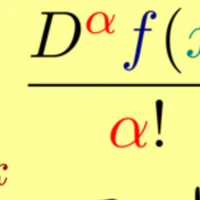
Masked Spatio-Temporal Structure Prediction for Self-supervised Learning on Point Cloud Videos
Recently, the community has made tremendous progress in developing effective methods for point cloud video understanding that learn from massive amounts of labeled data. However, annotating point cloud videos is usually notoriously expensive. Moreover, training via one or only a few traditional tasks (e.g., classification) may be insufficient to learn subtle details of the spatio-temporal structure existing in point cloud videos. In this paper, we propose a Masked Spatio-Temporal Structure Prediction (MaST-Pre) method to capture the structure of point cloud videos without human annotations. MaST-Pre is based on spatio-temporal point-tube masking and consists of two self-supervised learning tasks. First, by reconstructing masked point tubes, our method is able to capture the appearance information of point cloud videos. Second, to learn motion, we propose a temporal cardinality difference prediction task that estimates the change in the number of points within a point tube. In this way, MaST-Pre is forced to model the spatial and temporal structure in point cloud videos. Extensive experiments on MSRAction-3D, NTU-RGBD, NvGesture, and SHREC'17 demonstrate the effectiveness of the proposed method.
ResFields: Residual Neural Fields for Spatiotemporal Signals
Neural fields, a category of neural networks trained to represent high-frequency signals, have gained significant attention in recent years due to their impressive performance in modeling complex 3D data, especially large neural signed distance (SDFs) or radiance fields (NeRFs) via a single multi-layer perceptron (MLP). However, despite the power and simplicity of representing signals with an MLP, these methods still face challenges when modeling large and complex temporal signals due to the limited capacity of MLPs. In this paper, we propose an effective approach to address this limitation by incorporating temporal residual layers into neural fields, dubbed ResFields, a novel class of networks specifically designed to effectively represent complex temporal signals. We conduct a comprehensive analysis of the properties of ResFields and propose a matrix factorization technique to reduce the number of trainable parameters and enhance generalization capabilities. Importantly, our formulation seamlessly integrates with existing techniques and consistently improves results across various challenging tasks: 2D video approximation, dynamic shape modeling via temporal SDFs, and dynamic NeRF reconstruction. Lastly, we demonstrate the practical utility of ResFields by showcasing its effectiveness in capturing dynamic 3D scenes from sparse sensory inputs of a lightweight capture system.


VideoScene: Distilling Video Diffusion Model to Generate 3D Scenes in One Step
Recovering 3D scenes from sparse views is a challenging task due to its inherent ill-posed problem. Conventional methods have developed specialized solutions (e.g., geometry regularization or feed-forward deterministic model) to mitigate the issue. However, they still suffer from performance degradation by minimal overlap across input views with insufficient visual information. Fortunately, recent video generative models show promise in addressing this challenge as they are capable of generating video clips with plausible 3D structures. Powered by large pretrained video diffusion models, some pioneering research start to explore the potential of video generative prior and create 3D scenes from sparse views. Despite impressive improvements, they are limited by slow inference time and the lack of 3D constraint, leading to inefficiencies and reconstruction artifacts that do not align with real-world geometry structure. In this paper, we propose VideoScene to distill the video diffusion model to generate 3D scenes in one step, aiming to build an efficient and effective tool to bridge the gap from video to 3D. Specifically, we design a 3D-aware leap flow distillation strategy to leap over time-consuming redundant information and train a dynamic denoising policy network to adaptively determine the optimal leap timestep during inference. Extensive experiments demonstrate that our VideoScene achieves faster and superior 3D scene generation results than previous video diffusion models, highlighting its potential as an efficient tool for future video to 3D applications. Project Page: https://hanyang-21.github.io/VideoScene


LSTP: Language-guided Spatial-Temporal Prompt Learning for Long-form Video-Text Understanding
Despite progress in video-language modeling, the computational challenge of interpreting long-form videos in response to task-specific linguistic queries persists, largely due to the complexity of high-dimensional video data and the misalignment between language and visual cues over space and time. To tackle this issue, we introduce a novel approach called Language-guided Spatial-Temporal Prompt Learning (LSTP). This approach features two key components: a Temporal Prompt Sampler (TPS) with optical flow prior that leverages temporal information to efficiently extract relevant video content, and a Spatial Prompt Solver (SPS) that adeptly captures the intricate spatial relationships between visual and textual elements. By harmonizing TPS and SPS with a cohesive training strategy, our framework significantly enhances computational efficiency, temporal understanding, and spatial-temporal alignment. Empirical evaluations across two challenging tasks--video question answering and temporal question grounding in videos--using a variety of video-language pretrainings (VLPs) and large language models (LLMs) demonstrate the superior performance, speed, and versatility of our proposed LSTP paradigm.


VideoFactory: Swap Attention in Spatiotemporal Diffusions for Text-to-Video Generation
We present VideoFactory, an innovative framework for generating high-quality open-domain videos. VideoFactory excels in producing high-definition (1376x768), widescreen (16:9) videos without watermarks, creating an engaging user experience. Generating videos guided by text instructions poses significant challenges, such as modeling the complex relationship between space and time, and the lack of large-scale text-video paired data. Previous approaches extend pretrained text-to-image generation models by adding temporal 1D convolution/attention modules for video generation. However, these approaches overlook the importance of jointly modeling space and time, inevitably leading to temporal distortions and misalignment between texts and videos. In this paper, we propose a novel approach that strengthens the interaction between spatial and temporal perceptions. In particular, we utilize a swapped cross-attention mechanism in 3D windows that alternates the "query" role between spatial and temporal blocks, enabling mutual reinforcement for each other. To fully unlock model capabilities for high-quality video generation, we curate a large-scale video dataset called HD-VG-130M. This dataset comprises 130 million text-video pairs from the open-domain, ensuring high-definition, widescreen and watermark-free characters. Objective metrics and user studies demonstrate the superiority of our approach in terms of per-frame quality, temporal correlation, and text-video alignment, with clear margins.



EvEnhancer: Empowering Effectiveness, Efficiency and Generalizability for Continuous Space-Time Video Super-Resolution with Events
Continuous space-time video super-resolution (C-STVSR) endeavors to upscale videos simultaneously at arbitrary spatial and temporal scales, which has recently garnered increasing interest. However, prevailing methods struggle to yield satisfactory videos at out-of-distribution spatial and temporal scales. On the other hand, event streams characterized by high temporal resolution and high dynamic range, exhibit compelling promise in vision tasks. This paper presents EvEnhancer, an innovative approach that marries the unique advantages of event streams to elevate effectiveness, efficiency, and generalizability for C-STVSR. Our approach hinges on two pivotal components: 1) Event-adapted synthesis capitalizes on the spatiotemporal correlations between frames and events to discern and learn long-term motion trajectories, enabling the adaptive interpolation and fusion of informative spatiotemporal features; 2) Local implicit video transformer integrates local implicit video neural function with cross-scale spatiotemporal attention to learn continuous video representations utilized to generate plausible videos at arbitrary resolutions and frame rates. Experiments show that EvEnhancer achieves superiority on synthetic and real-world datasets and preferable generalizability on out-of-distribution scales against state-of-the-art methods. Code is available at https://github.com/W-Shuoyan/EvEnhancer.
DiTVR: Zero-Shot Diffusion Transformer for Video Restoration
Video restoration aims to reconstruct high quality video sequences from low quality inputs, addressing tasks such as super resolution, denoising, and deblurring. Traditional regression based methods often produce unrealistic details and require extensive paired datasets, while recent generative diffusion models face challenges in ensuring temporal consistency. We introduce DiTVR, a zero shot video restoration framework that couples a diffusion transformer with trajectory aware attention and a wavelet guided, flow consistent sampler. Unlike prior 3D convolutional or frame wise diffusion approaches, our attention mechanism aligns tokens along optical flow trajectories, with particular emphasis on vital layers that exhibit the highest sensitivity to temporal dynamics. A spatiotemporal neighbour cache dynamically selects relevant tokens based on motion correspondences across frames. The flow guided sampler injects data consistency only into low-frequency bands, preserving high frequency priors while accelerating convergence. DiTVR establishes a new zero shot state of the art on video restoration benchmarks, demonstrating superior temporal consistency and detail preservation while remaining robust to flow noise and occlusions.
DiffPose: SpatioTemporal Diffusion Model for Video-Based Human Pose Estimation
Denoising diffusion probabilistic models that were initially proposed for realistic image generation have recently shown success in various perception tasks (e.g., object detection and image segmentation) and are increasingly gaining attention in computer vision. However, extending such models to multi-frame human pose estimation is non-trivial due to the presence of the additional temporal dimension in videos. More importantly, learning representations that focus on keypoint regions is crucial for accurate localization of human joints. Nevertheless, the adaptation of the diffusion-based methods remains unclear on how to achieve such objective. In this paper, we present DiffPose, a novel diffusion architecture that formulates video-based human pose estimation as a conditional heatmap generation problem. First, to better leverage temporal information, we propose SpatioTemporal Representation Learner which aggregates visual evidences across frames and uses the resulting features in each denoising step as a condition. In addition, we present a mechanism called Lookup-based MultiScale Feature Interaction that determines the correlations between local joints and global contexts across multiple scales. This mechanism generates delicate representations that focus on keypoint regions. Altogether, by extending diffusion models, we show two unique characteristics from DiffPose on pose estimation task: (i) the ability to combine multiple sets of pose estimates to improve prediction accuracy, particularly for challenging joints, and (ii) the ability to adjust the number of iterative steps for feature refinement without retraining the model. DiffPose sets new state-of-the-art results on three benchmarks: PoseTrack2017, PoseTrack2018, and PoseTrack21.
Disentangling Spatial and Temporal Learning for Efficient Image-to-Video Transfer Learning
Recently, large-scale pre-trained language-image models like CLIP have shown extraordinary capabilities for understanding spatial contents, but naively transferring such models to video recognition still suffers from unsatisfactory temporal modeling capabilities. Existing methods insert tunable structures into or in parallel with the pre-trained model, which either requires back-propagation through the whole pre-trained model and is thus resource-demanding, or is limited by the temporal reasoning capability of the pre-trained structure. In this work, we present DiST, which disentangles the learning of spatial and temporal aspects of videos. Specifically, DiST uses a dual-encoder structure, where a pre-trained foundation model acts as the spatial encoder, and a lightweight network is introduced as the temporal encoder. An integration branch is inserted between the encoders to fuse spatio-temporal information. The disentangled spatial and temporal learning in DiST is highly efficient because it avoids the back-propagation of massive pre-trained parameters. Meanwhile, we empirically show that disentangled learning with an extra network for integration benefits both spatial and temporal understanding. Extensive experiments on five benchmarks show that DiST delivers better performance than existing state-of-the-art methods by convincing gaps. When pre-training on the large-scale Kinetics-710, we achieve 89.7% on Kinetics-400 with a frozen ViT-L model, which verifies the scalability of DiST. Codes and models can be found in https://github.com/alibaba-mmai-research/DiST.

LiftRefine: Progressively Refined View Synthesis from 3D Lifting with Volume-Triplane Representations
We propose a new view synthesis method via synthesizing a 3D neural field from both single or few-view input images. To address the ill-posed nature of the image-to-3D generation problem, we devise a two-stage method that involves a reconstruction model and a diffusion model for view synthesis. Our reconstruction model first lifts one or more input images to the 3D space from a volume as the coarse-scale 3D representation followed by a tri-plane as the fine-scale 3D representation. To mitigate the ambiguity in occluded regions, our diffusion model then hallucinates missing details in the rendered images from tri-planes. We then introduce a new progressive refinement technique that iteratively applies the reconstruction and diffusion model to gradually synthesize novel views, boosting the overall quality of the 3D representations and their rendering. Empirical evaluation demonstrates the superiority of our method over state-of-the-art methods on the synthetic SRN-Car dataset, the in-the-wild CO3D dataset, and large-scale Objaverse dataset while achieving both sampling efficacy and multi-view consistency.
StarPose: 3D Human Pose Estimation via Spatial-Temporal Autoregressive Diffusion
Monocular 3D human pose estimation remains a challenging task due to inherent depth ambiguities and occlusions. Compared to traditional methods based on Transformers or Convolutional Neural Networks (CNNs), recent diffusion-based approaches have shown superior performance, leveraging their probabilistic nature and high-fidelity generation capabilities. However, these methods often fail to account for the spatial and temporal correlations across predicted frames, resulting in limited temporal consistency and inferior accuracy in predicted 3D pose sequences. To address these shortcomings, this paper proposes StarPose, an autoregressive diffusion framework that effectively incorporates historical 3D pose predictions and spatial-temporal physical guidance to significantly enhance both the accuracy and temporal coherence of pose predictions. Unlike existing approaches, StarPose models the 2D-to-3D pose mapping as an autoregressive diffusion process. By synergically integrating previously predicted 3D poses with 2D pose inputs via a Historical Pose Integration Module (HPIM), the framework generates rich and informative historical pose embeddings that guide subsequent denoising steps, ensuring temporally consistent predictions. In addition, a fully plug-and-play Spatial-Temporal Physical Guidance (STPG) mechanism is tailored to refine the denoising process in an iterative manner, which further enforces spatial anatomical plausibility and temporal motion dynamics, rendering robust and realistic pose estimates. Extensive experiments on benchmark datasets demonstrate that StarPose outperforms state-of-the-art methods, achieving superior accuracy and temporal consistency in 3D human pose estimation. Code is available at https://github.com/wileychan/StarPose.
LMM-VQA: Advancing Video Quality Assessment with Large Multimodal Models
The explosive growth of videos on streaming media platforms has underscored the urgent need for effective video quality assessment (VQA) algorithms to monitor and perceptually optimize the quality of streaming videos. However, VQA remains an extremely challenging task due to the diverse video content and the complex spatial and temporal distortions, thus necessitating more advanced methods to address these issues. Nowadays, large multimodal models (LMMs), such as GPT-4V, have exhibited strong capabilities for various visual understanding tasks, motivating us to leverage the powerful multimodal representation ability of LMMs to solve the VQA task. Therefore, we propose the first Large Multi-Modal Video Quality Assessment (LMM-VQA) model, which introduces a novel spatiotemporal visual modeling strategy for quality-aware feature extraction. Specifically, we first reformulate the quality regression problem into a question and answering (Q&A) task and construct Q&A prompts for VQA instruction tuning. Then, we design a spatiotemporal vision encoder to extract spatial and temporal features to represent the quality characteristics of videos, which are subsequently mapped into the language space by the spatiotemporal projector for modality alignment. Finally, the aligned visual tokens and the quality-inquired text tokens are aggregated as inputs for the large language model (LLM) to generate the quality score and level. Extensive experiments demonstrate that LMM-VQA achieves state-of-the-art performance across five VQA benchmarks, exhibiting an average improvement of 5% in generalization ability over existing methods. Furthermore, due to the advanced design of the spatiotemporal encoder and projector, LMM-VQA also performs exceptionally well on general video understanding tasks, further validating its effectiveness. Our code will be released at https://github.com/Sueqk/LMM-VQA.

VMem: Consistent Interactive Video Scene Generation with Surfel-Indexed View Memory
We propose a novel memory mechanism to build video generators that can explore environments interactively. Similar results have previously been achieved by out-painting 2D views of the scene while incrementally reconstructing its 3D geometry, which quickly accumulates errors, or by video generators with a short context window, which struggle to maintain scene coherence over the long term. To address these limitations, we introduce Surfel-Indexed View Memory (VMem), a mechanism that remembers past views by indexing them geometrically based on the 3D surface elements (surfels) they have observed. VMem enables the efficient retrieval of the most relevant past views when generating new ones. By focusing only on these relevant views, our method produces consistent explorations of imagined environments at a fraction of the computational cost of using all past views as context. We evaluate our approach on challenging long-term scene synthesis benchmarks and demonstrate superior performance compared to existing methods in maintaining scene coherence and camera control.




LIM: Large Interpolator Model for Dynamic Reconstruction
Reconstructing dynamic assets from video data is central to many in computer vision and graphics tasks. Existing 4D reconstruction approaches are limited by category-specific models or slow optimization-based methods. Inspired by the recent Large Reconstruction Model (LRM), we present the Large Interpolation Model (LIM), a transformer-based feed-forward solution, guided by a novel causal consistency loss, for interpolating implicit 3D representations across time. Given implicit 3D representations at times t_0 and t_1, LIM produces a deformed shape at any continuous time tin[t_0,t_1], delivering high-quality interpolated frames in seconds. Furthermore, LIM allows explicit mesh tracking across time, producing a consistently uv-textured mesh sequence ready for integration into existing production pipelines. We also use LIM, in conjunction with a diffusion-based multiview generator, to produce dynamic 4D reconstructions from monocular videos. We evaluate LIM on various dynamic datasets, benchmarking against image-space interpolation methods (e.g., FiLM) and direct triplane linear interpolation, and demonstrate clear advantages. In summary, LIM is the first feed-forward model capable of high-speed tracked 4D asset reconstruction across diverse categories.

TiP4GEN: Text to Immersive Panorama 4D Scene Generation
With the rapid advancement and widespread adoption of VR/AR technologies, there is a growing demand for the creation of high-quality, immersive dynamic scenes. However, existing generation works predominantly concentrate on the creation of static scenes or narrow perspective-view dynamic scenes, falling short of delivering a truly 360-degree immersive experience from any viewpoint. In this paper, we introduce TiP4GEN, an advanced text-to-dynamic panorama scene generation framework that enables fine-grained content control and synthesizes motion-rich, geometry-consistent panoramic 4D scenes. TiP4GEN integrates panorama video generation and dynamic scene reconstruction to create 360-degree immersive virtual environments. For video generation, we introduce a Dual-branch Generation Model consisting of a panorama branch and a perspective branch, responsible for global and local view generation, respectively. A bidirectional cross-attention mechanism facilitates comprehensive information exchange between the branches. For scene reconstruction, we propose a Geometry-aligned Reconstruction Model based on 3D Gaussian Splatting. By aligning spatial-temporal point clouds using metric depth maps and initializing scene cameras with estimated poses, our method ensures geometric consistency and temporal coherence for the reconstructed scenes. Extensive experiments demonstrate the effectiveness of our proposed designs and the superiority of TiP4GEN in generating visually compelling and motion-coherent dynamic panoramic scenes. Our project page is at https://ke-xing.github.io/TiP4GEN/.
Review of Feed-forward 3D Reconstruction: From DUSt3R to VGGT
3D reconstruction, which aims to recover the dense three-dimensional structure of a scene, is a cornerstone technology for numerous applications, including augmented/virtual reality, autonomous driving, and robotics. While traditional pipelines like Structure from Motion (SfM) and Multi-View Stereo (MVS) achieve high precision through iterative optimization, they are limited by complex workflows, high computational cost, and poor robustness in challenging scenarios like texture-less regions. Recently, deep learning has catalyzed a paradigm shift in 3D reconstruction. A new family of models, exemplified by DUSt3R, has pioneered a feed-forward approach. These models employ a unified deep network to jointly infer camera poses and dense geometry directly from an Unconstrained set of images in a single forward pass. This survey provides a systematic review of this emerging domain. We begin by dissecting the technical framework of these feed-forward models, including their Transformer-based correspondence modeling, joint pose and geometry regression mechanisms, and strategies for scaling from two-view to multi-view scenarios. To highlight the disruptive nature of this new paradigm, we contrast it with both traditional pipelines and earlier learning-based methods like MVSNet. Furthermore, we provide an overview of relevant datasets and evaluation metrics. Finally, we discuss the technology's broad application prospects and identify key future challenges and opportunities, such as model accuracy and scalability, and handling dynamic scenes.