

🎨 AniSee
Personal Anime Model built on Anima
Two Generations • Clean Anime Aesthetics • Tag + Natural Language • Anima-Compatible
Diffusion Models • 1 MP Native • LoRA-friendly





⬇️ Which file do I download?
| Checkpoint | Built on | Steps / CFG | Pick it if |
|---|---|---|---|
AniSee-V2-Turbo.safetensors ⭐ |
anima-turbo-v1.1 | 12 / 1 | You want speed — ~6 s per image. Start here. |
AniSee-V2-Aesthetic.safetensors |
anima-aesthetic-v1.1 | 40 / 4–5 | You want the best look out of the box |
AniSee-V2-Base.safetensors |
anima-base-v1.0 | 40 / 4–5 | You want maximum variety, or you train LoRAs |
anisee.safetensors |
Anima Preview3 Base | 40 / 4.5 | You are already on the classic Preview3 setup |
All four are diffusion model files. The Qwen text encoder and the Qwen-Image VAE are included in this repo — no hunting across repos.
An all-in-one build that packs model, text encoder and VAE into a single checkpoint exists for V1 on CivitAI. A V2 all-in-one is planned.
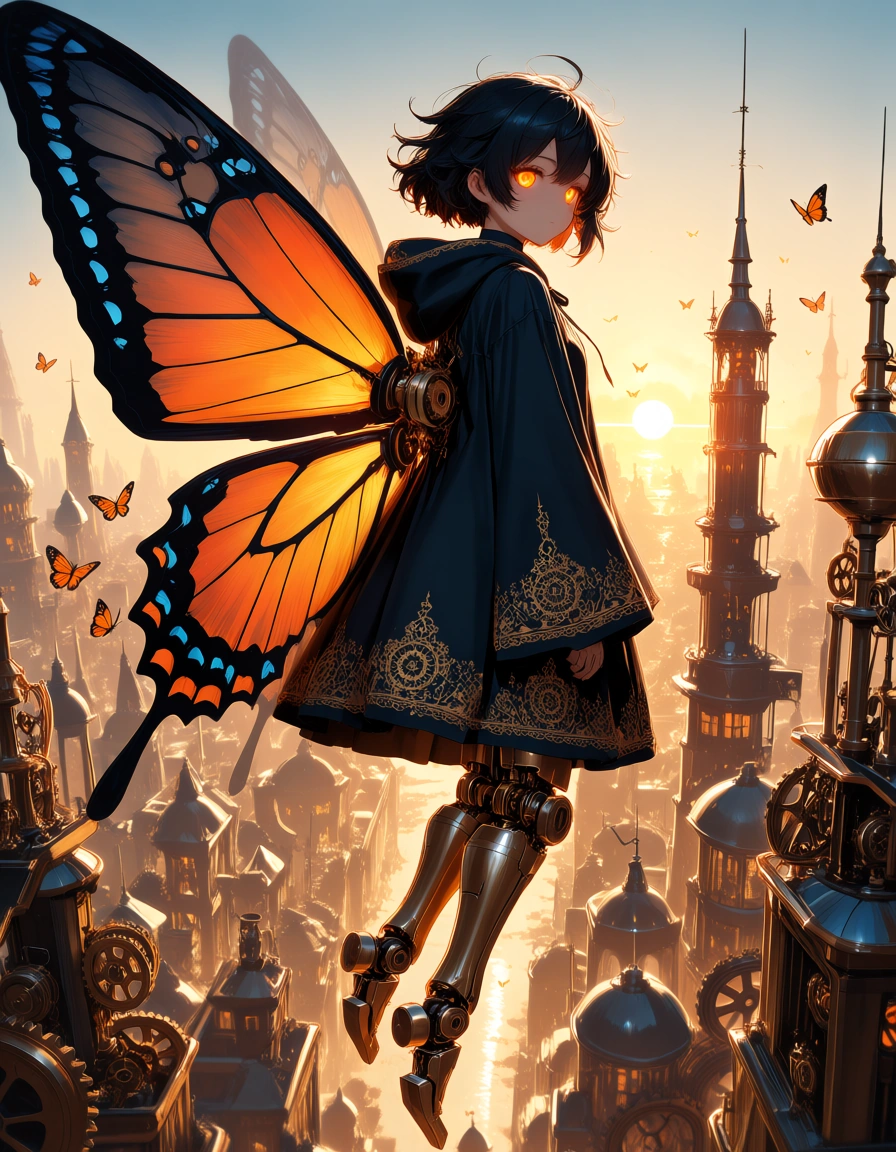
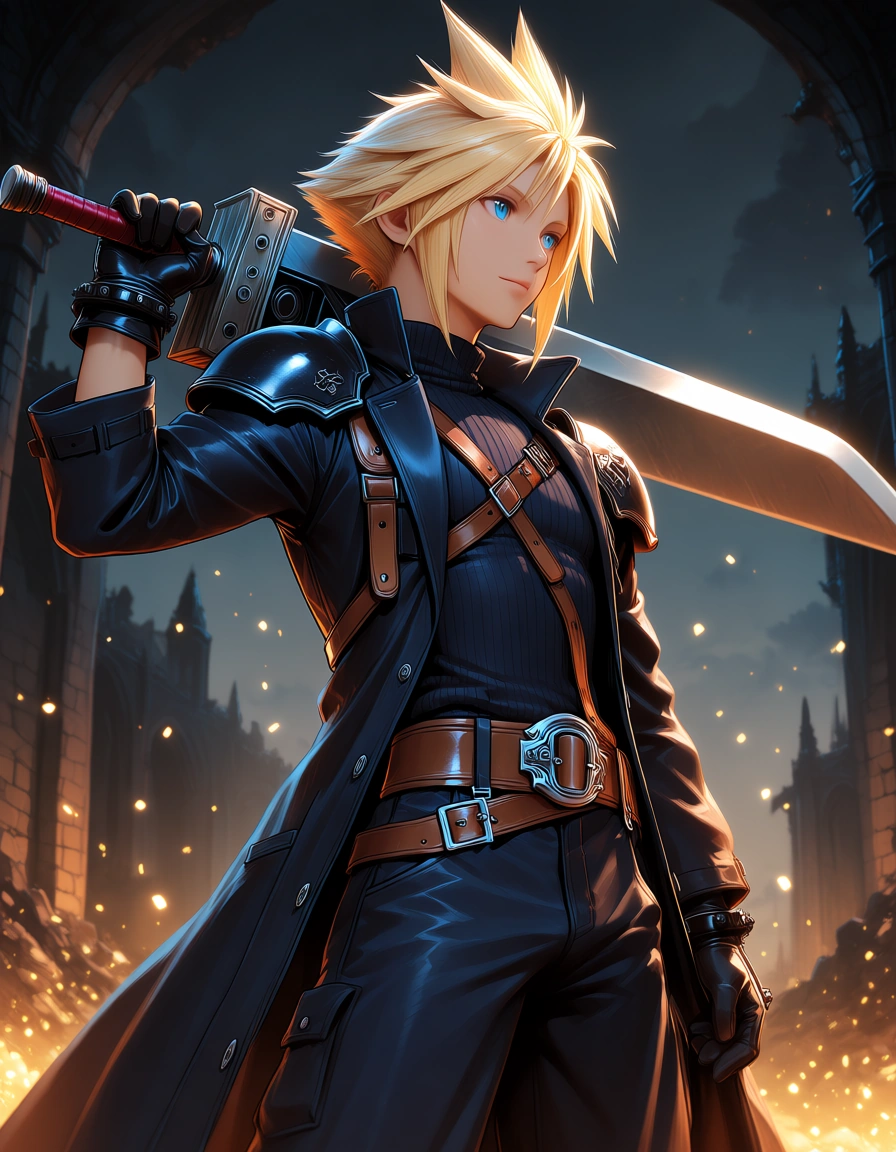
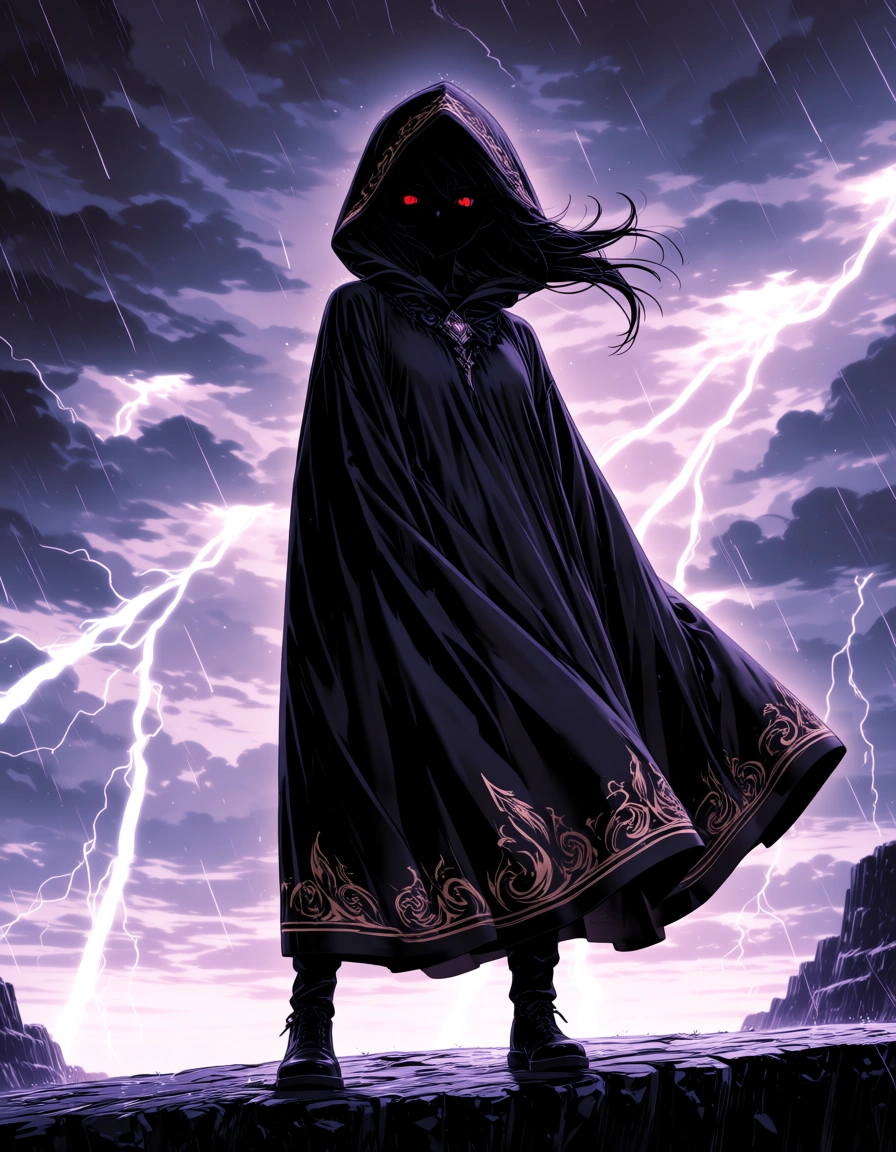
🖼️ Preview Gallery
Browse the full curated set of sample images on the dedicated gallery page:

 |
 |
 |
 |
 |
 |
 |
 |
 |
 |
 |
 |
🔬 V2 Side by Side — Base · Turbo · Aesthetic
Each image below is one prompt rendered by all three V2 variants with the seed locked identical, so the only variable is the checkpoint. Order is Base · Turbo · Aesthetic, left to right.


🖼️ All 10 three-way comparisons — click to expand
|
 |
|
 |
 |
 |
 |
 |
 |
 |
⚡ AniSee-V2-Turbo — 20 samples
 |  |  |  |
 |  |  |  |
 |  |  |  |
 |  |  |  |
 |  |  |  |
🎨 AniSee-V2-Aesthetic — 20 samples
 |  |  |  |
 |  |  |  |
 |  |  |  |
 |  |  |  |
 |  |  |  |
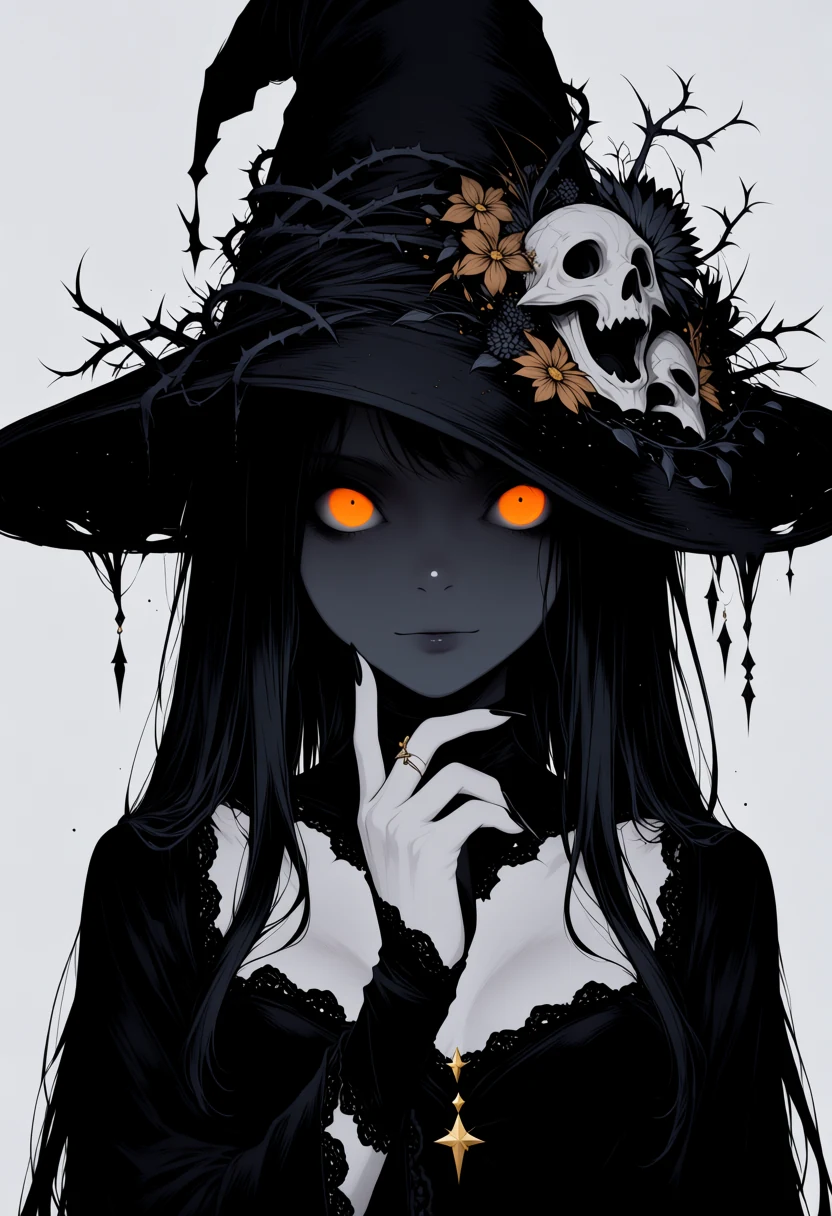
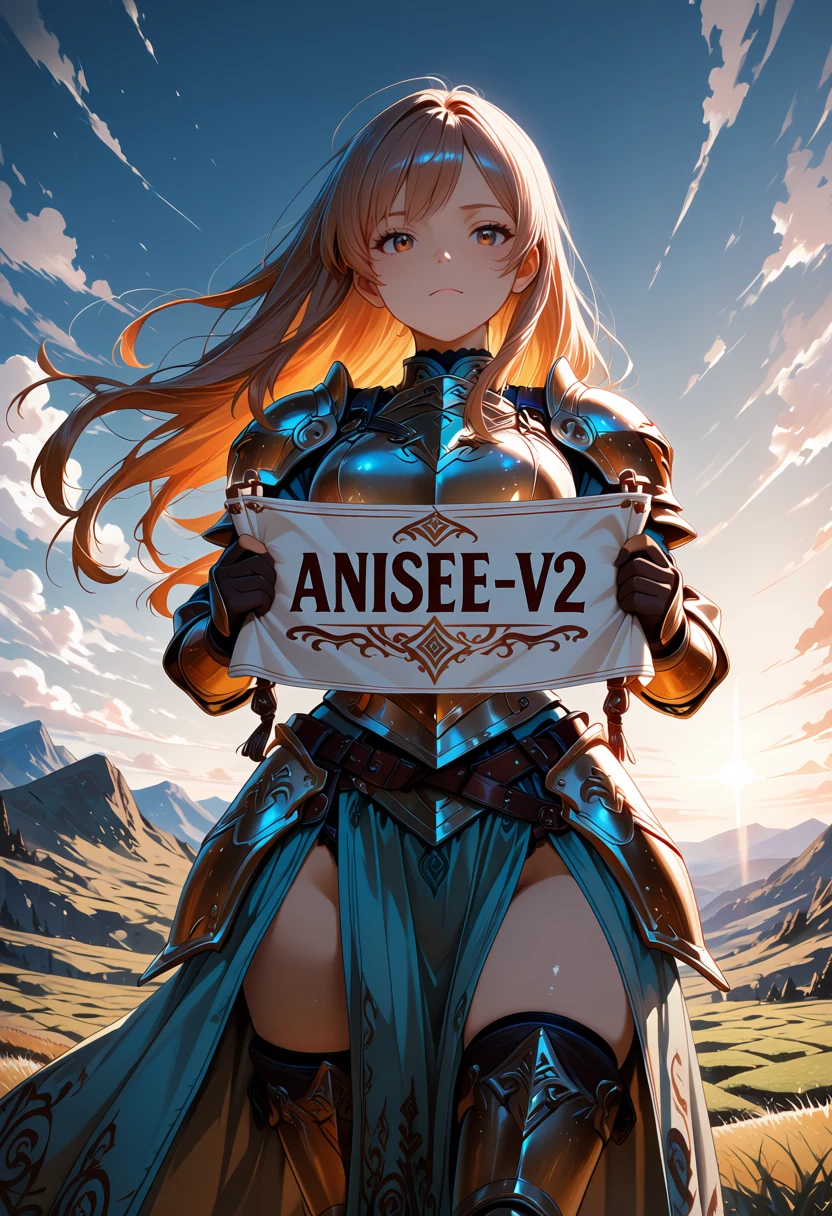
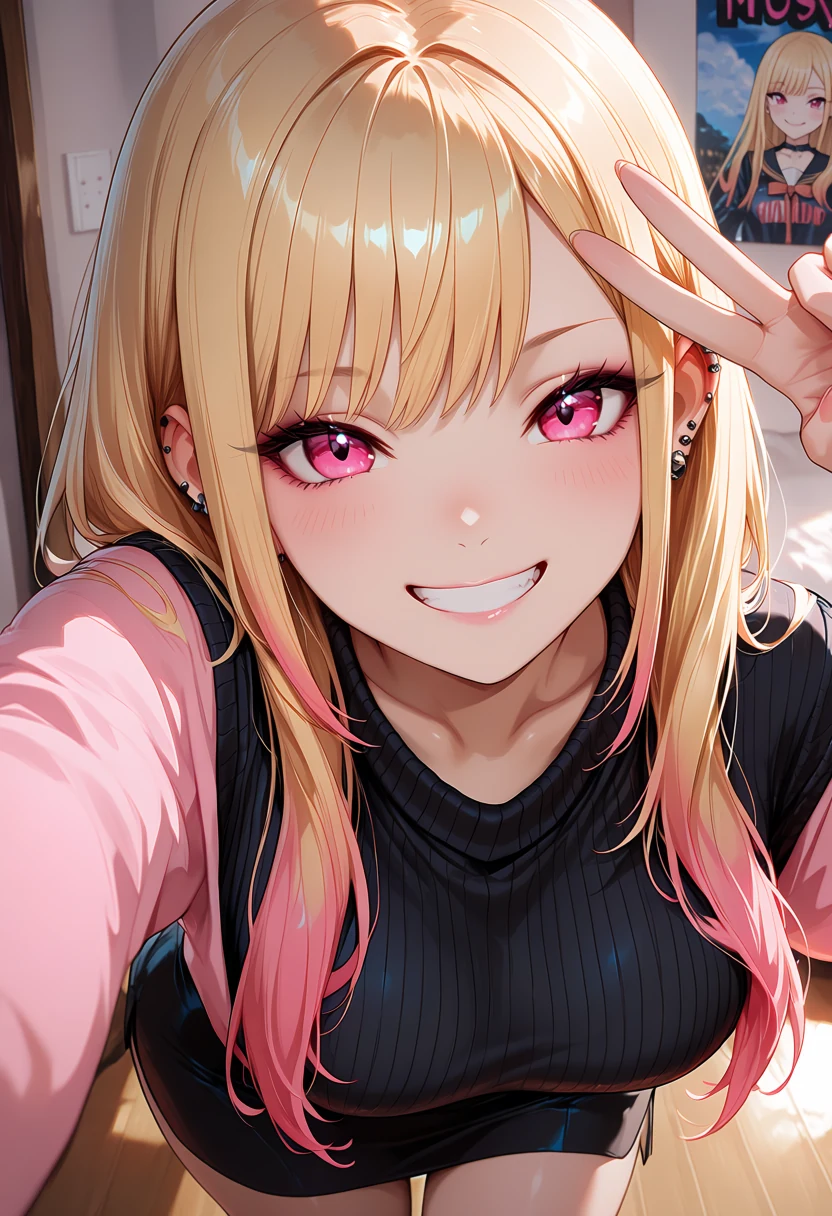
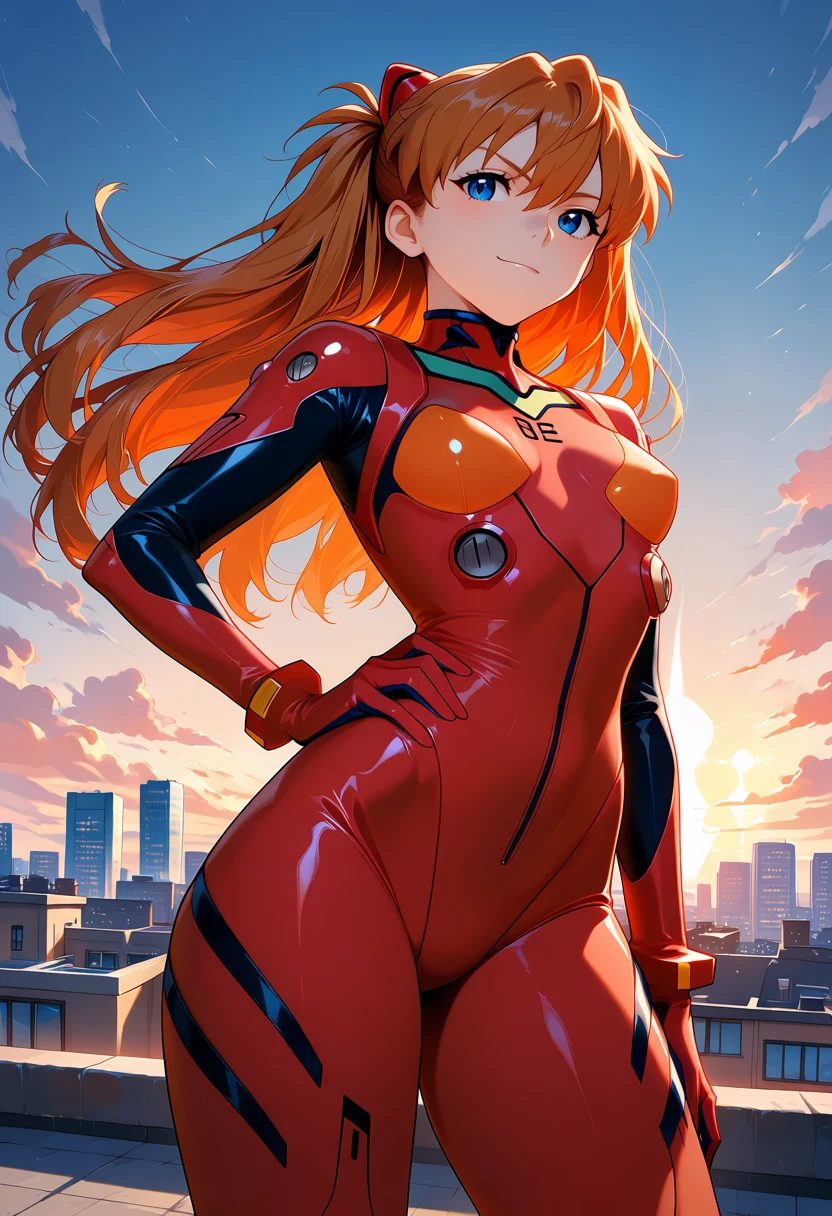
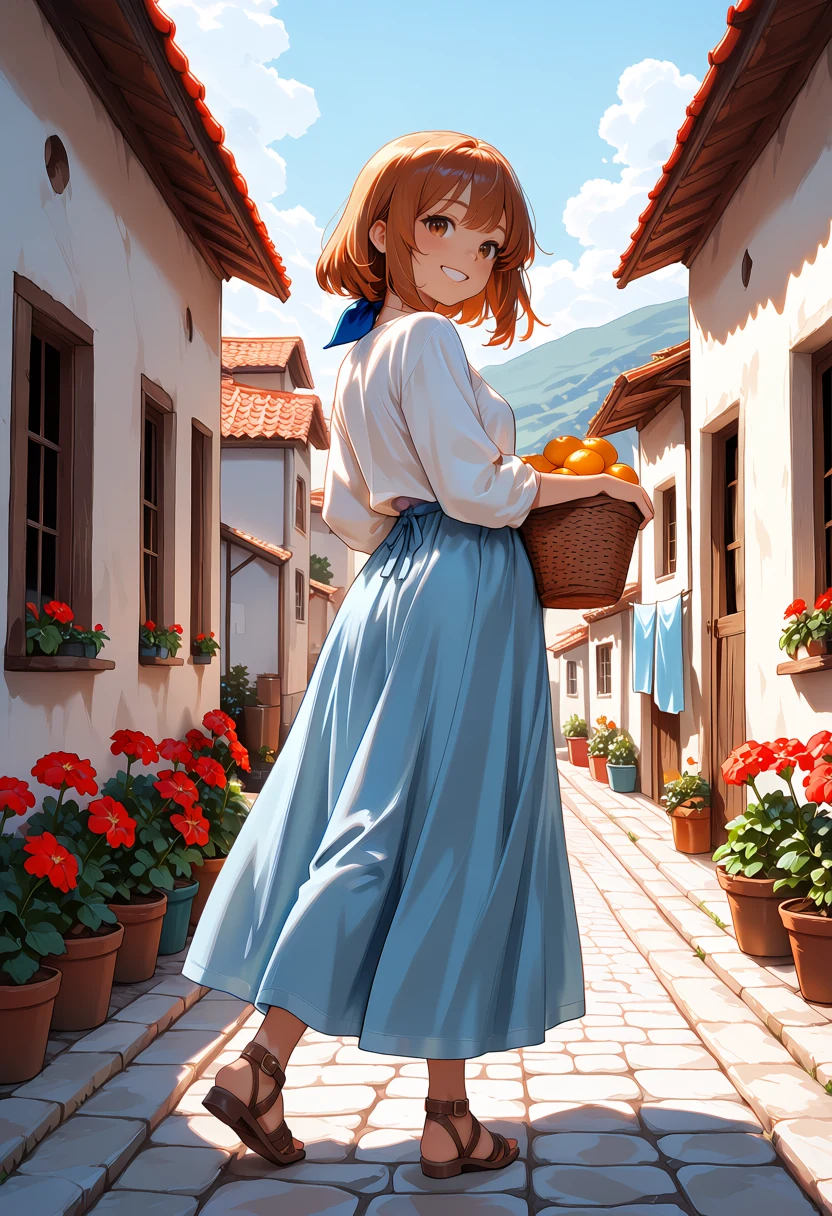
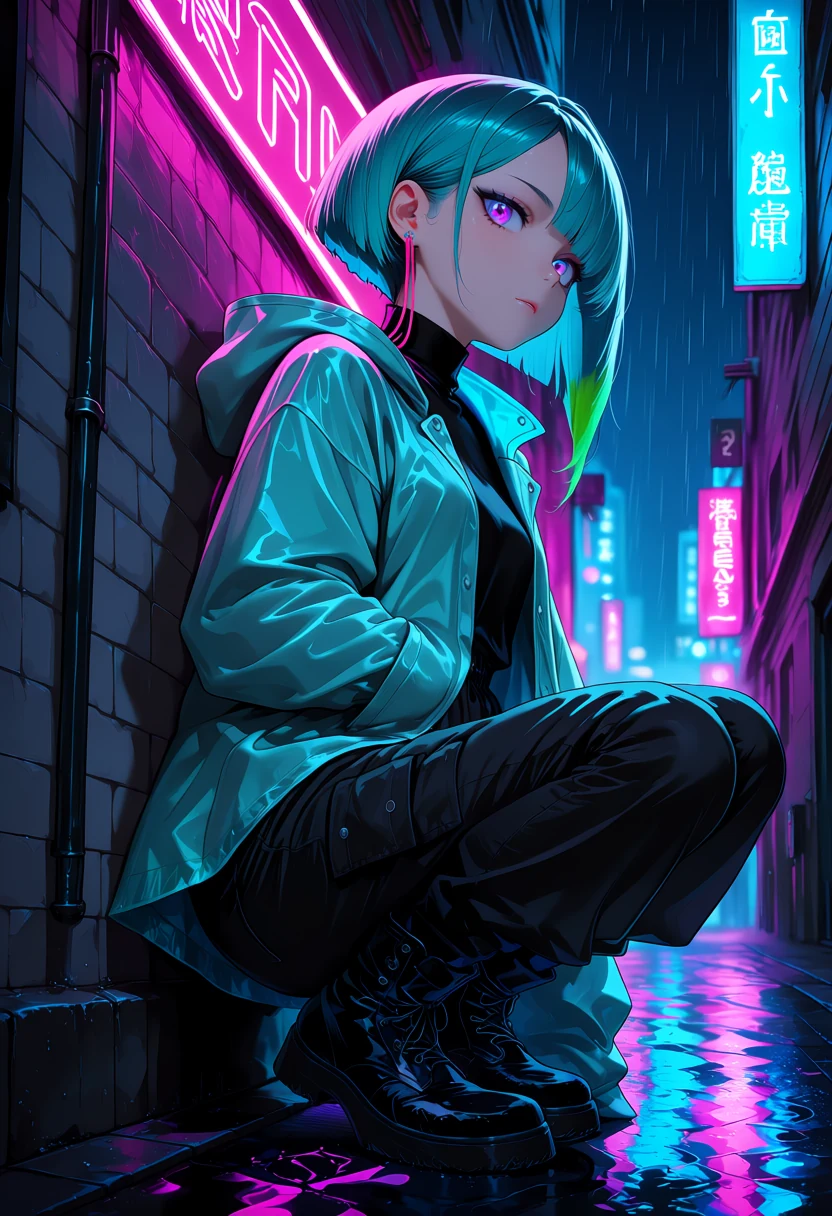
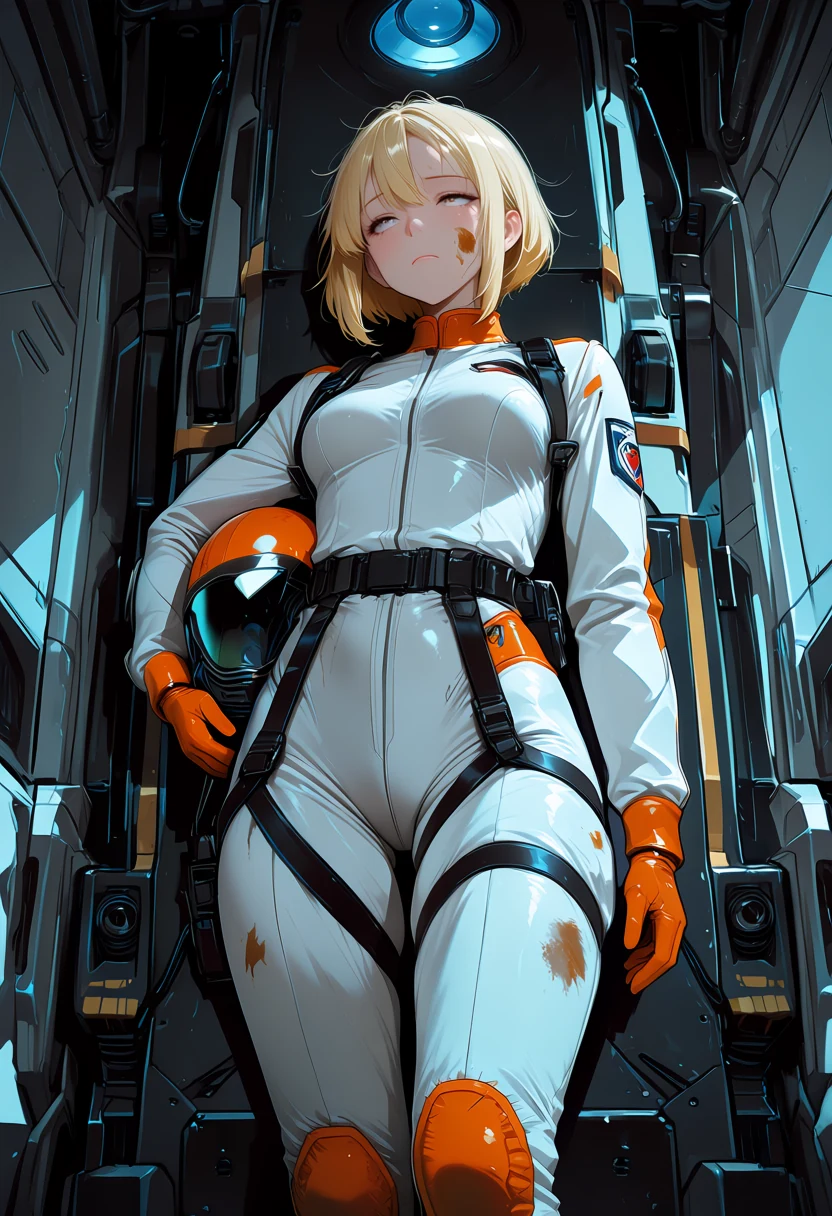
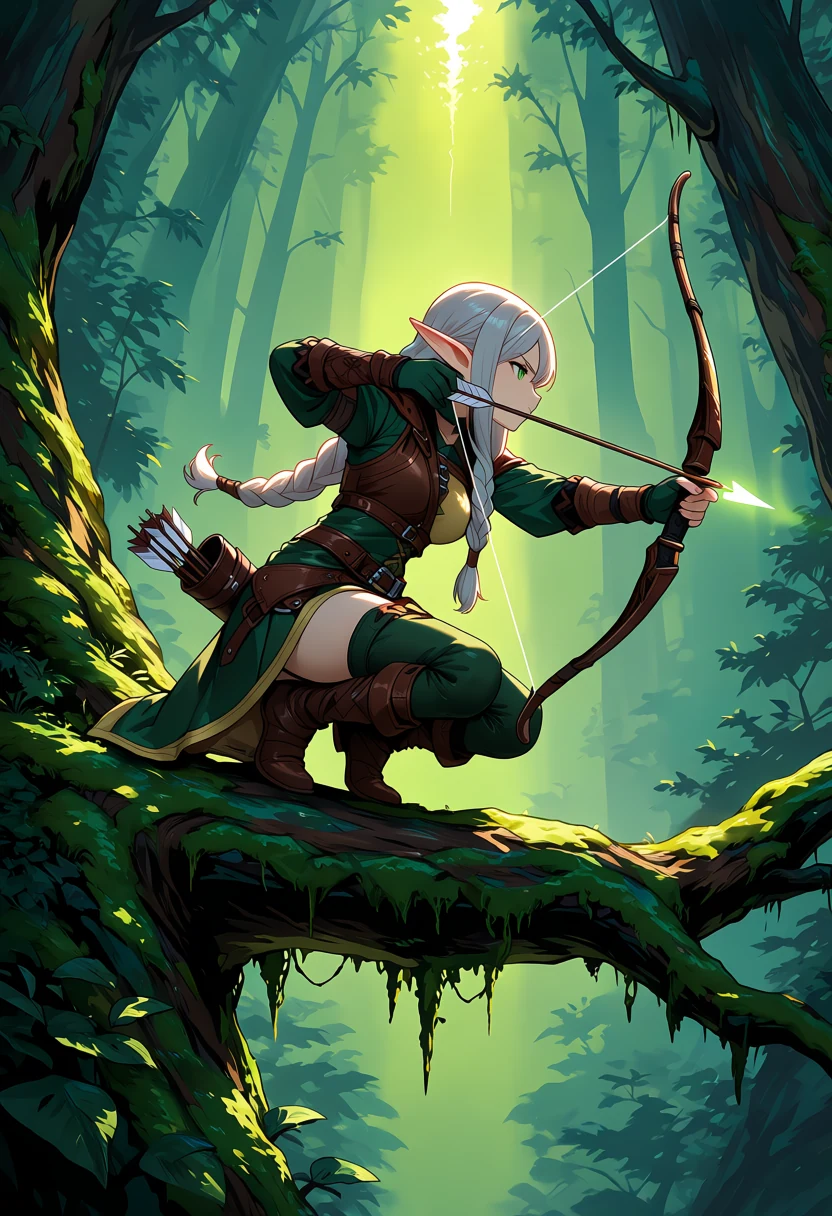
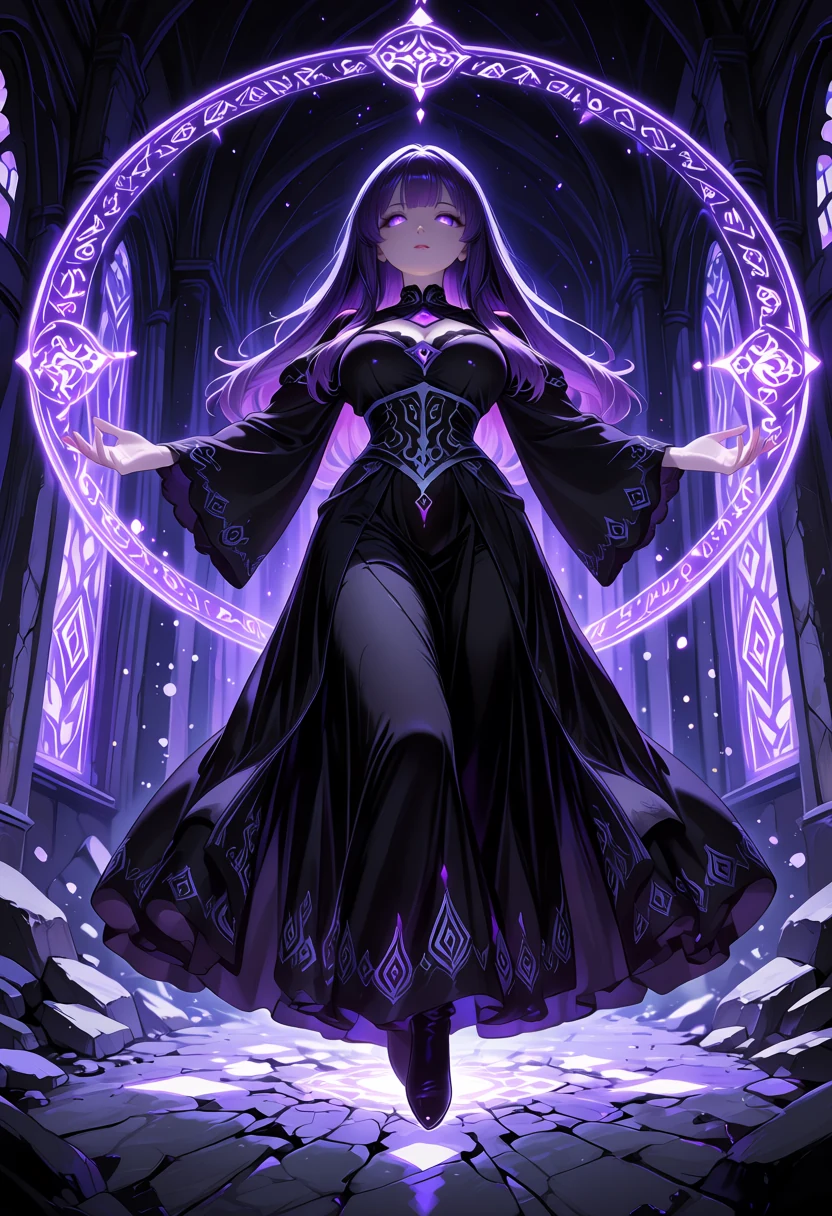
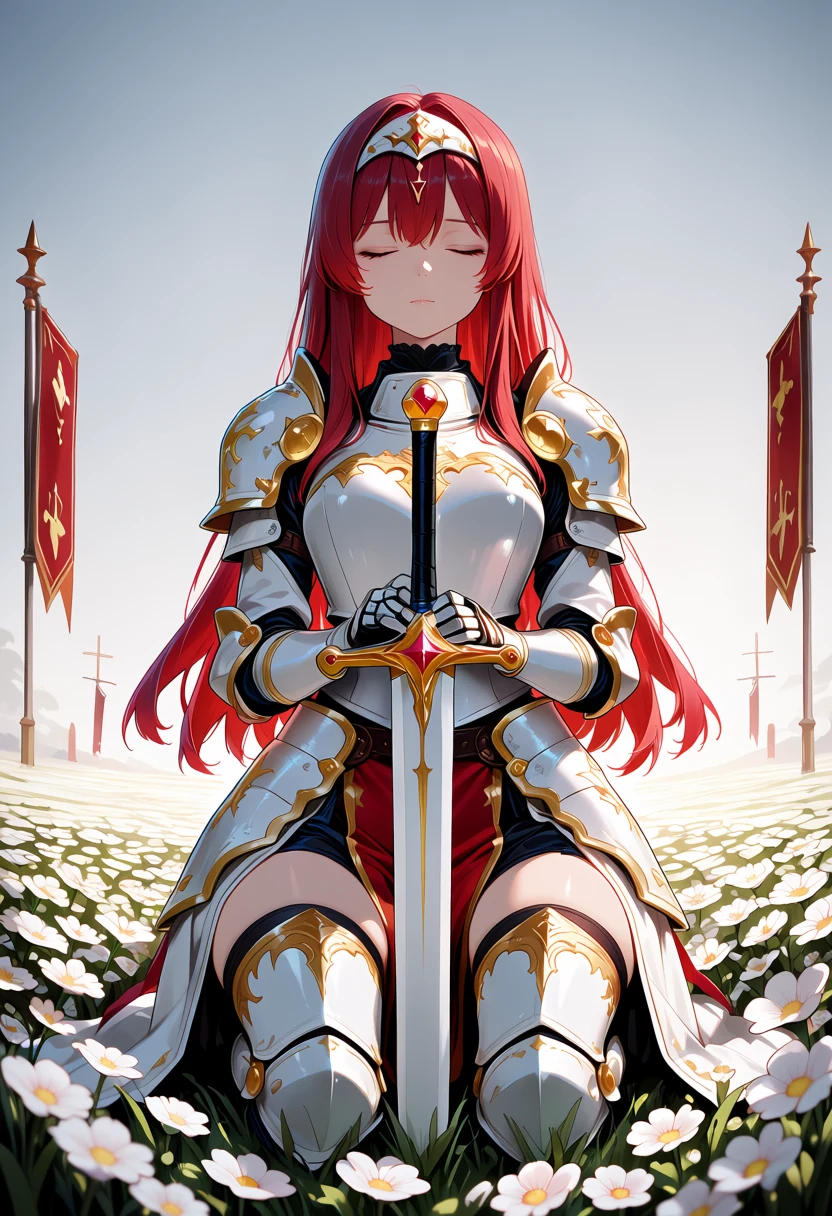
🧪 AniSee-V2-Base — 20 samples
 |  |  |  |
 |  |  |  |
 |  |  |  |
 |  |  |  |
 |  |  |  |
What the ten test prompts showed:
- Turbo diverges the most. On the same seed it lands on a different pose and framing far more often than Base and Aesthetic differ from each other. That is the distillation of the Turbo foundation, not a flaw in the merge — you trade diversity for speed and stability.
- Base and Aesthetic are near-twins in composition. Same seed, almost the same layout. The difference is in the finish: Aesthetic has richer colour and softer light, Base is flatter and more neutral.
- Tag prompts still work. The V2 training data is natural language only, with no Danbooru tags at all — yet the base model's tag understanding survives the merge completely intact.
- Text rendering stays limited. Anima places a single word or short phrase reasonably well; longer lines come out garbled. Inherited from the base model; V2 does not improve it.
✨ What is AniSee?
AniSee is a personal anime model built on Anima by CircleStone Labs, retrained on my own curated dataset to push the model further into a cleaner, more focused anime aesthetic.
It exists in two generations, and both live in this repo:
V1 is a full fine-tune of Anima Preview3 Base — around 20K training steps, with the LLM adapter only very lightly co-trained, following the official Anima fine-tuning guidelines. It is not a LoRA merge.
V2 moves onto the final Anima v1.0 / v1.1 releases and uses a different method. V2 is a
LoKr merge: a LoKr network — linear 64 / alpha 64, conv 16 / alpha 16, full-rank, factor 4 —
was trained for roughly 24,000 steps on anima-base-v1.0, then baked into three different Anima
variants at strength 1.0. That is a lighter touch than a full fine-tune, and it is the honest
description of what those files are. The upside: one training run gives three flavours, each
with genuinely different behaviour.
The goal in both generations is to keep everything that makes Anima a strong illustration base:
- Danbooru-style tags
- Natural language prompts
- Mixed prompts
- Full Qwen text encoder support
- Qwen-Image VAE
- Anima-compatible generation behavior
while shifting the default style toward a stronger, cleaner anime look in line with my other checkpoints.
AniSee is mainly intended for:
- Anime-style illustrations
- Character-focused images
- Cleaner anime aesthetics
- Style experiments
- Testing Anima-based fine-tunes inside ComfyUI
🎯 Key Features
- ✅ Three V2 variants from one training run — Turbo, Aesthetic and Base
- ✅ Turbo runs at 12 steps / CFG 1 — around 6 seconds per image
- ✅ V1 remains available as a full fine-tune of Anima Preview3 Base
- ✅ Clean, focused anime aesthetics
- ✅ Supports Danbooru-style tags, natural language, and mixed prompts
- ✅ Compatible with the standard Anima ComfyUI workflow
- ✅ Uses the existing Qwen text encoder + Qwen-Image VAE — included in the repo
- ✅ LoRA training friendly — same base architecture as Anima
- ✅ Official ComfyUI workflow included, with auto quality prefix and Qwen3-VL prompt enhancer
🗺️ AniSee Roadmap
✅ Released
🎨 AniSee V1
Full fine-tune of Anima Preview3 Base — Diffusion Model variant. The foundation of the AniSee family. An all-in-one build of V1 is available on CivitAI.
🚀 AniSee V2 — Turbo, Aesthetic and Base
LoKr merge onto the final Anima v1.0 / v1.1 releases, in three variants.
🔧 Official AniSee ComfyUI Workflow
A dedicated workflow with the auto-prefix, optional Qwen3-VL prompt enhancer, LoRA support and
Ultimate SD Upscale is included in this repo under
workflows/anisee-workflow-SDUltimate.json.
🔜 Planned
📦 AniSee V2 AIO
All-in-one V2 checkpoint with Diffusion Model + Qwen Text Encoder + Qwen-Image VAE in a single file, so V2 gets the same one-file convenience the V1 AIO already has.
More updates coming as testing progresses! 🎨
⚙️ Recommended Settings
Sampler er_sde with scheduler simple for every variant — neutral style, flat colors, sharp
lines.
| Checkpoint | Steps | CFG | Note |
|---|---|---|---|
| AniSee-V2-Turbo | 12 | 1 | The negative prompt has no effect at CFG 1 |
| AniSee-V2-Aesthetic | 40 | 4–5 | Leave out score_* tags |
| AniSee-V2-Base | 40 | 4–5 | Most neutral, most flexible |
anisee (V1) |
40 | 4.5 | The original recommendation |
# AniSee-V2-Turbo
Steps:       12
CFG:         1
Sampler:     er_sde
Scheduler:   simple
Resolution:  ~1 MP   # e.g. 832×1216, 896×1152, 1024×1024
CFG Guide: 4.0–5.0 is the sweet spot for the 40-step variants. Going above 5.0 starts to risk burning the image, especially with heavy quality tags. If results feel too harsh, drop CFG slightly or reduce quality tag count.
On Aesthetic: per the Anima documentation, skip score_* tags entirely — in both the
positive and the negative prompt. The base is already high quality and score tags push it into
slop territory. masterpiece, best quality is fine to keep.
Sampler alternatives (all work well, just different character):
| Sampler / Scheduler | Character |
|---|---|
er_sde + simple (default) |
Neutral style, flat colors, sharp lines |
euler_a |
Softer, thinner lines, slightly more 2.5D feel, tolerates higher CFG |
dpmpp_2m_sde_gpu |
Similar to er_sde but more "creative", can get wild on short prompts |
euler |
A bit more creative. Good on Turbo and Aesthetic, which are naturally stable |
Feel free to experiment — these are just starting points, not hard rules.
📐 Resolution Guide
| Use Case | Resolution |
|---|---|
| ⭐ Square / General purpose | 1024 × 1024 |
| Portrait / Character art | 896 × 1152 or 832 × 1216 |
| Landscape / Scenes | 1152 × 896 |
| Wider cinematic | 1254 × 836 |
| Widescreen | 1365 × 768 |
Stay around 1 MP for the cleanest results. The Anima base starts breaking down somewhere around 2 MP, so if you want bigger images, generate at 1 MP first and upscale afterwards.
💡 Prompting Guide
AniSee inherits Anima's prompting system. It accepts:
- Danbooru / anime-style tags
- Natural language prompts
- Mixed prompts with tags + sentences
A good prompt structure:
[quality tags] [meta tags] [safety tag] [subject] [character] [appearance]
[pose] [clothing] [background] [lighting] [style]
Important tag rules inherited from Anima
- Use lowercase for tags, spaces instead of underscores
- Score tags are the only tags that use underscores, for example
score_7 - Artist tags must be prefixed with
@, for example@artistname— without it the effect is very weak - Where a tag differs between Danbooru and Gelbooru, prefer the Gelbooru spelling
- Prompt weighting works but needs heavier weights than SDXL, e.g.
(chibi:2)
🔑 V2 Trigger Words
The V2 dataset was captioned in natural language only, so these want to be used inside descriptive sentences rather than dropped in as bare tags:
| Trigger | Concept |
|---|---|
seesee_elf |
White-haired elf |
seesee_kitsune |
Fox woman |
Give them a described setting, two sentences minimum.
✅ Good (mixed prompt)
masterpiece, best quality, score_7, highres, illustration, safe, 1girl,
long silver hair, blue eyes, black hoodie, standing in a rainy city street
at night, neon lights reflecting on wet asphalt, cinematic lighting,
detailed anime illustration
✅ Good (natural language)
masterpiece, best quality, score_7, highres, illustration.
A young anime girl with long silver hair and golden eyes, wearing a
traditional shrine maiden outfit with white haori and red hakama.
She stands in a sunlit bamboo forest, cherry blossoms falling softly
around her. Warm afternoon light filtering through the trees,
detailed fabric shading, calm serene expression.
❌ Avoid
Very short tag dumps like:
anime girl, silver hair, hoodie
The model can produce unexpected results when the prompt is too sparse — it fills the gaps with its own biases, and you may not like what it picks. Aim for at least a few descriptive tags or 2+ sentences.
⭐ Recommended Positive Prefix
Start every prompt with:
masterpiece, best quality, score_7, highres, illustration,
Then add your subject, character, scene, and style tags after that. On AniSee-V2-Aesthetic,
drop the score_7 and use masterpiece, best quality, on its own.
You can also experiment with other quality tag combinations:
masterpiece, best quality, score_7, safe
masterpiece, best quality, score_8, highres, official art
score_9, masterpiece, absurdres, anime screenshot
⭐ Recommended Negative Prompt
This is the negative prompt I run with — it cleans up most common issues without being so aggressive that it kills the style:
worst quality, low quality, score_1, score_2, score_3, artist name,
(lowres:1.2), (worst quality:1.4), (low quality:1.4), (bad anatomy:1.4),
bad hands, multiple views, comic, jpeg artifacts, patreon logo,
patreon username, web address, signature, watermark, artist name,
censored, mosaic censoring
If your images come out too flat or lose style, reduce the weights on the heavier terms, for
example drop (low quality:1.4) back to low quality. On Aesthetic, remove the score_*
terms. On Turbo at CFG 1 the negative prompt is ignored entirely.
🛡️ Safety Tags
Inherited from Anima. Use one of these in the positive prompt:
safe— for normal generations, recommended defaultsensitivensfwexplicit
🔧 Installation
Step 1 — Download the files
You need three files (all included in this repo):
- One checkpoint — e.g.
AniSee-V2-Turbo.safetensors text_encoders/qwen_3_06b_base.safetensors— text encodervae/qwen_image_vae.safetensors— VAE
Step 2 — Place the files
ComfyUI/models/diffusion_models/
└── AniSee-V2-Turbo.safetensors

ComfyUI/models/text_encoders/
└── qwen_3_06b_base.safetensors

ComfyUI/models/vae/
└── qwen_image_vae.safetensors
If you already run Anima, you already have the text encoder and VAE — AniSee is a direct drop-in.
Step 3 — Load in ComfyUI
Use the standard Anima workflow, or the official AniSee workflow from
workflows/anisee-workflow-SDUltimate.json:
- Load Diffusion Model →
AniSee-V2-Turbo.safetensors - Load Text Encoder →
qwen_3_06b_base.safetensors - Load VAE →
qwen_image_vae.safetensors
Then your usual sampler, encode, decode, save chain.
⚠️ These are diffusion model files, so use Load Diffusion Model — not the Checkpoint Loader.
With huggingface_hub
from huggingface_hub import hf_hub_download

model = hf_hub_download("SeeSee21/AniSee", "AniSee-V2-Turbo.safetensors")
te    = hf_hub_download("SeeSee21/AniSee", "text_encoders/qwen_3_06b_base.safetensors")
vae   = hf_hub_download("SeeSee21/AniSee", "vae/qwen_image_vae.safetensors")
🧩 Official Workflow

A ready-to-use ComfyUI workflow is included at workflows/anisee-workflow-SDUltimate.json.
It features:
- 📦 Model + Text Encoder + VAE loaders pre-configured
- 🔗 Auto Quality Prefix — no need to type
masterpiece, best quality, score_7, ...yourself - 🎲 Optional Qwen3-VL Prompt Enhancer — converts short one-liners into full Danbooru tag lists
- 📖 Optional LoRA stack via Lora Manager (one-click toggle)
- 🔼 Optional UltimateSDUpscale 2× with side-by-side compare
- 🎨 Pre-configured with
er_sde/simple/ 40 steps / CFG 4.5 - ➖ Pre-loaded recommended negative prompt
- 📝 Built-in MarkdownNote with all settings + quick reference
Using AniSee-V2-Turbo? Set the sampler to 12 steps / CFG 1 — the workflow ships with the 40-step / CFG 4.5 defaults for the Base and Aesthetic variants.
Required custom nodes (all installable via ComfyUI Manager):
For the optional 2× upscaler, also place 4x-UltraSharp.pth in ComfyUI/models/upscale_models/:
📁 Repository Structure
AniSee/
├── README.md
├── config.json
│
├── AniSee-V2-Turbo.safetensors           # V2, distilled foundation, 12 steps (~3.9 GB)
├── AniSee-V2-Aesthetic.safetensors       # V2, aesthetic foundation, 40 steps (~3.9 GB)
├── AniSee-V2-Base.safetensors            # V2, neutral foundation, 40 steps (~3.9 GB)
├── anisee.safetensors                    # V1, full fine-tune of Preview3 (~3.9 GB)
│
├── text_encoders/
│   └── qwen_3_06b_base.safetensors       # text encoder (same as Anima)
│
├── vae/
│   └── qwen_image_vae.safetensors        # VAE (same as Anima)
│
├── images/
│   ├── cover.png                         # social preview / model cover
│   ├── anisee-workflow-cover.png         # workflow preview image
│   ├── 1.png   2.png   3.png   4.png     # V1 gallery
│   ├── 5.png   6.webp  7.webp  8.png
│   ├── 9.png   10.png  11.webp 12.webp
│   └── v2/
│       ├── comparison/                   # 10 three-way comparisons
│       ├── turbo/                        # 20 samples
│       ├── aesthetic/                    # 20 samples
│       └── base/                         # 20 samples
│
└── workflows/
    └── anisee-workflow-SDUltimate.json
📈 Version History
V2 — LoKr merge onto Anima v1.0 / v1.1
- Three variants released together: Turbo, Aesthetic and Base
- LoKr network — linear 64 / alpha 64, conv 16 / alpha 16, full-rank, factor 4
- ~24K training steps on
anima-base-v1.0, merged at strength 1.0 - Natural-language-only dataset; trigger words
seesee_elfandseesee_kitsune - Moves off Anima Preview3 onto the final Anima v1.0 / v1.1 releases
- Diffusion Model files — text encoder and VAE included in this repo
v1.0 — Initial Release
- AniSee Base — full fine-tune of Anima Preview3 Base
- ~20K training steps on a curated anime dataset
- LLM adapter only very lightly co-trained (following Anima's fine-tuning guidelines)
- Diffusion Model variant (single
.safetensorsfile) - Compatible with the standard Anima ComfyUI workflow
- Drop-in replacement for
anima-preview3-base.safetensors - Includes the official ComfyUI workflow with auto quality prefix + Qwen3-VL prompt enhancer
🔗 Links
- CivitAI Page: civitai.red/models/2628747/anisee
- Example Gallery: anisee.anisee.workers.dev
- Base Model: circlestone-labs/Anima
- Author: SeeSee21 on Hugging Face
🙏 Credits
- Base Model: Anima by CircleStone Labs and Comfy Org — Preview3 Base for V1, v1.0 / v1.1 for V2
- Underlying Architecture: Built on NVIDIA Cosmos-Predict2-2B (Anima is a "Derivative Model")
- Fine-Tune and Merges: SeeSee21
- Workflow Custom Nodes: yolain, ssitu, Will Miao, AILab (1038lab), rgthree
📜 License
AniSee inherits the CircleStone Labs Non-Commercial License from Anima. The model and derivatives are usable only for non-commercial purposes. As a derivative of Cosmos-Predict2-2B-Text2Image, the NVIDIA Open Model License Agreement also applies insofar as it covers Derivative Models.
Generated images are not covered by that restriction — you may use the images you make commercially. Selling images, paid commissions, and concept art or assets for a paid product are all fine. What needs a separate license is hosting the model behind a paid API, embedding the weights in a monetized product, or running it on a paid generation platform.
For commercial licensing of the base model, please contact CircleStone Labs at
tdrussell@circlestone.ai.
❤️ Notes
AniSee is a personal anime-focused model built on Anima, made to bring a stronger anime look and visual direction in line with my other checkpoints.
V1 was a full fine-tune of Preview3. V2 takes a different route — a LoKr merge onto the final Anima releases, which is what makes three variants from one training run possible. Both stay available here, because they behave differently and some people will prefer the older one.
AniSee — clean anime, built on Anima. 🎨
- Downloads last month
- 931
Model tree for SeeSee21/AniSee
Base model
nvidia/Cosmos-Predict2-2B-Text2Image